 Sarasota Siding
 Building a Deck That Actually Holds Up on Siesta Key
Siesta Key sits about as close to the Gulf as a piece of land can get, and that proximity is exactly why decks here fail faster than decks a few miles inland in Sarasota County. Salt-laden air moves through fasteners and connectors year-round, UV exposure is close to constant, and afternoon thunderstorms in summer mean wind-driven rain gets underneath railings, ledger boards, and post bases whether the deck faces the water or not. A deck built to a generic spec — the kind you'd see in a national how-to article — is not built for this barrier island. A deck built for Siesta Key has to be built for salt, sun, and storms from day one.
This page covers what that actually means in practice: material choices that make sense here, the structural details that matter most in a coastal environment, and how we run a deck build from first visit to final walkthrough.
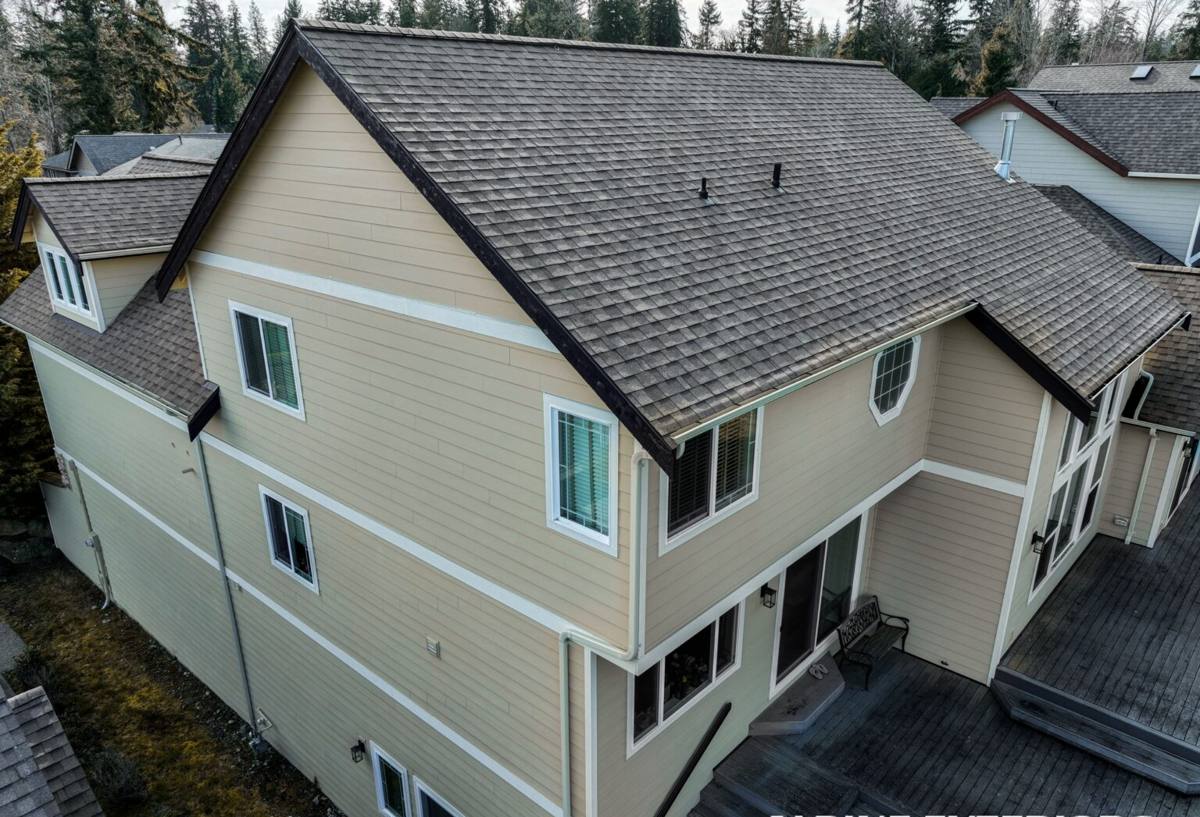
What Siesta Key's Climate Does to a Deck
Salt Air and Metal Fasteners
Salt air is corrosive to standard fasteners, brackets, and hangers. On an island like Siesta Key, that corrosion happens faster than most homeowners expect, especially on decks with any exposure to open air or breeze off the water. Fasteners that would last decades in a landlocked county can start showing rust streaks and weakening within a few years if the wrong grade of hardware went in. This is one of the most common reasons we see older decks with sound-looking boards sitting on compromised connections underneath.
UV Exposure
Sarasota gets strong, near year-round sun, and Siesta Key's open exposure doesn't offer much relief. UV breaks down the surface fibers of wood decking, fades and chalks composite material over time, and dries out sealants and finishes faster than in shaded or northern climates. A deck surface that isn't rated or maintained for this level of sun exposure will show it within one or two seasons.
Wind-Driven Rain and Moisture
Florida's rain doesn't fall straight down — wind pushes it sideways, under railings, into ledger connections, and around post bases. Combined with humidity that keeps wood damp longer between storms, this is where rot, fastener corrosion, and structural softening usually start. It's rarely the top surface that fails first; it's the framing and connections underneath that don't get seen.
Hurricane-Force Wind Loads
Sarasota County sits in a hurricane-prone wind zone, and any structure attached to a home — including a deck — has to be engineered and fastened to handle real wind loads, not just support foot traffic. Ledger attachment, post-to-beam connections, and railing anchoring all matter more here than they would in a low-wind-zone build.
What a Correctly Built Deck Includes
A deck that's going to hold up on Siesta Key isn't just about picking a decking board. It's a system, and every layer of that system needs to be right for a coastal, high-wind, high-UV environment.
- Corrosion-resistant fasteners and structural hardware rated for coastal/salt-air exposure — not standard interior-grade hardware
- Proper ledger board flashing and attachment to prevent water intrusion at the house connection
- Post bases and footings sized and set for local soil conditions and wind uplift requirements
- Joist spacing and beam sizing that meets or exceeds Sarasota County/Florida Building Code requirements for the decking material chosen
- Railing systems anchored to resist wind load, not just meet minimum height
- Proper board spacing and ventilation underneath to let the structure dry out between rain events
- Stair stringers and connections built to the same wind and moisture standard as the rest of the deck
Decking Material Options for Siesta Key
There's no single "best" decking material for every home — it depends on budget, how close to the water the home sits, and how much upkeep the homeowner wants to do. Here's how the common options actually compare in this environment, based on how they behave over time, not marketing claims.
| Material | How It Handles Salt Air & Sun | Maintenance | General Cost Position |
|---|---|---|---|
| Pressure-treated wood | Needs consistent sealing to resist moisture and sun; will gray and check without upkeep | High — annual inspection, periodic sealing/staining | Lowest upfront cost |
| Composite decking | Resists rot and doesn't need sealing; quality varies by product line on fade/heat resistance | Low — periodic cleaning, no sealing | Mid to higher upfront, lower long-term upkeep |
| Tropical hardwoods (e.g., ipe-type species) | Naturally dense and rot-resistant, but still needs oiling to hold color in constant sun | Moderate to high — oiling to prevent graying | Higher upfront cost |
| PVC decking | Fully resists moisture absorption; performs well in humid, salt-exposed settings | Low — cleaning only | Higher upfront cost |
Whichever surface material a homeowner chooses, we're honest about the trade-off: cheaper materials mean more of your own maintenance time and shorter lifespan in this climate, while higher-cost materials shift that burden into the upfront price. There's no wrong answer as long as it's an informed one.
Framing and Hardware: The Part That Actually Fails First
Most deck problems we get called out for on the island aren't decking surface problems — they're framing and hardware problems that were hidden under a good-looking top surface. Standard-grade screws, joist hangers, and bolts that aren't rated for coastal exposure will corrode from the inside out, sometimes years before there's any visible sign from above. This is why we don't treat fastener and hardware selection as a minor line item — on a barrier island like Siesta Key, it's one of the most important decisions in the whole build.
The same goes for ledger board attachment, which is the connection between the deck and the house itself. If that flashing and attachment isn't done correctly, water works its way into the rim joist and sill area of the home, which is a much more expensive problem than a deck repair.
Our Process for a Siesta Key Deck Build
1. On-Site Assessment
We look at sun exposure, prevailing wind and rain direction, soil/footing conditions, and how close the site is to open water or salt spray, since that affects hardware and material recommendations.
2. Design and Material Selection
We walk through decking material, railing style, and layout options honestly — including maintenance expectations for each — so the choice matches the homeowner's budget and how much upkeep they actually want to do.
3. Permitting
Deck construction in Sarasota County typically requires a permit, and coastal/wind-zone requirements affect footing depth, post spacing, and connection hardware. We handle this as part of the build rather than treating it as optional paperwork.
4. Structural Build
Footings, framing, ledger attachment, and hardware go in to coastal-grade standards before a single deck board is installed. This is the stage that determines how the deck performs in five, ten, and twenty years.
5. Decking, Railing, and Finish
Surface material and railing go in per the design, with attention to board spacing, fastening pattern, and edge details that hold up to sun and moisture cycling.
6. Final Walkthrough
We go over care and maintenance expectations specific to the material chosen, so there are no surprises about upkeep down the road.
Why a Local Siesta Key Crew Matters
A contractor who mostly builds decks inland, or in a different climate entirely, doesn't have daily, hands-on experience with what salt air and constant Gulf-facing sun actually do to fasteners, finishes, and framing over time. A crew that regularly works Siesta Key and the surrounding Sarasota coastline knows which hardware grades hold up here, which finishes actually survive the UV load, and how local wind and permitting requirements apply to a coastal build — because we see the results of both correct and incorrect builds on this island regularly. That local, repeated exposure is what separates a deck that's engineered for Siesta Key from one that was just built here.
Maintaining a Deck Once It's Built
Whatever material is chosen, a few habits go a long way in this climate:
- Rinse salt residue off the surface and railings periodically, especially after storms or high-wind days
- Inspect fasteners and hardware at least once a year for early signs of corrosion
- Keep gaps between boards clear of debris so water and air can move through as designed
- Reseal or re-oil wood surfaces on the schedule the material requires — don't wait for visible graying
- Check ledger board and post base areas for any signs of moisture staining or softness
None of this is complicated, but skipping it is the single biggest reason decks in this area age faster than they should.
Get a Straight Answer for Your Siesta Key Property
Every property on the island sits a little differently — some closer to open water, some more sheltered, some with more direct afternoon sun than others — and that affects what we'd recommend. If you're planning a new deck or dealing with an aging one, we're glad to take a look and give you a straightforward, no-pressure estimate using the form below.