 Sarasota Siding
 Roofing in Southside Village: What the Climate Actually Demands
Southside Village sits close enough to the water that its homes take a different kind of beating than roofs a few miles inland. The combination that matters here is specific: hurricane-force wind gusts during storm season, near-constant UV exposure the rest of the year, wind-driven rain that finds every gap a roof gives it, and salt air that speeds up corrosion on anything metal. Any one of those is manageable. All four, on the same roof, year after year, is what actually shortens a roof's life in this part of Sarasota County.
An asphalt shingle roof that's installed correctly for this environment looks almost identical to one installed for a drier, calmer climate. The difference is underneath — in the fastening pattern, the underlayment layers, the flashing details, and the ventilation. Skip those details and the shingles themselves become almost irrelevant; the roof will fail at its weak points long before the shingles wear out.
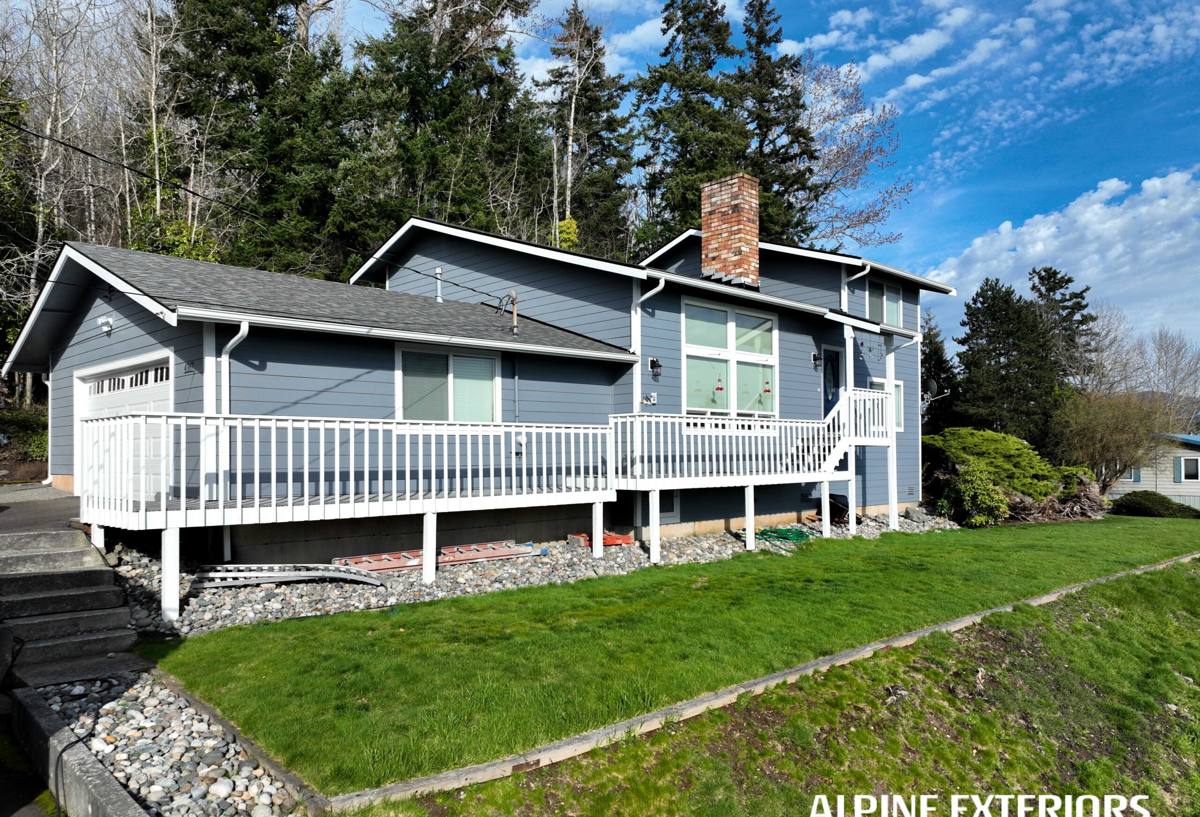
Why Asphalt Shingles Still Make Sense for These Homes
Southside Village has a mix of older bungalow-style homes and newer infill construction, and asphalt shingles remain a practical choice for both. They're compatible with the rooflines and pitches common in the neighborhood, they're straightforward to repair in sections if storm damage is localized, and modern architectural shingles carry wind ratings that hold up well when installed to spec. They're also the most cost-effective option for a full re-roof, which matters when a roof is competing for budget against other storm-hardening priorities like impact windows or garage door bracing.
That said, "asphalt shingle roof" covers a wide range of actual product quality and installation rigor. A roof built to the minimum code requirement and a roof built to hold up against sustained coastal wind and rain can use the exact same shingle bundle and still perform very differently five years later.
Where Asphalt Still Falls Short
We're honest about the trade-offs. Asphalt shingles are more vulnerable to wind uplift at the edges and ridges than metal roofing, and prolonged UV exposure will eventually granule-strip even a good shingle. Neither of those is a reason to avoid asphalt — it's a reason to install it correctly and inspect it on a schedule, which we cover below.
What a Correct Installation Actually Involves
A shingle roof is a system, not a single layer. Every component below has to work together, and most roof failures we get called out to trace back to one of these steps being rushed or skipped on a previous install.
Deck Inspection and Repair
Before anything goes down, the plywood deck gets checked for soft spots, delamination, and old fastener holes. Salt air and humidity work on the deck from underneath over time, especially around old vent penetrations. Shingles installed over a compromised deck will telegraph problems within a couple of storm seasons no matter how good the shingle is.
Underlayment
This is the roof's real waterproofing layer — the shingles are the wear surface and first line of defense, but the underlayment is what keeps water out if wind ever drives rain up under a shingle tab. For coastal Sarasota County homes we use synthetic or self-adhering underlayment at valleys, eaves, and penetrations rather than relying on a single layer of felt across the whole deck.
Fastening Pattern
This is the single biggest factor in wind performance and the easiest thing for a rushed crew to shortcut. Correct nail count, nail placement within the shingle's designated nailing zone, and nail depth (not overdriven, not underdriven) all affect uplift resistance. A six-nail pattern instead of four in higher-wind applications is a small labor cost with an outsized effect on how the roof holds up.
Flashing
Step flashing at walls, counter-flashing at chimneys, and proper valley and drip-edge flashing are where most leaks actually originate — not in the open field of shingles. Flashing has to be integrated with the underlayment in the right order, not just caulked into place afterward.
Ventilation
Florida attics run hot, and poor ventilation traps that heat against the underside of the deck, which accelerates shingle aging from below and can void manufacturer warranties. Balanced intake at the eaves and exhaust at the ridge keeps attic temperatures in check and extends the life of the whole system.
Shingle Options and How They Compare
Not every shingle product is built for the same wind exposure, and the difference matters more here than it would inland.
| Shingle Type | Typical Wind Rating | Best Fit For | Trade-Offs |
|---|---|---|---|
| 3-Tab | Lower uplift rating, lighter weight | Budget-conscious re-roofs, simpler rooflines | Shorter service life, less wind margin in gusty coastal exposure |
| Architectural/Laminate | Higher uplift rating with proper fastening | Most Southside Village homes | Higher material cost, heavier — deck must be in good condition |
| High-Wind Rated Architectural | Highest rating in the asphalt category | Homes with more open wind exposure or storm-history concerns | Premium pricing, still requires correct installation to reach rated performance |
The rating on the shingle wrapper is only achieved when the installation matches the manufacturer's tested fastening spec. A high-wind-rated shingle installed with a standard nailing pattern performs like a standard shingle — the rating isn't automatic just because you bought the product.
Our Process, Start to Finish
- Roof and attic inspection — we look at deck condition, ventilation, existing flashing, and any storm or moisture history before quoting anything.
- Written scope and shingle selection — you get a specific product, wind rating, and fastening pattern in writing, not a vague "shingle roof" line item.
- Tear-off and deck prep — old material removed down to the deck, damaged sheathing replaced, not covered over.
- Underlayment and flashing installation — self-adhering membrane at vulnerable points, new flashing where the old flashing is reused, corroded, or undersized.
- Shingle installation to spec — correct nail count and placement for the product's rated wind performance.
- Ventilation check and correction — intake and exhaust balanced before final closeout.
- Final walkthrough — we go over the finished roof with you before calling the job done.
Failure Points We See on Re-Roofs in This Neighborhood
When we're called out to look at an older roof in Southside Village that's leaking or losing shingles, the cause is rarely "the shingles wore out." It's almost always one of these:
- Nail pops from an undersized or underdriven fastening pattern, letting shingle tabs work loose in wind
- Flashing that was caulked over instead of properly integrated with the underlayment at walls and valleys
- Corroded metal flashing or fasteners from years of salt air exposure without a protective coating
- Blocked or missing ridge and soffit ventilation, accelerating shingle aging from underneath
- Granule loss and UV degradation on a roof that's past its practical service life but was patched instead of replaced
Maintenance That Actually Extends Roof Life
A correctly installed shingle roof still needs periodic attention in this climate. This is the checklist we give homeowners after a re-roof:
- Visual check after every named storm or major wind event — look for lifted or missing shingles, not just obvious leaks
- Clear debris from valleys and gutters at least twice a year so water isn't pooling against shingle edges
- Check attic ventilation isn't blocked by insulation or storage, especially after any attic work
- Have flashing around chimneys, skylights, and wall intersections inspected every couple of years — these are the first places small leaks start
- Don't ignore granule buildup in gutters — it's a sign the shingles are wearing and worth a professional look
Permits, Code Requirements, and Insurance Considerations
Sarasota County is not part of Florida's High-Velocity Hurricane Zone — that designation applies further south — but the Florida Building Code still sets elevated wind-design requirements for coastal counties along the Gulf, and a re-roof here has to meet those provisions and pass permitted inspection. We pull the required permits and build to the code requirements that apply to your specific property, not a generic minimum.
It's also worth knowing that many Florida homeowners insurance policies now ask for documentation of roof age, material, and installation method — sometimes through a wind mitigation inspection — to set or maintain coverage terms. A correctly documented, code-compliant installation makes that conversation with your insurer far easier than a roof with no paper trail.
Why a Crew That Already Works Southside Village Matters
Roofing crews that mostly work inland don't spend much time thinking about salt-air corrosion on fasteners or the specific wind-uplift behavior of a roofline exposed to open water. A crew that regularly works this part of Sarasota County already knows which flashing metals hold up, which ventilation setups actually perform in this humidity, and which fastening patterns are worth the extra labor cost for the wind exposure these homes see. That local pattern recognition is the difference between a roof that meets code on paper and a roof that's still tight after the next few storm seasons.
Cost Factors Worth Understanding Before You Get Quotes
| Factor | Why It Affects Price |
|---|---|
| Deck condition | Rotted or delaminated sheathing has to be replaced, not covered — adds material and labor |
| Roof pitch and complexity | Steeper roofs and more valleys/penetrations take longer and use more flashing detail |
| Shingle grade and wind rating | Higher-rated architectural shingles cost more per square than standard 3-tab |
| Ventilation upgrades | Adding or correcting ridge/soffit ventilation is a smart investment but adds scope |
| Tear-off layers | Removing multiple existing layers of roofing costs more than a single-layer tear-off |
We don't quote a roof over the phone from a square-footage guess. Every estimate starts with an actual look at the roof and attic so the number reflects your home's real condition, not an average.
If you're weighing a repair against a full re-roof, or just want an honest read on where your current roof stands, we're glad to come take a look. The estimate is free, there's no pressure to sign anything on the spot, and you'll get a written scope you can actually understand — just fill out the form below to get started.