 Sarasota Siding
 Southside Village Sits in One of Florida's Toughest Climates for Siding
Southside Village is one of Sarasota's established neighborhoods, known for its walkable streets and a mix of older bungalow-style homes alongside newer infill construction. Whatever the age of the house, the siding on it has to survive the same conditions every other exterior in Sarasota County faces: hurricane-force winds, intense year-round UV exposure, wind-driven rain that finds every gap in a building envelope, and salt-laden air drifting in off the Gulf. That combination is harder on a home's exterior than almost anywhere else in the country, and it's the reason we treat siding selection and installation in this neighborhood as a climate-engineering problem, not just a cosmetic upgrade.
Sun bleaches and breaks down paint film. Humidity and wind-driven rain push moisture behind poorly flashed siding. Salt air accelerates corrosion of fasteners and hardware. Add tropical-storm and hurricane wind loads to that list, and it becomes clear why so many older sidings around Sarasota show cupping, rot, or chalking well before their expected lifespan. A siding job done right in Southside Village has to account for all of it at once.
What Southside Village's Housing Stock Means for a Siding Job
Older Bungalows and Cottages
Many homes in this part of Sarasota were built in earlier decades, often with wood lap siding, and have gone through at least one prior re-siding or repaint. That history matters: old fasteners, hidden water damage behind trim, and out-of-date flashing details are common, and they need to be found and corrected before new siding goes on — not covered up.
Newer Infill Construction
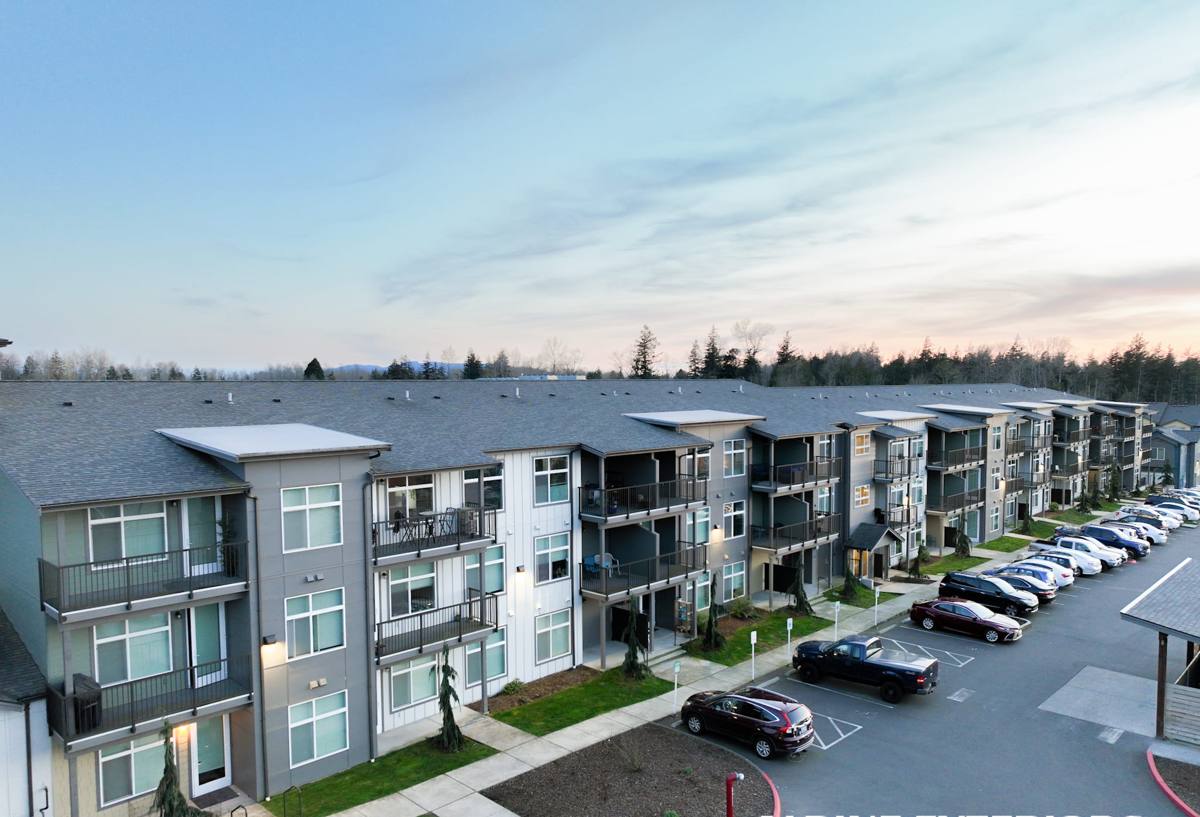
Where newer homes have gone in among the older housing stock, siding is usually in better shape structurally, but it's not automatically the right product for this climate. Vinyl and some engineered wood products used in production building are chosen for cost and speed, not for coastal wind and moisture performance, and they show their limits faster here than they would inland.
Why We Install Only James Hardie Fiber Cement
We don't install vinyl siding, LP SmartSide, Cemplank, Allura, or primed wood products like spruce or cedar. That's a deliberate standard, not a sales preference. James Hardie is the one product line we've found holds up consistently to Gulf Coast conditions when installed correctly, and it's the only one we're willing to put our name behind and back with our workmanship.
Fiber cement is non-combustible, which matters in a state where wildfire and ember exposure are a real (if secondary) consideration, and it doesn't provide the food source that wood-based products do for pests and rot. Hardie's ColorPlus factory-applied finish is baked on and UV-cured, which holds color far better under Florida sun than field-applied paint. And Hardie's HZ5 product line is specifically engineered for high-humidity, high-moisture climates like ours — different from the HZ10 formulation sold in colder, drier regions.
| Consideration | Why It Matters in Southside Village |
|---|---|
| Non-combustible core | Doesn't contribute fuel in the rare event of exterior fire exposure |
| ColorPlus factory finish | Resists UV fading and chalking better than field-painted surfaces under year-round Florida sun |
| HZ5 climate-engineered formulation | Built for humid, high-moisture coastal regions rather than freeze-thaw climates |
| Rigid, dense fiber cement board | Holds paint and caulk lines under repeated wind and rain cycling better than lightweight composites |
| Manufacturer-backed transferable warranty | Coverage that follows the house, which matters if you sell within the warranty period |
This doesn't mean every alternative product is worthless — some perform reasonably well in the right application. But we've chosen to specialize in one system we can install to spec every time, rather than stock five products and hope each one gets the details right. That's the trade-off: less product flexibility, more consistency and accountability on the install.
What a Correct Fiber Cement Installation Actually Involves
Fiber cement siding is only as good as the assembly behind it. Most siding failures we're called to look at in Sarasota County aren't a product problem — they're a moisture-management or fastening problem from an installation that skipped steps. On a Southside Village home, we pay particular attention to a few details that get rushed on a lot of jobs:
Tear-Off and Substrate Inspection
We remove the existing siding down to the sheathing and inspect for rot, delamination, or prior water intrusion before anything new goes up. On older homes in this neighborhood, this step regularly turns up damage that wasn't visible from the outside.
Moisture Barrier and Flashing
A weather-resistive barrier, correctly lapped and sealed, goes on before siding — not as an afterthought. Window, door, and penetration flashing has to shed water outward at every layer, since wind-driven rain in a coastal storm doesn't behave like ordinary rainfall; it can drive moisture sideways and even upward under wind pressure.
Fastening and Clearances
Hardie specifies fastener type, spacing, and embedment for a reason — under-driven or over-driven nails, wrong fastener material, or missing the framing member are common causes of boards working loose in high wind. We also hold proper clearance off grade, roofing, and decks so the board edge isn't sitting in standing water or splash-back.
Caulking and Trim
Butt joints, trim transitions, and penetrations get sealed with a high-quality, paintable exterior sealant rated for the joint size and movement — not a bead of whatever caulk was on the truck. This is one of the most common corner-cutting points we see, and it's usually where the first leaks show up.
Our Process on Southside Village Projects
Every project starts with a walk of the exterior with the homeowner, not just a quote by photo. That's when we identify problem areas — old repairs, soft trim, drainage issues near the foundation — that need to be part of the scope rather than a surprise mid-job.
- On-site assessment of existing siding, trim, and substrate condition
- Written estimate covering material, labor, tear-off, disposal, and any substrate repair allowance
- Permit pulled through Sarasota County (or the applicable local jurisdiction) before work begins
- Full tear-off and substrate inspection, with repairs addressed before new siding goes on
- Weather-resistive barrier, flashing, and correct fastening per Hardie's published installation instructions
- Trim, caulking, and paint touch-up per ColorPlus or field-finish specifications
- Final walk-through with the homeowner before the job is considered complete
We don't skip the permit step, even on smaller re-siding jobs. Sarasota County inspections exist to catch the same install errors that cause premature failure, and pulling permits protects the homeowner if the house is sold or insured down the line.
Cost Factors for a Southside Village Siding Project
Every home is different, so we won't quote a number without seeing the house, but the variables that move a project's cost are consistent across the neighborhood:
| Factor | Why It Affects Cost |
|---|---|
| Tear-off complexity | Multiple layers of old siding or extensive rot repair add labor before installation even starts |
| Home size and wall complexity | Dormers, bump-outs, and multiple gables mean more cutting, flashing, and trim detail |
| Siding profile and plank width | Wider reveals and lap profiles vary in material cost and install time |
| ColorPlus color selection vs. field paint | Factory-finished color adds cost up front but removes a repaint cycle for years |
| Trim and accessory scope | Corner boards, frieze boards, and soffit work are often bundled with a siding project |
| Access and site conditions | Tight lot lines, mature landscaping, or second-story work affect labor time |
Maintenance in a Salt Air, High-UV Climate
One of the practical advantages of ColorPlus fiber cement in this climate is how little upkeep it needs compared to painted wood or aging vinyl. That said, "low maintenance" isn't "no maintenance," especially this close to the Gulf. A periodic rinse to clear salt residue and pollen buildup, a yearly look at caulk lines and trim joints for cracking or separation, and prompt attention to any impact damage will keep a correctly installed system performing for decades. Catching a failed caulk joint early is a five-minute fix; ignored for a couple of storm seasons, it can turn into a sheathing repair.
Why Hiring a Crew That Already Works in Southside Village Matters
Siding installation quality comes down to the details described above, and those details are easiest to get right when a crew already understands the local conditions: how Sarasota County's permitting and inspection process works, what wind-load and fastening standards apply this close to the coast, and what kinds of hidden substrate issues tend to show up on this neighborhood's housing stock. A crew that's worked this area repeatedly isn't guessing at any of that — they've already accounted for it before the first board goes up.
It also means faster response if a question comes up after the job — about a warranty item, a repaint touch-up, or storm-related concerns — rather than waiting on a crew that has to drive in from somewhere else in the region.
If you're weighing a siding replacement on a Southside Village home, we're glad to walk the exterior with you, point out anything we see, and put together a straightforward, no-pressure estimate — just fill out the form below to get started.