 Sarasota Siding
 New-Construction Windows Are a Different Job Than Replacement
There's an important distinction homeowners and builders in Southside Village should understand before a single window ships to the jobsite: new-construction windows are not the same product or process as a retrofit replacement window dropped into an existing opening. New-construction units have a nailing fin or receive a fully mulled frame that ties directly into the wall's structural framing and weather-resistant barrier before stucco, siding, or brick veneer ever goes on. That means the installation sequence, the flashing details, and the inspection points all happen earlier in the build, and there's a lot less room to fix a mistake later without tearing into finished walls.
Southside Village has seen a steady wave of new home construction and full-gut rebuilds on its established, close-in lots. Whether you're a homeowner working with a builder on a new home or a general contractor who needs a window crew that shows up on schedule and gets the details right the first time, the window installation is one of the few building components that has to perform against wind, water, and sun for decades without being reopened.
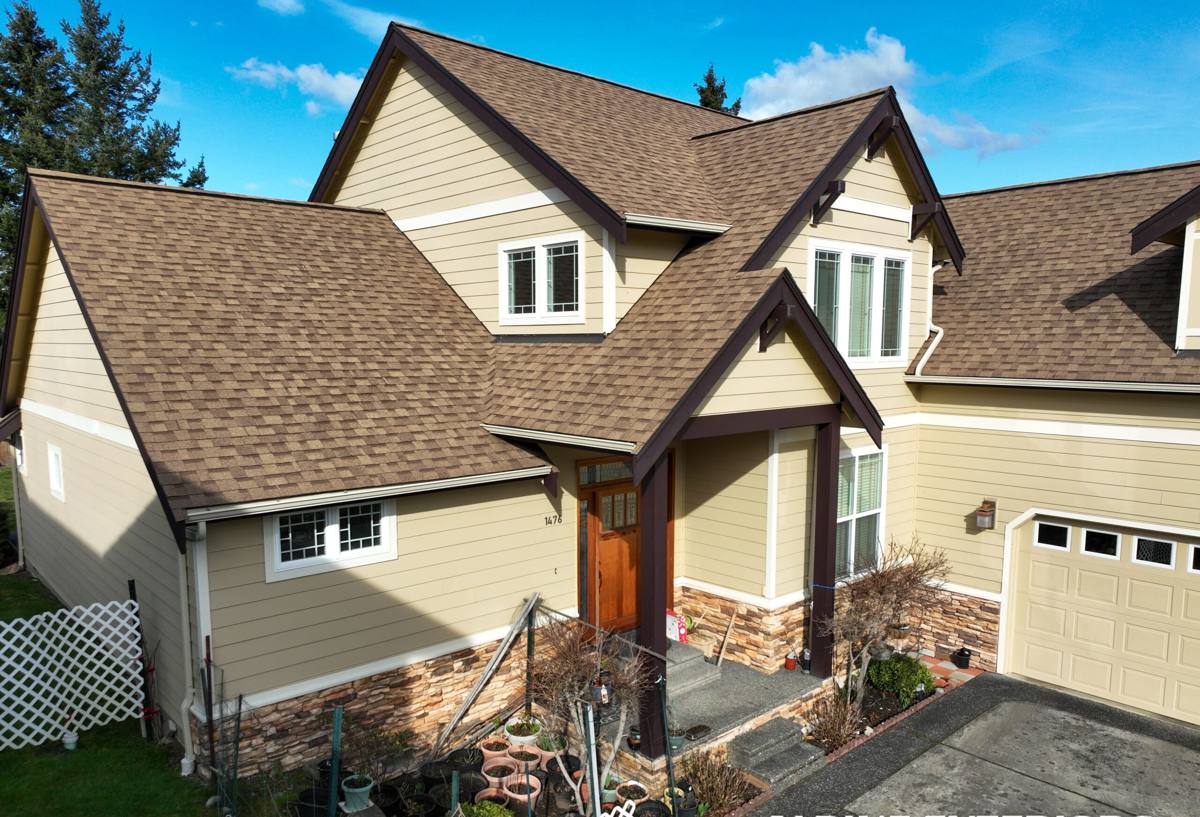
What Southside Village's Climate Actually Demands
Sarasota sits on the Gulf Coast, and Southside Village homes face the same conditions as the rest of Sarasota County: hurricane-force wind events, intense year-round UV exposure, wind-driven rain, and a steady dose of salt-laden air off the water. None of these are abstract concerns — they show up as real, measurable stress on a window assembly.
Wind and Wind-Borne Debris
During a tropical storm or hurricane, a window isn't just resisting steady wind pressure — it's resisting sudden pressure cycling and the risk of impact from airborne debris. A window that isn't rated for the correct design pressure, or isn't properly anchored into the rough opening, can fail at the frame or the anchoring points well before the glass itself is the weak link.
Wind-Driven Rain
Sarasota's storms rarely deliver rain straight down. Wind-driven rain gets pushed sideways and upward into any gap in the flashing, sill pan, or sealant joint. On a new-construction window, this is almost entirely a flashing and sequencing issue — the window itself can be excellent and still leak if the water-resistant barrier isn't lapped correctly around it.
UV and Salt Air
Year-round Florida sun degrades weatherstripping, gaskets, and low-quality vinyl or coatings faster than in most of the country. Add in salt air that accelerates corrosion of fasteners and hardware, and it's clear why component selection matters as much as installation technique.
Florida Building Code: What Applies in Sarasota County
Sarasota County is not part of Florida's High-Velocity Hurricane Zone (HVHZ), which applies only to Miami-Dade and Broward Counties. That distinction matters, but it doesn't mean Southside Village homes are held to a lighter standard — Sarasota County falls within the Florida Building Code's wind-borne debris region, which still requires windows to carry a documented design pressure (DP) rating matched to the home's height, exposure category, and location, along with a valid Florida Product Approval or Miami-Dade Notice of Acceptance (NOA) number referenced on the permit set.
For new construction, this gets checked at multiple points: the plans examiner reviews the specified DP ratings against the engineered wind load calculations for the site, and the building inspector verifies the installed window's label matches what was approved before it gets covered by stucco or siding. Getting this wrong after the wall is closed up is a costly correction — it's far cheaper to confirm compatibility before the windows are ordered.
Frame Types and Installation Methods
Southside Village has a mix of concrete block (CBS) and wood-framed new construction, and the correct installation method depends on which one you're building.
Block (CBS) Construction
In block construction, windows typically install into a masonry opening using anchors set into the block or a bucking system, with sealant and backer rod at the perimeter joint. The buck material, anchor spacing, and sealant joint design all have to match the window manufacturer's tested installation instructions — substituting an untested detail can void the product approval, even if the window itself is code-rated.
Wood-Framed Construction
In wood-framed walls, new-construction windows generally use a nailing fin that fastens directly to the sheathing and gets integrated into the wall's water-resistive barrier using a shingle-lap flashing sequence — sill tape first, then jamb flashing, then head flashing lapped over the housewrap above. Skipping the correct order, or using incompatible tape and sealant chemistries, is one of the most common sources of hidden leaks in new homes.
Sill Pans
On both construction types, a properly sloped sill pan flashing under the window is cheap insurance against wind-driven rain intrusion — it gives any water that does get past the window a way out instead of into the wall cavity.
Choosing the Right Frame Material
Frame material affects cost, maintenance, and long-term performance against Sarasota's sun and salt air. There's no single right answer for every home — it depends on budget, architectural style, and how much upkeep the homeowner wants to take on.
| Frame Material | Upfront Cost | UV / Salt Air Resistance | Maintenance |
|---|---|---|---|
| Vinyl | Lower | Good with quality UV-stabilized compound; lower grades can chalk or discolor over time | Low — no painting, occasional cleaning |
| Aluminum | Mid-range | Strong structurally; needs a quality finish to resist salt-air corrosion and pitting | Low to moderate — check fasteners and finish periodically |
| Fiberglass | Higher | Excellent — very stable in heat and humidity, resists UV degradation well | Low |
| Wood / Clad-Wood | Highest | Interior wood needs climate control; exterior clad protects from weather if detailed correctly | Higher — interior finish care, exterior clad periodic inspection |
For most new construction in Southside Village, we steer homeowners toward vinyl or fiberglass for a strong balance of coastal durability and cost, reserving wood or clad-wood for homes where the architectural detailing calls for it and the homeowner is comfortable with the added upkeep.
Our New-Construction Window Process
- Plan review and DP verification — we confirm the specified window's design pressure rating and product approval match the engineered requirements for the site before anything is ordered.
- Rough opening check — we verify every opening is square, plumb, and sized correctly before windows arrive, catching framing issues while they're still cheap to fix.
- Coordination with the builder's schedule — window installation has to land at the right point relative to the water-resistive barrier, stucco lath, or siding installation. We work directly with the general contractor or homeowner to hit that window.
- Flashing and sealant installation — sill pan, jamb, and head flashing installed in the correct shingle-lap sequence, using sealants and tapes compatible with both the window and wall assembly materials.
- Anchoring to spec — fasteners and anchors installed per the manufacturer's tested instructions, not a generalized approach, since substitutions can void code compliance.
- Final check before closing the wall — a last look at flashing laps and sealant joints before stucco or siding covers the work, since this is the last point anyone can see it directly.
Why Local Experience in Southside Village Matters
Southside Village is a tight, established neighborhood — mature tree canopy, close lot lines, and a mix of older homes standing next to new construction and full rebuilds. A crew that already works this neighborhood knows how to stage material and equipment on a narrow lot without damaging a neighbor's yard or root systems, how to sequence deliveries around limited street parking, and how the City of Sarasota's inspection process typically flows for infill construction.
That familiarity also extends to matching new-construction windows to the visual scale and proportions that fit in with the neighborhood's existing homes, whether the new build is going for a traditional Florida cottage look or a more contemporary elevation. A window schedule that looks right on paper can still read wrong on the street if sightlines, muntin patterns, or trim proportions are off — something a crew unfamiliar with the area is more likely to miss.
A Homeowner's Checklist Before Signing Off on New-Construction Windows
- Every window's design pressure (DP) rating matches the engineered requirement for its location on the house
- Florida Product Approval or Miami-Dade NOA numbers are documented and match the permit set
- Sill pan flashing is installed and sloped to drain outward
- Flashing tape and sealants are confirmed compatible with both the window and the wall's water-resistive barrier
- Anchoring method matches the manufacturer's tested installation instructions for the wall type (block or frame)
- Rough openings were verified square and correctly sized before windows were installed
- Photos or documentation exist of flashing details before they were covered by stucco or siding
- Final inspection sign-off is on file with the building department
What to Expect After Installation
Correctly installed new-construction windows in this climate shouldn't demand much from a homeowner beyond routine care. Rinse frames and glass periodically to clear salt residue, especially on homes closer to the water, check weatherstripping and hardware once a year, and keep an eye out for any staining on interior walls near window openings after heavy storms — an early sign worth investigating rather than ignoring. Beyond that, a properly detailed installation is built to be left alone for years.
If you're building new or planning a full rebuild in Southside Village and want a window installation done right the first time — code-compliant, properly flashed, and fitted to the home's design — we're happy to walk the plans with you and give you a straightforward, no-pressure estimate using the form below.