 Sarasota Siding
 Why Ellenton Roofs Take Extra Punishment
Ellenton sits in Manatee County, in the same weather corridor that runs through the greater Sarasota-Bradenton area — which means the same combination of threats hits every roof here: hurricane-force wind gusts that can lift shingles and tear at flashing, wind-driven rain that finds its way in sideways rather than straight down, intense year-round UV that bakes roofing materials from the day they're installed, and salt-laden air drifting in off the Gulf that accelerates corrosion on fasteners, flashing, and metal components. None of these forces act alone. A roof that's already brittle from UV exposure fails faster in a wind event, and a roof with corroded fasteners loses its grip on the deck long before the shingles themselves wear out. Storm damage repair in this area isn't just about patching what broke — it's about understanding why it broke and making sure the fix holds up to the next system that rolls through.
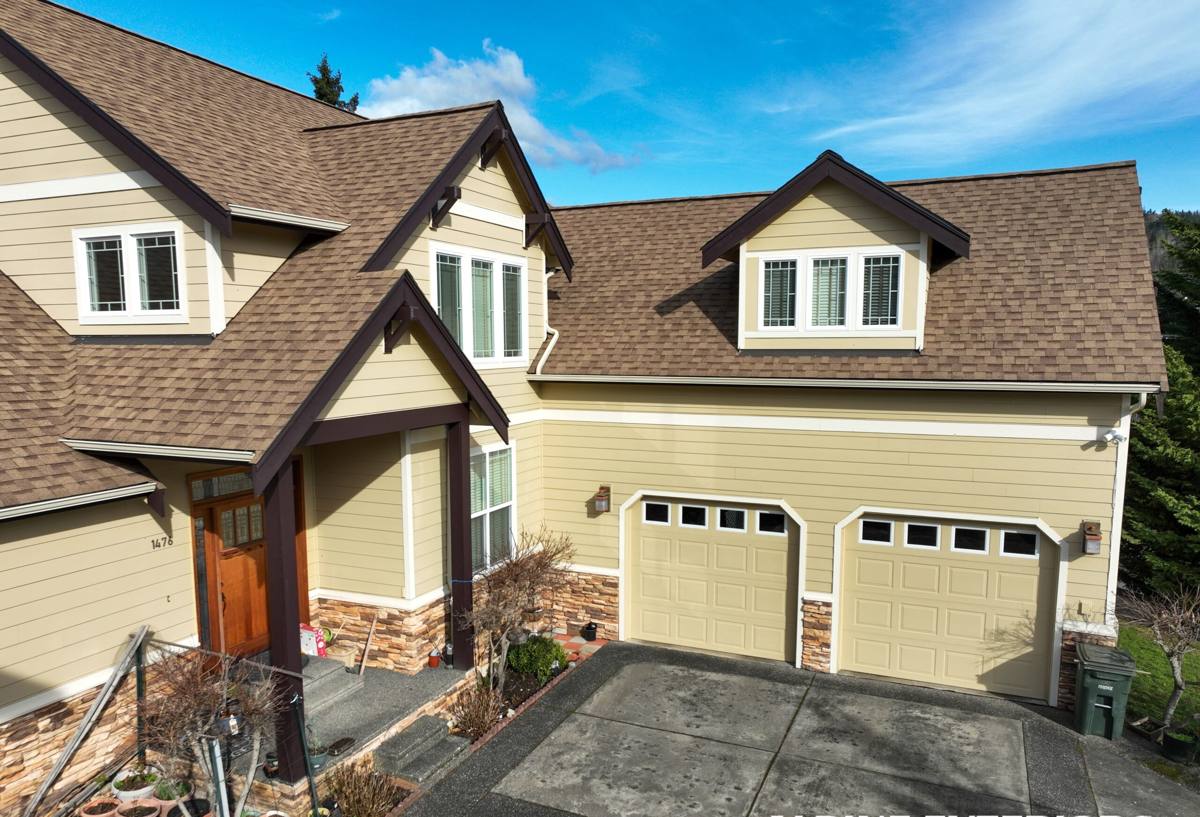
What Storm Damage Actually Looks Like
Some damage is obvious. Most of it isn't. We look for both.
Visible signs homeowners usually catch
- Missing, cracked, or curled shingles, especially near roof edges and ridges where wind uplift is strongest
- Granules collecting in gutters or at the base of downspouts after a storm
- Visible dents or creases in metal flashing, drip edge, or roof vents
- Debris punctures from falling branches or wind-blown objects
Hidden damage that shows up later
Wind can lift a shingle just enough to break its seal without tearing it off entirely — the shingle lays back down and looks fine from the ground, but the seal never re-forms. Wind-driven rain can push moisture up and under flashing at chimneys, walls, and skylights, working into the deck before a single stain appears on a ceiling. Fastener corrosion from salt air loosens shingles gradually rather than all at once, so a roof can lose wind resistance over several storm seasons without any single event looking dramatic. This is why a proper storm inspection covers the whole roof system, not just the spot that's obviously damaged.
Our Storm Damage Repair Process
When a homeowner in Ellenton calls after a storm, the process runs in a specific order — skipping steps is how small problems turn into big ones.
1. Emergency assessment and stabilization
If the roof has an active leak or an open area exposed to the deck, the first priority is stopping additional water intrusion. That usually means proper tarping — secured correctly so wind doesn't tear it loose in the next round of weather — not a quick cover that fails in the following storm.
2. Full roof inspection
We walk the entire roof, not just the damaged section: shingles or tiles, flashing at every penetration, valleys, ridge and hip caps, vents, gutters, and the fascia and soffit line where wind and water pressure concentrate. We're also checking the attic side when accessible, since staining or damp insulation tells us how far water actually traveled.
3. Documentation
Photos and notes on every affected area, dated and organized, before any repair work begins. This record is what supports an insurance claim and gives the homeowner an honest, itemized picture of what's damaged versus what's still sound.
4. Repair scope and materials match
We spec the repair to match the existing roof system as closely as possible — same shingle profile and color line where the manufacturer still produces it, correct flashing metal, and underlayment that meets current Florida Building Code requirements even if the original roof predates them.
5. The repair itself
Proper tie-in at the edges of the repaired section, correct nailing pattern (not just enough nails to hold, but the pattern and count the manufacturer specifies for wind resistance), and flashing details sealed the way they should have been the first time.
Repair or Replace? How We Help You Decide
Not every storm-damaged roof needs to come off. But sometimes a repair is a short-term patch on a roof that's already near the end of its service life, and we'll tell you that plainly instead of selling a repair we don't believe in.
| Factor | Repair Usually Makes Sense | Replacement Usually Makes Sense |
|---|---|---|
| Age of roof | Roof is under 10-12 years old with isolated damage | Roof is near or past its rated lifespan and damage is widespread |
| Extent of damage | Damage is confined to one slope or a small area | Damage is spread across multiple slopes or the deck itself is compromised |
| Underlying condition | Rest of the roof shows good granule retention, no widespread curling | Shingles elsewhere are brittle, granule loss is heavy, or seals are already failing |
| Insurance scope | Adjuster's scope covers a defined repair area | Adjuster's scope or code requirements (matching, secondary water barrier) push toward full replacement |
| Material availability | Matching shingle or tile is still available | Discontinued product means a full section or full roof is the only clean option |
We'll walk you through where your roof actually falls on this table before recommending a scope of work — not before.
Working With Your Insurance Claim
Storm damage claims move faster and go smoother when the documentation is solid from day one. We provide a detailed written scope and photo record that matches what an adjuster needs to see, and we can walk the roof alongside your adjuster if that's helpful. We don't inflate scopes to pad a claim, and we don't downplay damage to make a quick sale — our job is to give you an accurate picture so you and your insurer can agree on a fair scope of work. If a claim gets denied or under-scoped, we can also provide additional documentation to support an appeal, since we've already got the original inspection on file.
Materials and Code Requirements That Matter Here
Florida Building Code requirements for roofing have gotten stricter over the years specifically because of storm exposure along the Gulf Coast, and any repair or replacement needs to meet current code for the permit to pass — regardless of what the original roof had.
What we build into every storm repair or replacement
- Fasteners and flashing rated for coastal wind exposure, sized correctly for salt-air corrosion resistance
- Underlayment and, where required, a secondary water barrier so wind-driven rain that gets past the shingles still can't reach the deck
- Proper nailing patterns for wind uplift resistance — this is one of the most commonly skipped details on cheap repairs
- Ridge and hip caps and edge metal secured to current wind-resistance standards, since these are the first components to fail in high wind
We also pull the required permits and schedule inspections rather than treating them as optional — a repair that skips permitting can create real problems at resale or on a future insurance claim.
What to Do Right After a Storm
How a homeowner handles the first 24-48 hours after storm damage affects both the repair outcome and the insurance claim.
- Photograph visible damage from the ground before anything is moved or covered, if it's safe to do so
- Avoid walking the roof yourself — storm-damaged decking and wet shingles are a real fall hazard
- Get a tarp or temporary cover in place quickly if there's an active leak, but make sure it's actually secured, not just draped
- Contact your insurance company to open a claim, and keep a record of who you spoke with and when
- Call a local roofer for an inspection before assuming the damage is either minor or catastrophic — both assumptions can cost you
- Keep receipts for any emergency mitigation, since most policies reimburse reasonable steps taken to prevent further damage
Why a Local Ellenton Crew Makes a Difference
After a widespread storm event, roofing companies from outside the area sometimes show up offering fast repairs, then disappear once the work is done — leaving homeowners with no one to call if a repair fails or a warranty needs to be honored. A crew that already works in and around Ellenton and the broader Sarasota-Bradenton area has a stake in doing the job right the first time, because we're still here next season, next year, and the one after that. We also know what local roofs are up against year-round — not just during storm season — because we're dealing with the same UV load, salt air, and wind exposure on every roof we touch in this county.
Let's Take a Look at Your Roof
If your Ellenton home has storm damage — or you're just not sure whether what you're seeing is a real problem or normal wear — we're glad to come take an honest look. The estimate is free, there's no pressure, and you'll get a straight answer about what needs attention now versus what can wait. Fill out the form below and we'll get in touch to schedule a time.