 Sarasota Siding
 Board & Batten in The Meadows
The Meadows is one of Sarasota's established deed-restricted communities — mature tree canopy, a mix of home ages and architectural styles, and an HOA that generally cares about how a house looks from the street. Board and batten siding fits that setting well. The vertical lines read as clean and a little more modern than lap siding without looking out of place next to more traditional Florida homes, and it holds up visually at a distance, which matters on lots with long driveways or heavy landscaping.
But board and batten is also one of the less forgiving siding profiles to install badly. The battens create dozens of extra seams and fastening points compared to a lap siding job, and every one of those seams is a potential water entry point if it's not detailed correctly. In a climate like ours, that's not a small detail — it's the whole ballgame.
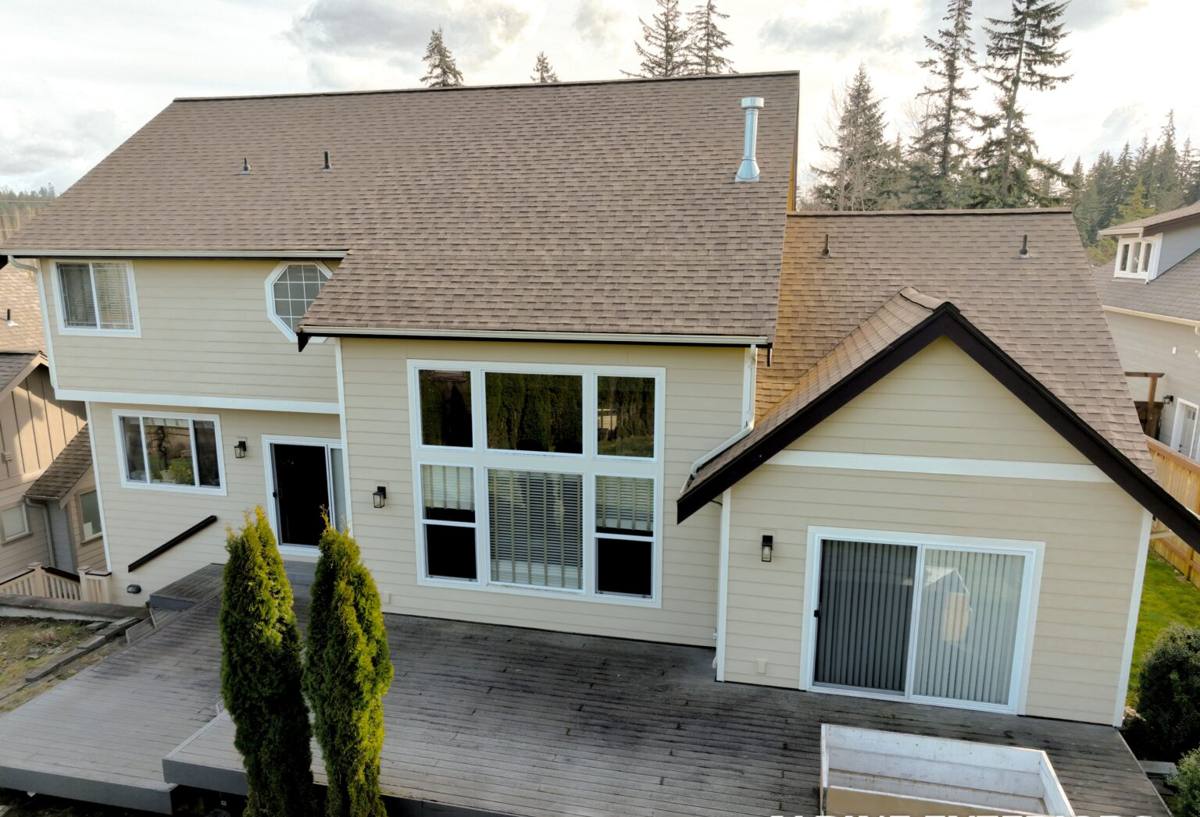
What Sarasota's Climate Actually Does to This Siding
Sarasota County sits in a spot where several stressors hit a house at once, and board and batten siding is more exposed to some of them than other profiles because of its vertical grain and higher seam count.
- Hurricane-force wind: Sustained wind and gusts put direct pull-off pressure on every board and batten. Fastener pattern and spacing matter more here than on almost any other siding style.
- Wind-driven rain: Storms in this area rarely fall straight down. Rain gets pushed sideways into vertical seams and batten edges, which is exactly where a board and batten installation either sheds water or lets it in.
- Year-round UV: Sarasota gets strong, direct sun nearly every month. Cheap paint or a thin factory finish chalks, fades, and cracks faster here than it would in a milder climate — and vertical boards catch sun at more angles through the day than horizontal lap siding does.
- Salt air: Being close to the Gulf means airborne salt settles on siding and fasteners even a few miles inland. Salt accelerates corrosion in fasteners and trim and speeds up the breakdown of lower-grade materials.
- Humidity: Constant moisture in the air means anything installed too tight to the wall, or without a way for moisture to escape, stays damp longer after a storm — which is when rot, mold, and fastener corrosion start.
None of these individually is unusual for Florida. What makes The Meadows and the rest of Sarasota County demanding is that a home here deals with all of them, repeatedly, for the life of the siding.
Why We Only Install James Hardie for Board & Batten
We don't install vinyl, LP SmartSide, Cemplank, Allura, or raw wood board and batten — not because those products don't have a place in the market, but because we don't think they hold up to this specific set of conditions well enough for us to put our name on the install.
Vinyl board and batten expands and contracts more than fiber cement in Florida's heat swings, which shows at the seams over time, and it's not rated for the wind speeds hurricane-prone counties like Sarasota require. Real wood board and batten looks great on day one but needs a level of ongoing repainting and moisture vigilance that most homeowners don't sign up for once they understand the maintenance calendar. Engineered wood products like LP SmartSide use a wood-strand core that's more moisture-sensitive at cut edges and seams than fiber cement — manageable with disciplined caulking and paint maintenance, but board and batten has a lot of seams to keep up with.
James Hardie fiber cement is non-combustible, dimensionally stable in heat and humidity, and available in board and batten profiles built for exactly this kind of climate. The ColorPlus factory finish is baked on and warrantied against fading and chipping in a way field-applied paint isn't, which matters given how much direct UV this siding takes here. It's the product we're willing to stand behind on a Meadows home, and it's the only one we install.
What Correct Board & Batten Installation Involves
The material is only half the job. A correct board and batten installation in a wind- and rain-exposed climate comes down to details that aren't visible once the job is done:
- A weather-resistant barrier installed and lapped correctly behind the siding, with proper drainage so any moisture that gets past the boards has somewhere to go.
- Correct fastener type, length, and spacing — engineered for local wind load, not just "close enough."
- Proper gaps and sealant at every board, batten, window, and corner transition, matched to Hardie's published installation instructions rather than generic caulk-and-go practices.
- Battens installed over furring or spaced correctly to allow airflow behind the siding, so humidity doesn't get trapped against the wall.
- Flashing at windows, doors, and roof intersections that actually directs water out and away instead of behind the siding.
Skip any one of these and the siding can look fine for a year or two while a moisture problem builds behind it. That's the trap with board and batten — the visible work is straightforward, but the invisible work is where most bad installs fail.
Our Process for The Meadows
1. On-Site Assessment
We look at the existing siding and substrate, note any soft spots or moisture damage, check window and door flashing, and talk through what the HOA's exterior guidelines typically expect so there are no surprises later.
2. Plan and Quote
You get a written scope: board width and batten spacing, color selection from Hardie's ColorPlus line, trim details, and a clear breakdown of what's included — tear-off, substrate repair if needed, house wrap, and installation.
3. Prep and Substrate Check
Old siding comes off and we inspect the sheathing underneath. Any rot or water damage gets addressed before a single new board goes up — covering a bad substrate with new siding just hides the problem.
4. Installation to Spec
Weather-resistant barrier, correct fastening pattern, proper batten spacing for airflow, and sealed transitions at every penetration — installed to Hardie's requirements for our wind zone, not shortcuts.
5. Final Walkthrough
We walk the finished job with you, point out anything you should know for upkeep, and make sure the color and finish match what was quoted.
Cost Factors to Understand
Every home is different, but these are the variables that actually move the price on a board and batten job — useful to know before you compare quotes.
| Factor | Why It Matters |
|---|---|
| Substrate condition | Rot or water damage found during tear-off adds repair cost, but skipping the repair costs far more later. |
| Board and batten spacing/width | Wider batten spacing means more seams and more fastening and sealing labor per square foot. |
| Home height and roofline complexity | Multiple stories, steep pitches, and dormers add scaffolding and labor time. |
| Trim and corner detail | Custom corner boards, window casing, and transitions to other materials add finish work. |
| Color selection | Standard ColorPlus colors are typically more cost-effective than premium or custom-matched finishes. |
| Accessibility | Tight lots, mature landscaping, and limited staging area (common in established communities like The Meadows) can add labor time. |
Signs Your Current Siding Needs Attention
- Soft or spongy spots when you press on the siding, especially near the bottom edges or window sills.
- Visible gaps opening up at batten seams or corner boards.
- Paint that's chalking, peeling, or fading unevenly, especially on south- and west-facing walls.
- Staining or streaking that suggests water is running behind the siding rather than off it.
- Rust bleeding from fastener heads — a sign of fastener corrosion from salt air and humidity.
- A musty smell or visible mold near baseboards on interior walls that share an exterior wall.
Any one of these on its own isn't necessarily an emergency, but if you're seeing two or more, it's worth having the siding looked at before the next storm season rather than after.
Why Hiring a Crew That Already Works The Meadows Matters
A siding crew that regularly works in The Meadows and elsewhere in Sarasota County already knows what the HOA's architectural review typically expects for exterior changes, understands the wind and flood requirements that apply to this part of the county, and has a track record of installations that have actually been through a hurricane season or two. That's different from a crew that installs siding in a mild climate somewhere and treats a Sarasota job the same way. Fiber cement board and batten installed to spec here should perform for decades — but "to spec" means to Sarasota's spec, not a generic one.
What to Expect After Installation
James Hardie board and batten with a ColorPlus finish is low-maintenance, not no-maintenance. A periodic rinse to clear salt and pollen buildup, an annual look at caulking around windows and trim, and prompt attention if you ever notice a batten seam opening up will keep the system performing the way it's designed to. Because the finish is factory-applied and warrantied, you're not on a repainting schedule the way you would be with raw wood.
If you're in The Meadows and thinking about board and batten siding — whether you're replacing something that's failing or updating the look of the house — we're glad to come take a look and give you a straightforward, no-pressure estimate. Fill out the form below and we'll get in touch.