 Sarasota Siding
 Deck Repair Built for The Meadows' Climate
The Meadows is one of Sarasota's older, more established communities, and a lot of the decks, lanais, and outdoor platforms out there are old enough to be showing it. Mature tree canopy, nearby lakes and ponds, and the humidity that comes with living inland from the Gulf all combine to put outdoor wood and composite structures through more than most homeowners realize. Add in Sarasota County's exposure to hurricane-force winds, wind-driven rain, and year-round UV intensity, and you've got a climate that ages a deck faster than almost anywhere else in the country.
Deck repair here isn't just about swapping a few boards. It's about understanding how heat, moisture, and storm loads work together to attack a structure over time, and fixing the actual cause instead of just the symptom sitting on top.
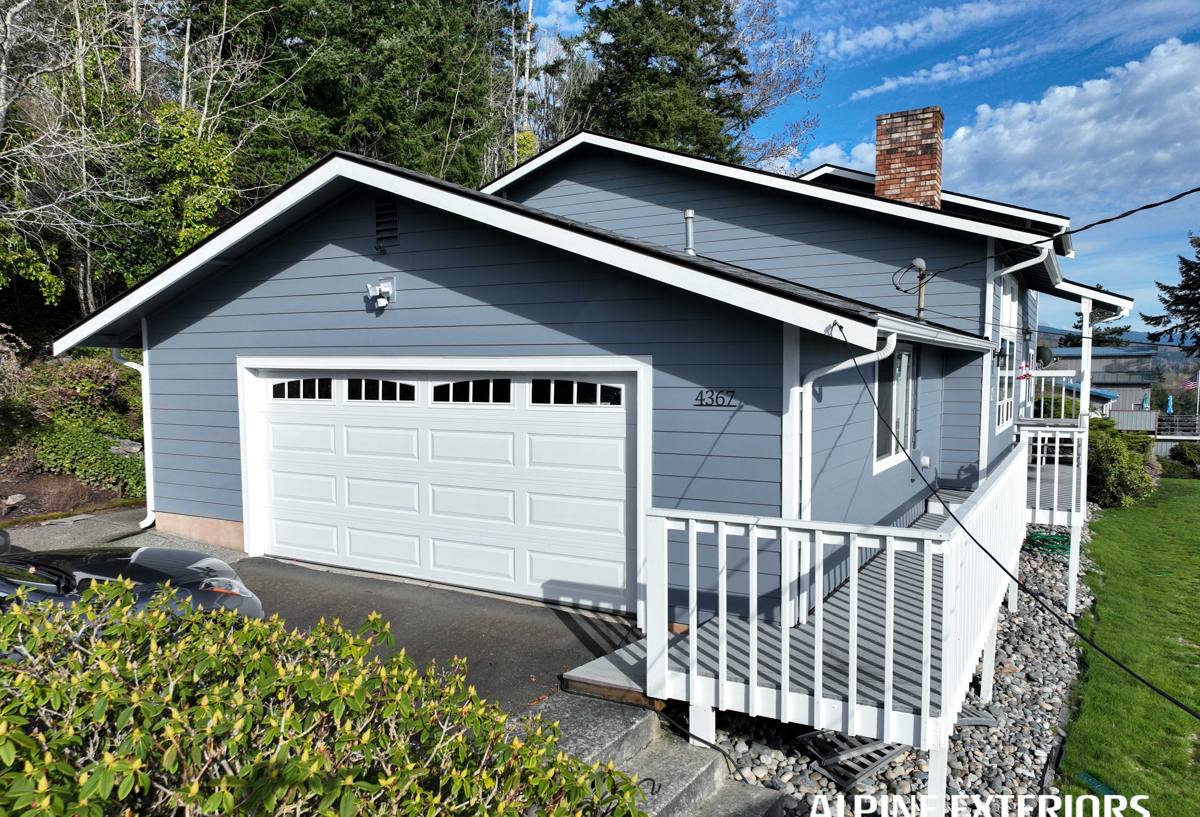
Why Decks in The Meadows Wear Out Faster
Shade, Moisture, and Slow Drying
The tree cover that makes The Meadows attractive also means many decks don't get full sun exposure to dry out after rain. Wood and even composite decking that stays damp longer than it should is more prone to rot, mold staining, and fastener corrosion. Homes near the community's lakes and ponds deal with similar moisture retention in the air, which slows drying even further.
UV and Heat Cycling
Florida sun is intense nearly all year. UV breaks down the lignin in wood fibers, causing graying, splintering, and surface checking. On composite and PVC decking, UV exposure combined with daily heat cycling can cause fading and, on lower-quality boards, surface degradation over the years. Materials expand and contract with temperature swings, which loosens fasteners and stresses joints at a rate that homeowners in cooler climates never deal with.
Wind and Storm Loading
Sarasota County sees real hurricane risk, and even non-named storms bring gusts strong enough to rack a deck frame, pull ledger boards away from the house, or lift improperly fastened boards. Wind-driven rain also forces water into joints, fastener holes, and end grain that would otherwise stay dry, accelerating rot from the inside out.
Salt Air
The Meadows sits a bit further from the immediate coast than some Sarasota neighborhoods, but salt air still travels and settles on metal hardware, fasteners, and railings. Over time it accelerates corrosion on anything that isn't rated for coastal exposure, which is a major reason so many older decks in the area have rusted-out fasteners long before the wood itself fails.
Signs Your Deck Needs Repair Now
Catching problems early is almost always cheaper than waiting. Walk your deck and check for these warning signs:
- Soft, spongy, or springy spots underfoot, especially near the house or stair landings
- Boards that have cupped, crowned, or visibly warped
- Rust streaks around screws, nails, or joist hangers
- Gaps or movement where the ledger board meets the house
- Wobbly railings or posts that shift when pushed
- Visible cracks in support posts or beams
- Mold, algae, or dark staining that keeps returning after cleaning
- Stairs that feel uneven or bounce under weight
- Gaps opening up between deck boards beyond normal seasonal movement
Any one of these on its own might be minor. Several together, especially near connection points, usually mean the structure needs a real look before it becomes a safety issue.
What a Correct Deck Repair Actually Involves
A lot of "deck repair" jobs we see elsewhere amount to replacing the boards people can see and leaving the framing underneath untouched. That approach hides problems instead of fixing them. A repair done right starts from the ground up.
Substructure First
Posts, beams, and joists carry the load. Before anything cosmetic happens, these need to be checked for rot, insect damage, and proper sizing. In humid, shaded settings like much of The Meadows, it's common to find joists that look fine from below but are soft at the top where water has been sitting against the decking.
The Ledger Connection
Where the deck attaches to the house is the single most safety-critical connection on the structure, and it's also the spot most exposed to water intrusion if flashing was never installed correctly. Ledger issues are a leading cause of deck failures nationally, and Florida's rain volume makes proper flashing and fastening even more important here.
Fasteners and Hardware
Corroded fasteners are one of the most common repair triggers we run into. In a salt-air, high-humidity environment, hardware needs to be rated for the exposure, not just whatever was code-minimum when the deck was originally built years ago.
Decking and Railings
Only after the frame and connections are sound does it make sense to address the boards, railings, and stairs people actually see and touch. Replacing surface material on a weak frame is a short-term fix that costs more in the long run.
Repair or Replace? Weighing the Real Factors
Not every deck needs full replacement, but not every deck is worth saving either. These are the factors that actually matter when making that call:
| Factor | Leans Toward Repair | Leans Toward Replacement |
|---|---|---|
| Framing condition | Solid posts, beams, and joists; only surface-level wear | Rot, soft spots, or insect damage in structural members |
| Ledger connection | Properly flashed, no water staining on the house | Water damage, missing flashing, or separation from the house |
| Age of the deck | Under 10-15 years, built to a reasonable original standard | Original construction is decades old or of unknown quality |
| Extent of damage | Isolated to a few boards, one railing section, or stairs | Widespread across multiple structural areas |
| Code compliance | Meets current railing height, spacing, and fastening standards | Predates current code with no easy path to bring it up to standard |
When framing and the ledger connection are sound, targeted repair is usually the smarter investment. When those fail the inspection, patching the visible boards just delays a bigger project.
Material Considerations for Repairs
Wood Decking
Pressure-treated pine remains common in the area because it's affordable and familiar, but it demands consistent maintenance — sealing, cleaning, and periodic inspection — to hold up against Sarasota's sun and moisture cycle. When we repair wood decks, we match the treatment rating to the exposure and make sure end cuts are re-sealed, since factory treatment doesn't penetrate a fresh cut.
Composite and PVC Decking
Composite and PVC boards resist rot and don't need sealing, which appeals to homeowners tired of the maintenance cycle. The trade-off is that repairs are less forgiving — damaged composite boards generally need full replacement rather than sanding or patching, and matching an older, faded board to new material isn't always seamless. We're upfront about that limitation rather than promising an invisible fix where one isn't realistic.
Our Standard on Hardware
We use fasteners and connectors rated for coastal or high-humidity exposure on every repair, even when the original build used standard hardware. It costs a bit more up front, but replacing rusted screws twice in ten years costs more overall — and it's the kind of detail that determines whether a repair lasts five years or fifteen.
How Our Repair Process Works
- On-site inspection. We check the framing, ledger connection, fasteners, and decking surface, not just the boards that are obviously damaged.
- Honest scope and estimate. You get a clear picture of what's structural versus cosmetic, and what repair versus replacement actually costs.
- Structural repairs first. Any compromised posts, joists, beams, or ledger issues get addressed before anything else.
- Hardware upgrade where needed. Corroded or undersized fasteners and connectors are replaced with hardware suited to Florida's coastal exposure.
- Surface repair or replacement. Damaged decking, railings, or stair components are repaired or replaced to match, as closely as possible, the surrounding material.
- Final walkthrough. We check for level, secure railings, even fastener patterns, and proper drainage before calling the job done.
Permits and HOA Considerations
Structural deck repair work often falls under Sarasota County permitting requirements, particularly when framing, railings, or the ledger connection are involved — not just cosmetic board replacement. If your section of The Meadows has HOA or deed-restriction review for exterior projects, that's worth checking before work starts, since design or material approval can add lead time to a project. We handle the permitting side of structural repairs as part of the job so you're not left tracking down inspections on your own.
Why a Crew That Knows The Meadows Matters
A deck repair company that mostly works dry, low-humidity climates elsewhere isn't going to instinctively check for the same failure points we look for on every job in Sarasota County. Shaded lots that stay damp longer, salt air working on hardware even away from the immediate coastline, and storm-driven rain finding its way into ledger connections are all things you learn from repeated exposure to this specific environment, not from a general contracting background.
Working regularly in and around The Meadows also means we're familiar with the mix of home ages and construction styles in the community, so we're not guessing at what's likely hiding under the surface boards before we even start the inspection.
Maintenance That Extends a Repair's Life
A good repair is only half the equation — how the deck is maintained afterward determines whether you're looking at another repair in three years or fifteen. A few habits make a real difference in this climate:
- Rinse off leaf litter, pollen, and debris regularly, especially under tree canopy
- Reseal wood decking on a consistent schedule rather than waiting for visible graying
- Check fasteners and hardware annually for early rust, particularly after storm season
- Keep gutters and downspouts directing water away from the deck structure, not onto it
- Address small issues — a loose board, a hairline crack — before the next storm season rather than after
If your deck in The Meadows is showing wear, feels less solid than it used to, or you just want a professional opinion before storm season, we're happy to take a look. We offer free, no-pressure estimates and will always tell you honestly whether you're looking at a repair or something bigger — use the form below to get started.