 Sarasota Siding
 The Meadows is one of Sarasota's more mature, tree-canopied communities, and that canopy is a double-edged sword when a storm rolls through. The same oaks and pines that shade these homes for most of the year become falling-limb and wind-funnel hazards during a tropical system or a fast-moving summer squall. If you own a home in The Meadows, your roof is dealing with a specific combination of stresses — heavy shade, dropped debris, humidity that never fully clears, and the periodic direct hit from hurricane-force wind and wind-driven rain that every Sarasota County roof has to survive. Storm damage repair here isn't just patching a leak; it's restoring a system that has to hold up against the next event, not just look fine until then.
Why The Meadows' Roofs Take a Different Kind of Beating
Coastal-adjacent neighborhoods closer to the open Gulf tend to worry most about salt air corrosion on metal fasteners and flashing. The Meadows deals with that too, since salt-laden air travels well inland across the Sarasota area, but it also has a second problem that more exposed neighborhoods don't: tree cover. Mature trees mean more organic debris on the roof deck year-round, more shade that keeps shingles and underlayment damp longer after a storm, and more risk of a limb strike during high wind. A roof here can look fine from the driveway while carrying granule loss, cracked flashing, or soft decking underneath a layer of leaves and pine needles.
Add in the sun. Florida's UV load is intense nearly every month of the year, and it's constantly baking asphalt shingles, breaking down sealant strips, and drying out the flexible components (boots, mastic, flashing sealant) that keep water out. A roof that's already UV-stressed has a lot less margin left when wind-driven rain starts finding its way under a lifted shingle edge or around a compromised pipe boot.
The Combination That Causes Real Damage
- Wind uplift on shingle edges and ridge caps, especially where sealant has already gone brittle from UV exposure
- Wind-driven rain forced sideways and even slightly uphill under lifted or missing shingles
- Falling debris from tree canopy — branches, pine needles, and Spanish moss that trap moisture against the roof surface
- Standing humidity in shaded areas that slows drying and encourages mold and wood rot in the deck
- Salt-air corrosion on nails, flashing, and metal roof edges, even well inland from the coast
What "Correct" Storm Damage Repair Actually Involves
A lot of storm repair work in Sarasota County gets done fast and cheap after a big event, and a lot of it fails again in the next one. Doing it right means treating the repair as a full diagnostic, not a patch job. That starts with getting on the roof (or using a drone where access or safety is a concern) and checking every layer, not just the shingles you can see from the ground.
A Proper Storm Repair Assessment Covers
- Shingle or tile condition — cracked, lifted, creased, or missing pieces, and how far the damage spreads beyond the obvious impact point
- Underlayment integrity where shingles have been displaced or torn away
- Decking condition — soft spots, delamination, or rot, usually found by walking the roof and checking from the attic side
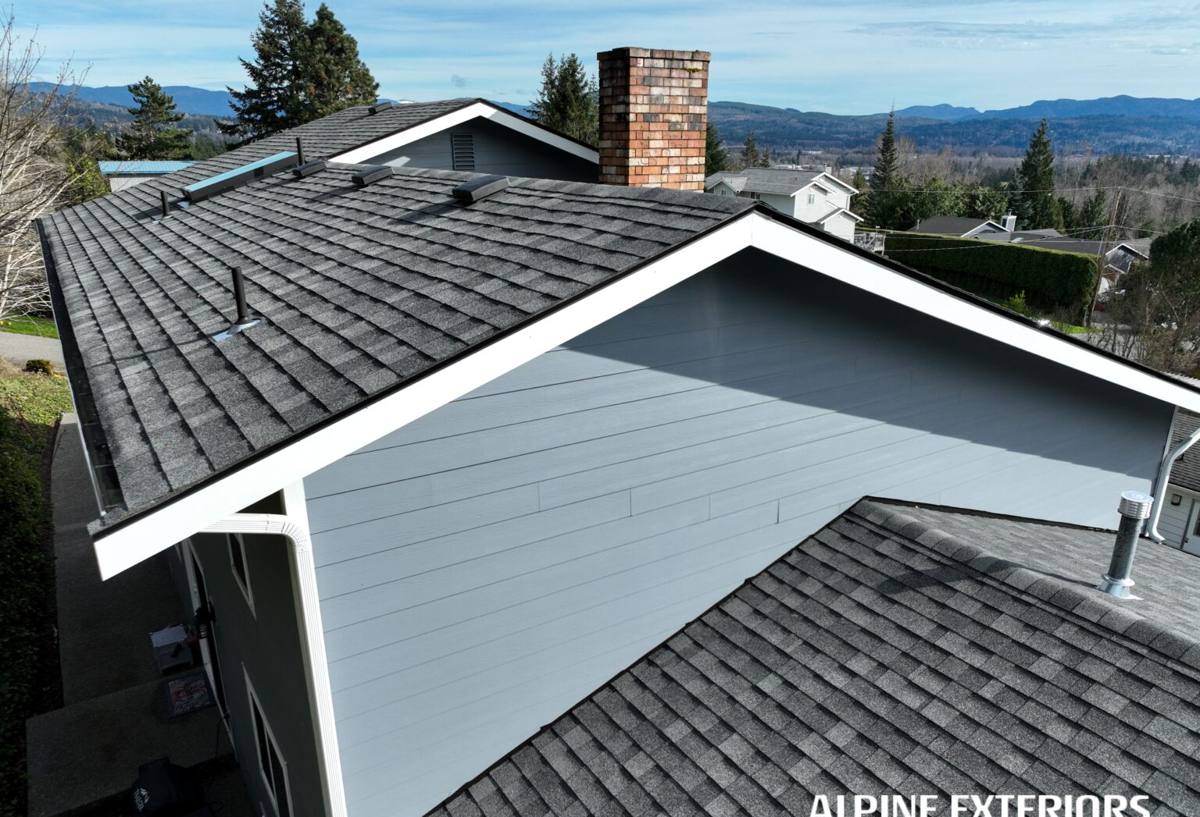
- Flashing at every penetration — chimneys, vents, skylights, and wall-to-roof transitions, which is where the majority of storm leaks actually originate
- Fastener condition, especially on older roofs where nail pops and corrosion loosen the roof's grip during high wind
- Gutter and drainage function, since a storm that overwhelms drainage can back water up under the roof edge
- Attic and interior ceiling checks for moisture staining, even when there's no visible exterior damage yet
Skipping the decking and flashing check is the single most common shortcut in rushed storm repairs, and it's the reason so many "fixed" roofs leak again during the next heavy rain. A shingle repair over a soft or rotted deck section isn't a repair — it's a delay.
Repair vs. Replacement: How We Make the Call
Not every storm-damaged roof needs a full replacement, and we're not going to tell you it does just because that's a bigger job. The honest answer depends on the age of the roof, how widespread the damage is, and what condition the decking and underlayment are in once we actually look.
| Factor | Leans Toward Repair | Leans Toward Replacement |
|---|---|---|
| Roof age | Under 10-12 years, shingles still flexible | Near or past manufacturer's expected service life |
| Damage spread | Localized to one slope or section | Scattered across multiple slopes or the whole roof |
| Decking condition | Solid, dry, no rot found | Soft spots or rot in multiple areas |
| Prior repair history | First or second storm event on this roof | Long history of patches and repeat leaks |
| Insurance scope | Adjuster approves targeted repair | Adjuster or engineer determines full replacement is warranted |
We'll walk you through what we find and why we're recommending one path over the other. If a repair is a legitimate, durable fix, that's what we'll propose — a roof replacement isn't the answer to every storm claim, and we'd rather keep your trust for the next 15 years than push a bigger job you don't need.
Insurance Documentation Done Right
Storm damage claims in Sarasota County live or die on documentation. We photograph and log damage before any repair work starts, note the likely cause (wind, debris impact, wind-driven water intrusion), and provide a written scope that an adjuster can actually use. This matters more in a canopy-heavy neighborhood like The Meadows, where an adjuster might assume debris damage is a homeowner maintenance issue rather than storm-caused unless it's documented clearly and promptly.
What We Provide for Your Claim
- Dated photos of damage, taken before repairs begin
- A written description of probable cause tied to the storm event
- An itemized repair scope and materials estimate
- Direct communication with your adjuster if they have questions about the scope
We're not a public adjuster and we won't pretend to negotiate your claim for you, but we make sure the physical evidence and paperwork on our end support the claim you're filing, not work against it.
Our Process for The Meadows Storm Calls
- Initial contact and priority triage. Active leaks and structural concerns get scheduled first; cosmetic or non-urgent damage gets a firm inspection window.
- On-site inspection. Full roof walk, attic check where accessible, and photo documentation of every affected area.
- Temporary protection if needed. Tarping or emergency sealing to stop active water intrusion while a full repair is scoped and, if applicable, while insurance review is underway.
- Written scope and estimate. Clear line items — what's being repaired, with what materials, and why.
- Repair work. Matching materials as closely as possible to your existing roof, proper flashing and underlayment work (not just surface shingle swaps), and cleanup of debris and old material.
- Final walkthrough. We show you what was done and what to watch for going forward, including any maintenance items specific to tree cover or drainage.
Why Local Storm Experience in The Meadows Matters
A crew that only shows up in Sarasota after a hurricane makes headlines doesn't know this neighborhood's roofs. The Meadows has its own pattern of wear — heavier debris load, more shaded moisture retention, mature landscaping close to structures — and a repair crew that's worked here before knows to check for those specific issues instead of doing a generic shingle patch and moving on. That local pattern recognition is often the difference between a repair that holds through the next tropical system and one that leaks again in six months.
We also know that access matters in a community like this — mature trees and landscaping can complicate ladder placement and equipment staging, and a crew unfamiliar with the property can end up doing avoidable damage to landscaping just getting the job done.
Maintenance That Reduces Storm Damage Before It Happens
- Trim overhanging branches back from the roofline where safely possible
- Clear gutters and valleys of pine needles and leaf debris regularly, not just once a year
- Have flashing and sealant points inspected every year or two, since UV breakdown happens gradually and quietly
- Address minor granule loss or lifted shingles promptly — small issues are cheap to fix and expensive to ignore through a storm season
- Keep an eye on attic ventilation, since poor airflow accelerates deck moisture problems in a shaded, humid environment
None of this eliminates storm risk in Sarasota County — nothing does — but it narrows the gap between a roof that takes a hit and holds versus one that fails at the first weak point.
Get a Straight Answer on Your Roof
If your roof in The Meadows took damage in a recent storm, or you want an honest look before the next one arrives, we're glad to come out for a free, no-pressure estimate. We'll tell you what we actually find, what it means for a repair versus a replacement, and what it would take to get it done right. Fill out the form below to get started.