 Sarasota Siding
 Asphalt Shingle Roofing Built for University Park's Climate
University Park sits in a part of Sarasota County that asks a lot of a roof. The sun is intense and constant, tropical storms and hurricane-force gusts roll through the region most years, and homes close enough to the Gulf pick up salt-laden air that speeds up corrosion on metal fasteners and flashing. An asphalt shingle roof that's installed correctly can handle all of that for two to three decades. One that's installed with shortcuts starts showing problems in five to seven years — granule loss, curling edges, nail pops, and leaks around penetrations. The difference almost always comes down to what happens underneath the shingles, not just the shingles themselves.
We work on homes throughout University Park and the surrounding Sarasota area regularly, which means we already know how the local sun exposure, tree cover, and storm patterns in this part of the county tend to age a roof. That local pattern recognition matters as much as the materials list.
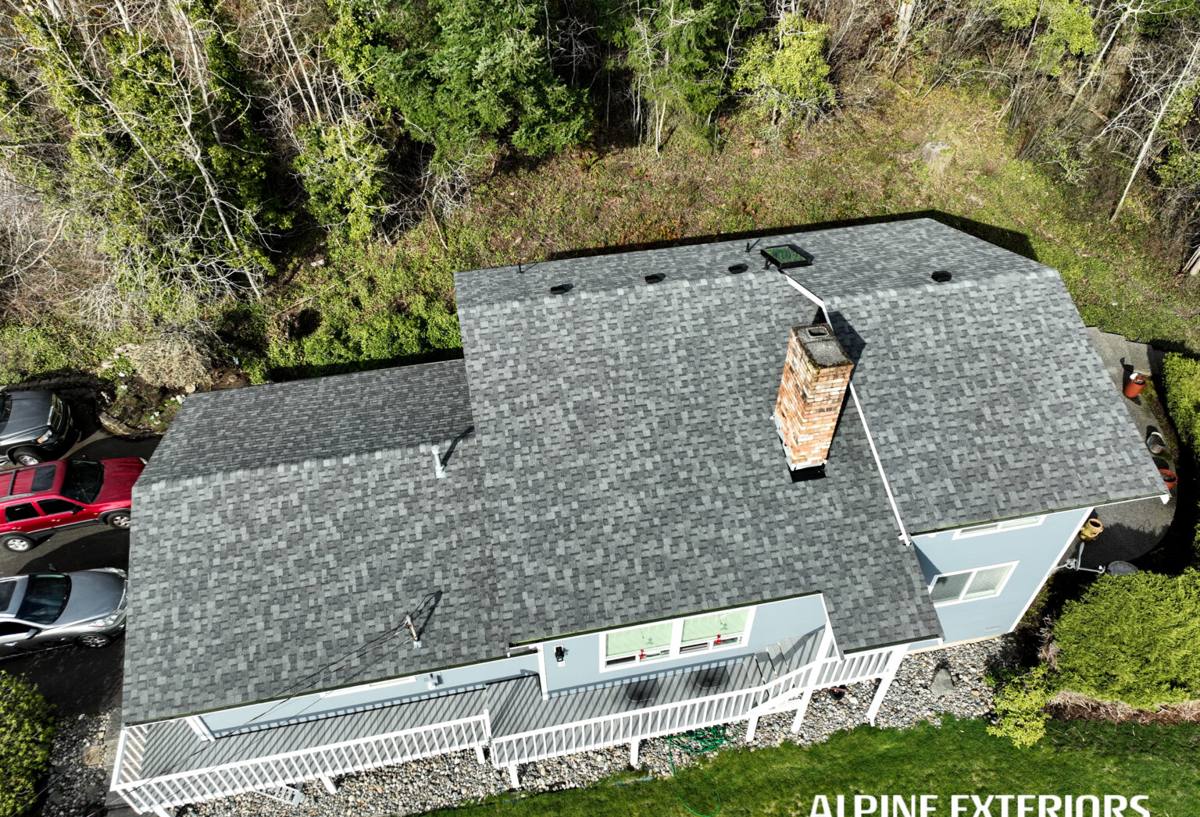
What Sarasota's Climate Actually Does to a Shingle Roof
UV and Heat
Florida sun breaks down the asphalt in shingles faster than almost anywhere else in the country. Heat cycling — hot days, cooler nights, afternoon storms — makes shingles expand and contract, which over years loosens the granules that protect the asphalt mat underneath. Once granule loss gets significant, the shingle ages faster and the roof's ability to reflect heat drops, which can also nudge up attic temperatures and cooling costs.
Wind-Driven Rain and Hurricanes
It's rarely straight-down rain that causes leaks here — it's wind-driven rain pushed sideways and even upward under shingle edges during storms. This is why nailing pattern, sealant strip activation, and starter shingle installation at eaves and rakes matter so much more in Sarasota County than in drier, calmer climates. A roof can look fine from the ground and still be vulnerable at every edge and penetration if those details were rushed.
Salt Air and Humidity
Proximity to the coast means metal components — nails, flashing, vent housings — corrode faster if they aren't rated for coastal exposure. Constant humidity also means any small leak turns into wood rot, mold, or a compromised deck much faster than in a dry climate, so catching problems early isn't optional here — it's how you protect the structure underneath.
What a Correct Asphalt Shingle Roof Job Involves
A shingle roof is a system, not a single product. Every layer has to work together to shed wind-driven rain and survive our storm season. On a proper install or replacement, that system includes:
- A sound, inspected deck — soft or delaminated plywood gets replaced before anything goes back on, not covered up
- A high-quality synthetic or self-adhering underlayment rated for wind and moisture, not builder-grade felt
- Ice-and-water-style membrane or equivalent enhanced protection at valleys, eaves, and other vulnerable transitions
- Proper drip edge and starter strip at every eave and rake, correctly sealed
- Corrosion-resistant flashing at chimneys, walls, skylights, and any roof-to-wall transitions
- Shingles fastened with the correct nail count and placement for the wind zone, not the fastest pattern
- Balanced attic ventilation so heat and moisture can actually escape instead of cooking the deck from underneath
Skip any one of these and the roof may still look right for a while — but it's the parts homeowners can't see that decide whether it survives the next tropical system.
Signs a University Park Roof Needs Attention
Most shingle roof failures don't happen all at once — they build up. Worth checking for, or having a professional check for, especially after a storm season:
- Shingles that look curled, cupped, or are missing granules in patches
- Dark streaking (often algae) or areas that look noticeably different in color or texture from the rest of the roof
- Nail heads visible or shingles that look "raised" instead of lying flat
- Soft spots, sagging, or a spongy feel when walking the roof
- Water stains on interior ceilings, especially near exterior walls or after heavy rain
- Granules collecting in gutters, which signals the shingles are aging or were damaged
- Cracked or lifted flashing around chimneys, vents, or skylights
Some of these are cosmetic and can wait. Others — soft decking, interior stains, lifted flashing — mean water is already getting in and should be looked at promptly, not left for the next storm to make worse.
Shingle Options for Sarasota County Homes
Not every shingle product performs the same way in a hurricane-prone, high-UV climate. Here's how the common options compare for a home in this area:
| Shingle Type | Typical Wind Rating | Best For | Trade-Offs |
|---|---|---|---|
| 3-Tab (Standard) | Lower end of rated range | Budget-conscious replacements | Shorter lifespan under intense Florida sun; less wind resistance |
| Architectural / Dimensional | Mid-to-high range, varies by product | Most Sarasota County homes | Higher upfront cost than 3-tab; strong balance of durability and appearance |
| Impact-Rated / Enhanced Wind | Highest available for shingles | Homes prioritizing storm resilience or insurance credits | Highest material cost; may qualify for insurance discounts that offset it over time |
We'll walk through which category fits your budget, your roof's exposure, and how long you plan to be in the home — there's rarely one "right" answer for every house.
What Drives the Cost of a Shingle Roof in This Area
| Factor | Why It Matters Here |
|---|---|
| Roof size and pitch | More steep or complex roofline means more labor and material |
| Number of valleys, penetrations, and transitions | Each one needs additional flashing and detail work to stay watertight |
| Deck condition | Rot or soft plywood found during tear-off adds material and labor |
| Shingle tier chosen | 3-tab vs. architectural vs. impact-rated changes material cost significantly |
| Ventilation upgrades | Adding or correcting attic ventilation protects the new roof's lifespan |
| Permitting and code requirements | Sarasota County inspections and current wind-zone code apply to every reroof |
We give an honest range after actually seeing the roof — not a phone-quote guess — because these variables change the number more than most homeowners expect.
How Our Process Works
1. Inspection and Honest Assessment
We look at the shingles, the flashing, the deck where accessible, and the attic ventilation, and tell you plainly whether you're looking at a repair or a full replacement. We're not going to sell a full reroof when a targeted repair will genuinely hold.
2. Clear, Written Estimate
You get a written scope of work and price before anything starts — what shingle, what underlayment, what flashing work, and the timeline. No surprise add-ons sprung on you mid-project.
3. Permitting
Reroofs in Sarasota County require a permit and inspection under current Florida Building Code. We handle that process as part of the job so you're not left tracking down paperwork.
4. Tear-Off, Deck Check, and Install
Old roofing comes off, the deck gets inspected board by board, and any compromised plywood is replaced before the new underlayment and shingles go down — in the sequence and with the fastening pattern the product and wind zone actually require.
5. Cleanup and Final Walkthrough
We do a magnetic sweep for stray nails, clean up debris, and walk the finished roof with you before calling the job done.
Why Hiring a Crew That Already Works in University Park Matters
A roofing crew that regularly works this part of Sarasota County isn't guessing at how a home here will age — we've seen how the local sun exposure, storm patterns, and tree canopy in established residential communities like University Park actually play out on real roofs over time. That includes knowing the routine on Sarasota County permitting and inspections, and being mindful that many established communities have architectural guidelines or HOA expectations around roof color and style, which we're glad to work within.
It also means we're a known, findable local business if a question comes up two years after the install — not a storm-chasing crew that was in town for one season and gone.
Protecting the Investment After Installation
A well-installed asphalt shingle roof in this climate still benefits from basic upkeep. A simple homeowner checklist:
- Have the roof visually inspected after any major storm, even if you don't see obvious damage
- Keep gutters and valleys clear of leaves and debris so water can actually drain
- Trim back overhanging tree limbs that hold moisture against the roof surface or drop debris
- Watch for granule buildup in gutters as an early aging signal
- Address small leaks or lifted flashing quickly — in this humidity, small problems don't stay small
- Keep a copy of your roofing permit, warranty, and install documentation for insurance purposes
If you'd like a straightforward, no-pressure look at your roof's condition or a written estimate for a repair or full replacement, we're happy to come take a look. The form below gets you a free estimate with no obligation.