 Sarasota Siding
 Why Board & Batten Fits University Park Homes
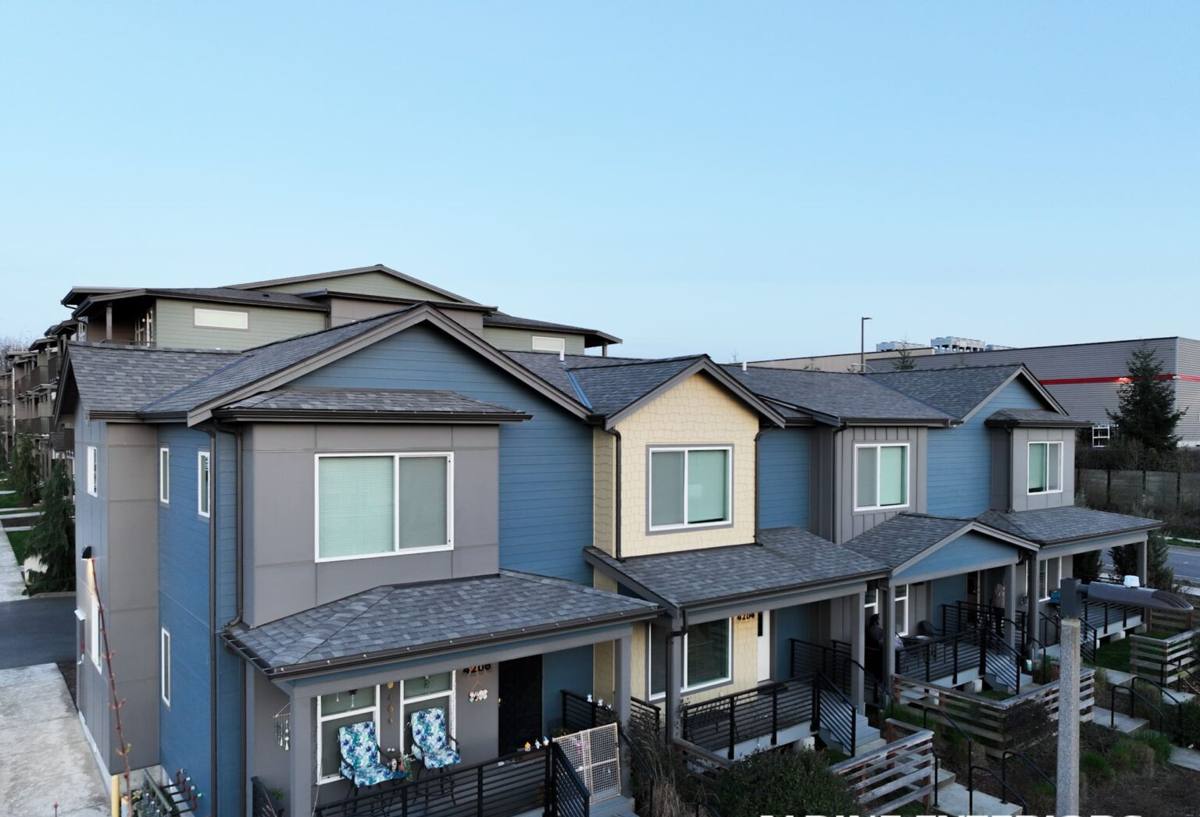
University Park is one of the more polished residential areas in the greater Sarasota market, and the homes reflect it — a mix of coastal, farmhouse-modern, and Craftsman-influenced exteriors where clean vertical lines read as intentional, not accidental. Board and batten siding is a natural fit for that look. The wide boards and narrow battens create strong vertical shadow lines that work well on gables, porch returns, dormers, and full elevations alike, and it pairs cleanly with the stone, brick, and stucco accents common on homes in the area.
It's also a practical choice, not just a stylistic one. Done correctly, board and batten sheds water efficiently along its vertical channels and holds its look over time in a way few other exterior treatments can match in a subtropical climate. The problem isn't the style — it's that board and batten's good looks depend entirely on the material underneath it and how it's installed. Get either wrong in this climate, and the vertical seams that make the style attractive become the first place trouble shows up.
What the Sarasota-Area Climate Does to Vertical Siding
Homes in and around Sarasota County deal with a climate that's hard on any exterior product, and board and batten has more seams and joints per square foot than standard lap siding — which means more places for that climate to find a weakness.
- Hurricane-force wind puts direct pressure and suction on every panel and batten strip. Fastener choice, spacing, and edge attachment matter more here than in milder climates.
- Wind-driven rain gets pushed sideways and upward during storms, which means it can work its way behind battens and through vertical joints that aren't flashed correctly — problems that don't show up until months later as stains or soft sheathing.
- Intense, near-constant UV exposure breaks down paint film, caulking, and unprotected wood fibers faster than in northern climates, especially on south- and west-facing walls.
- Salt air drifting inland from the Gulf accelerates corrosion on fasteners and trim, which is part of why fastener choice isn't a place to cut corners on this coast.
None of that is unique to University Park, but it's why a board and batten job that would hold up fine in a drier, calmer climate can fail early here if it's built with the wrong material or the wrong details.
Why We Only Install James Hardie for Board & Batten
We install one material for board and batten siding: James Hardie fiber cement. Homeowners sometimes ask why we don't offer other options, and the honest answer is that we've made a professional judgment call about what holds up on this coast, and we'd rather turn away work than install something we don't trust on a home's most exposed surface.
Vinyl Board & Batten
Vinyl is affordable and low-maintenance in mild climates, and we're not going to pretend otherwise. But it's a thin, heat-sensitive material, and Florida gives it two problems at once: high heat that causes expansion, warping, and visible waviness over time, and hurricane-force wind that vinyl panels — even wind-rated ones — handle worse than a heavier, mechanically fastened material. Color is baked into the material rather than applied as a durable factory finish, so years of intense UV exposure fade it unevenly, and there's no repainting it back to life without replacement.
Engineered Wood (LP SmartSide-Type) Board & Batten
Engineered wood products have improved and hold paint better than old-school wood siding. But they're still wood-strand products at their core, treated to resist moisture rather than immune to it. In a climate with this much humidity and wind-driven rain, every field cut, fastener hole, and joint is a place moisture can reach the substrate if it isn't sealed and maintained exactly to spec — and that maintenance burden doesn't end after installation; it continues for the life of the siding.
Cedar and Primed Wood Board & Batten
Real wood board and batten looks great when it's new, and we understand the appeal. But it's an organic material in a hot, humid, insect-active climate — it wants to rot, cup, and attract pests, and keeping it looking right means a repainting and recaulking schedule most homeowners underestimate until they're a few years in.
James Hardie fiber cement is a cement and cellulose composite that doesn't share these weaknesses. It's non-combustible, dimensionally stable in heat and humidity, and available with a factory-applied ColorPlus finish that doesn't depend on a homeowner's repainting schedule to keep protecting the substrate. That's the trade-off calculation behind our standard — not brand loyalty, but what we've seen actually last on homes in this climate.
How James Hardie Board & Batten Is Engineered for This Climate
James Hardie builds its siding in regional formulations, and the HZ10 product line used in Florida is specifically engineered for high humidity, heat, and moisture exposure — it isn't the same formulation sold in drier climates. For board and batten applications, that typically means vertical HardiePanel siding installed with Hardie trim battens over the panel joints, giving the classic wide-board-and-narrow-batten look with a fiber cement system underneath instead of a painted surface pretending to be one.
Panels come with a factory-applied ColorPlus finish, which is baked on and backed by its own finish warranty separate from the product warranty on the substrate. That matters in a UV-heavy climate — the finish is engineered to resist fading and chalking under conditions that break down ordinary field-applied paint years sooner. The product is also non-combustible, which isn't a climate feature exactly, but it's a real difference from every wood-based or vinyl alternative.
Siding Options at a Glance
Here's how the common board and batten material choices compare on the factors that actually matter in a Sarasota-area climate.
| Material | Moisture & Rot Resistance | Wind & UV Performance | Ongoing Maintenance | Our Take |
|---|---|---|---|---|
| Vinyl | Doesn't rot, but seams can trap moisture behind panels | Warps in heat; weaker wind performance than heavier materials | Low, but not repairable or repaintable | Not installed by us |
| Engineered Wood (LP SmartSide-type) | Moisture-resistant, not moisture-proof; vulnerable at cuts | Fair wind rating; UV wears down field-applied paint | Ongoing caulk and paint upkeep required | Not installed by us |
| Cedar / Primed Wood | Organic material; rot and insect risk in humidity | Fine wind rating; UV and moisture demand frequent refinishing | High — regular repainting and recaulking | Not installed by us |
| James Hardie Fiber Cement | Cement-based; resists rot, moisture damage, and insects | HZ10 climate-engineered; factory finish resists UV fade | Low — rinse and inspect, no repainting schedule | What we install |
What a Correct Board & Batten Installation Involves
The material is only half the equation — board and batten fails in this climate almost as often from installation shortcuts as from the wrong product choice. Because the style has more vertical seams than lap siding, every one of those seams has to be built correctly or it becomes an entry point for wind-driven rain.
A correct installation includes:
- A properly lapped weather-resistant barrier behind the panels, with flashing integrated at every window, door, and horizontal transition — not caulk used as a substitute for flashing
- Batten spacing and fastening that follows James Hardie's published installation instructions for the HZ10 climate zone, not generic spacing
- Corrosion-resistant fasteners appropriate for coastal/salt-air exposure, driven at the correct depth so panels aren't over- or under-fastened
- Field-cut edges sealed per manufacturer specification before installation, since raw cut edges are the most moisture-vulnerable part of any fiber cement panel
- Proper clearance at the bottom of the wall and around penetrations so water has somewhere to drain instead of wicking upward
- Correct gapping and sealant only at the joints James Hardie specifies — over-caulking every seam can trap moisture instead of keeping it out
Once it's installed correctly, upkeep is minor: an occasional rinse to clear salt air residue and pollen buildup, and a yearly walk-around to check caulking at penetrations. There's no repainting cycle to plan around with the ColorPlus finish under normal circumstances.
What Affects the Cost of Your Project
We don't post fixed prices because board and batten costs vary home to home, but these are the factors that actually move the number:
| Factor | Why It Changes the Price |
|---|---|
| Existing siding removal | Tear-off, disposal, and any sheathing repair found underneath add labor beyond a straight install |
| Wall height and home size | More square footage and multi-story elevations mean more material, labor, and staging time |
| Trim and corner detail | Custom corner boards, window trim, or accent gables take more precision labor than a flat run |
| Batten reveal and spacing | Tighter or custom spacing patterns take longer to lay out and fasten correctly than standard spacing |
| HOA or design review requirements | Color and material approvals can affect timeline and sometimes material selection |
Why a Crew That Already Works in University Park Matters
Board and batten in this climate rewards experience with the specifics of the area, not just fiber cement installation in general. A crew that's worked in and around University Park has a feel for how homes here sit relative to prevailing wind and sun exposure, what kind of HOA or architectural review process to expect before work starts, and the finish-level expectations of a community where exterior details are visible and compared house to house.
That familiarity shows up in small but real ways: knowing to check with the HOA or architectural review board before locking in a color or reveal pattern, planning around the neighborhood's access norms during construction, and being able to walk a homeowner through what an inspection will actually look for in this specific climate zone. It also means we're not learning Florida's coastal fastening and flashing requirements on your house — we're applying what we already know works here.
If you're weighing a board and batten project for a home in the University Park area, we're glad to walk the exterior with you, point out what your current siding and trim are telling us, and lay out honestly what a correct James Hardie installation would involve.
If you'd like a straightforward, no-pressure look at what board and batten siding would take on your University Park home, request a free estimate below — we'll walk the exterior with you and give you a clear, honest read on the project.