 Sarasota Siding
 Composite Decking in University Park: Built for Sarasota's Climate, Not Just Its Looks
A deck in University Park has to survive a different set of conditions than a deck built somewhere inland or up north. Sarasota County sits under intense, nearly year-round UV exposure, takes wind-driven rain off the Gulf, and deals with the occasional hurricane-force wind event. Add in salt-laden air that drifts well inland from the coast, and you have a combination that punishes any decking material that isn't specified and installed correctly. Composite decking handles this environment better than most alternatives, but "composite" isn't a single product — board quality, substructure choice, and installation detail matter as much as the material itself.
This page covers what we actually look at when we build or replace a composite deck for a home in University Park: what the climate demands, what a correct installation involves, and how our process works from first call to final walkthrough.
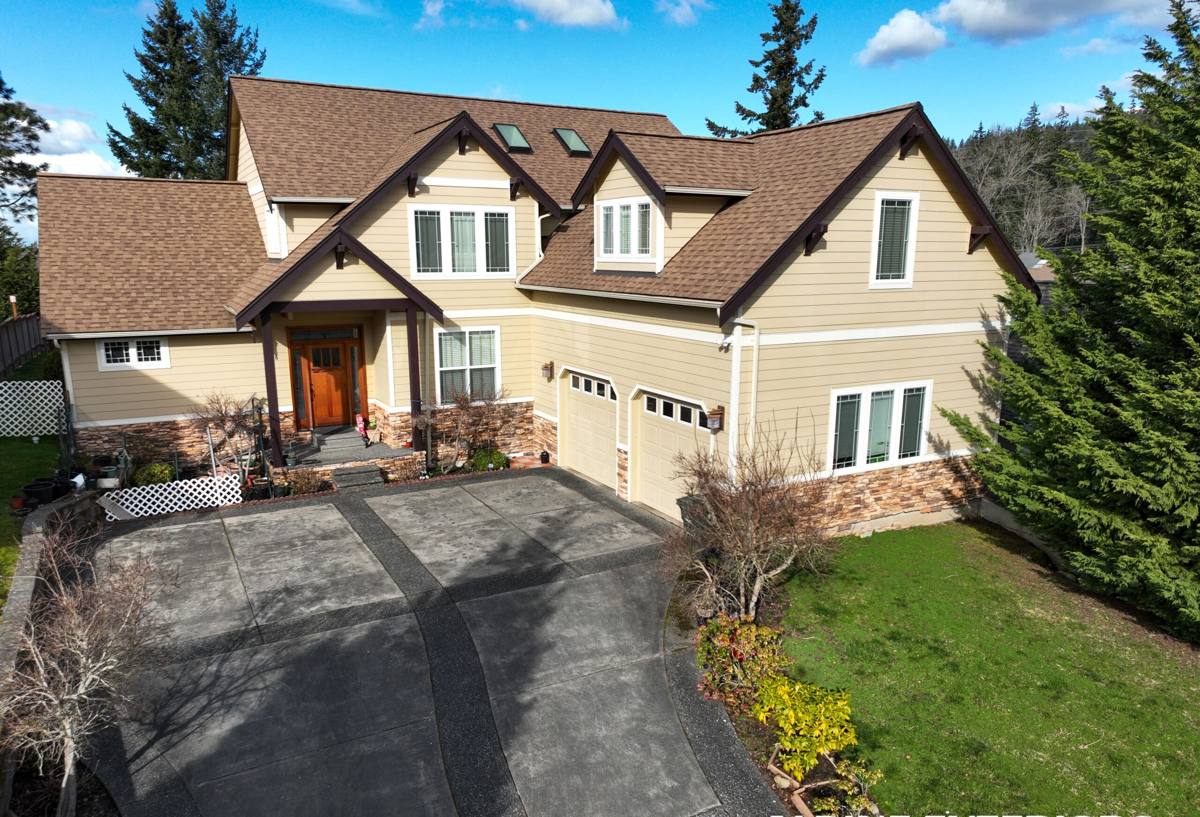
What Sarasota's Climate Actually Does to a Deck
It helps to be specific about the stresses at play, because they drive real decisions in materials and fastening:
- UV exposure — near-constant sun breaks down uncapped or low-grade composite surfaces over time, leading to fading and surface chalking if the board's cap layer isn't built for it.
- Wind-driven rain — water gets forced sideways and upward under railings and along ledger boards, which means flashing and drainage detail matter more here than in drier climates.
- Salt air — even well inland from the coast, airborne salt accelerates corrosion on fasteners, brackets, and any exposed hardware that isn't rated for it.
- Hurricane-force wind — railings, post attachments, and ledger connections need to meet wind-load requirements, not just look sturdy.
- Heat and humidity — dark composite surfaces can get genuinely hot underfoot in direct summer sun, and constant humidity keeps moisture in contact with the substructure longer than in drier regions.
None of this means composite decking is a bad fit for University Park — it's actually one of the better options precisely because it doesn't rot, splinter, or need repainting. But it does mean the installation has to account for all five of these conditions at once, not just the ones that are obvious at first glance.
Composite vs. Other Decking Materials for This Area
Homeowners in University Park usually ask us to compare composite against pressure-treated wood or PVC before deciding. Here's an honest breakdown of the trade-offs as we see them in this climate:
| Material | How it handles Sarasota's climate | Ongoing upkeep |
|---|---|---|
| Pressure-treated wood | Absorbs moisture in humid conditions, which accelerates warping, cupping, and fastener pop over a shorter timeframe than in drier climates | Regular sealing/staining, board replacement as sections weather unevenly |
| Composite (capped) | Cap layer resists UV fading and moisture absorption; performs consistently through humidity swings and salt exposure when installed with corrosion-rated hardware | Periodic washing; no sealing or staining required |
| Composite (uncapped/older-generation) | More prone to surface fading and moisture uptake at cut edges over years of intense UV than modern capped boards | More frequent cleaning; edge sealing recommended at cuts |
| PVC | Fully moisture-resistant, handles humidity and salt air well, though it can flex more in heat and needs careful gapping | Low; occasional cleaning |
We don't push one material as universally "best" — we size the recommendation to your budget, how the deck will be used, and how much sun and moisture that particular spot on your property actually gets.
Why We're Selective About Board Grade
Not all composite boards are built the same, and this is where a lot of decks underperform. Our standard is to use capped composite boards from manufacturers with a track record in hot, humid, coastal-adjacent climates, and we're upfront when a lower-grade or older-style board isn't a good fit for a full-sun, salt-air lot — that's a maintenance and longevity call, not a knock on any single brand.
What a Correct Composite Deck Installation Involves
The board itself is maybe half the equation. The other half is substructure and fastening, which is where most premature deck failures actually originate — and where it's hardest for a homeowner to inspect after the fact.
Substructure
Joists and framing need to be rated for exterior, humid-climate use, with proper spacing for the specific composite board being installed (composite typically requires tighter joist spacing than wood to avoid deflection). Ledger board attachment to the house needs correct flashing so wind-driven rain doesn't track behind it into the wall structure.
Fasteners and Hardware
In a salt-air environment, standard fasteners corrode faster than they would inland. We use stainless steel or coated fasteners rated for coastal exposure, along with hidden fastening systems where the board manufacturer supports them, for a cleaner surface and fewer penetration points for water.
Ventilation and Drainage
Composite decking needs airflow underneath to manage humidity and prevent moisture from sitting against the substructure. We grade and gap the substructure so water sheds properly instead of pooling, which matters more here given how much rain Sarasota gets in a typical wet season.
Railings and Wind Load
Post attachment points need to meet wind-load requirements for our area, not just meet a minimum aesthetic standard. This is one of the most common shortcuts we see on decks that weren't built to local code.
Our Process, Start to Finish
- On-site assessment — we look at your existing deck or planned footprint, sun exposure, drainage, and how the space is used before recommending anything.
- Honest material recommendation — based on your budget, sun exposure, and how long you want the deck to last with minimal upkeep.
- Written estimate — a clear scope of work and price, no vague allowances.
- Permitting — we handle the permit application and inspection scheduling required for Sarasota County/City of Sarasota jurisdiction, as applicable to your address.
- Demo (if replacing an existing deck) — removal of old decking and inspection of the substructure underneath, since that's often where hidden problems show up.
- Installation — substructure first, then decking, railings, and any stairs or trim.
- Final walkthrough — we go over the finished deck with you and answer maintenance questions before we consider the job done.
If Your Lot Backs to Water, a Fairway, or a Preserve
A number of properties in this part of Sarasota back up to a lake, golf course fairway, or preserve area rather than another yard. That kind of lot often gets more direct sun exposure across the deck surface for a larger part of the day, along with more exposure to irrigation overspray and standing humidity near the ground. It's worth telling us up front if this describes your property — it can affect board color choice (darker boards absorb more heat), spacing at the substructure, and how we handle drainage at the low end of the deck.
Board Color and Heat Underfoot
In direct Florida sun, darker composite boards can get noticeably hot underfoot in mid-summer afternoons — something worth factoring in if you plan to walk the deck barefoot regularly or have young kids or pets using it. Lighter and mid-tone colors run cooler and also tend to show less visible fading over time in intense UV compared to very dark tones. We'll talk through this trade-off against the look you're going for before you commit to a color.
Maintaining a Composite Deck in This Climate
Composite decking is low-maintenance, not no-maintenance. In Sarasota's climate, a simple seasonal routine keeps a deck performing the way it's supposed to for the long haul:
- Rinse or wash the surface periodically to clear salt residue, pollen, and organic buildup before it stains the board
- Check railings and post connections after any major storm for looseness
- Keep gutters and downspouts near the deck clear so water isn't dumping directly onto or under it
- Inspect fastener heads and hardware annually for corrosion, especially if the deck is closer to the coast
- Clear leaves and debris from between boards and around drainage gaps so airflow underneath isn't blocked
- Watch for any soft spots or movement in framing if the deck is more than a few years old
Permits, Codes, and Working in This Community
Deck construction and replacement in Sarasota County typically requires a permit, along with inspections tied to structural and wind-load requirements. If your property is part of an HOA-governed community, there may also be design review requirements around materials, colors, or railing style before work begins. We handle the permitting side and can work within HOA submission requirements — that's part of why local experience matters: it's one less thing you have to manage yourself.
Why a Crew That Already Works in University Park Matters
A contractor who already has projects in this neighborhood knows the practical realities that don't show up in a spec sheet — how sun exposure varies lot to lot, what drainage patterns look like on the ground here, and what the local permitting and inspection process actually requires. That local familiarity means fewer surprises during the project, a more accurate estimate up front, and a deck that's built for the specific conditions of your address rather than a generic template.
If you're planning a new composite deck or replacing an aging one in University Park, we're happy to take a look and give you a straightforward, no-pressure estimate — just fill out the form below.