 Sarasota Siding
 Composite Decking Built for Venice's Gulf Coast Conditions
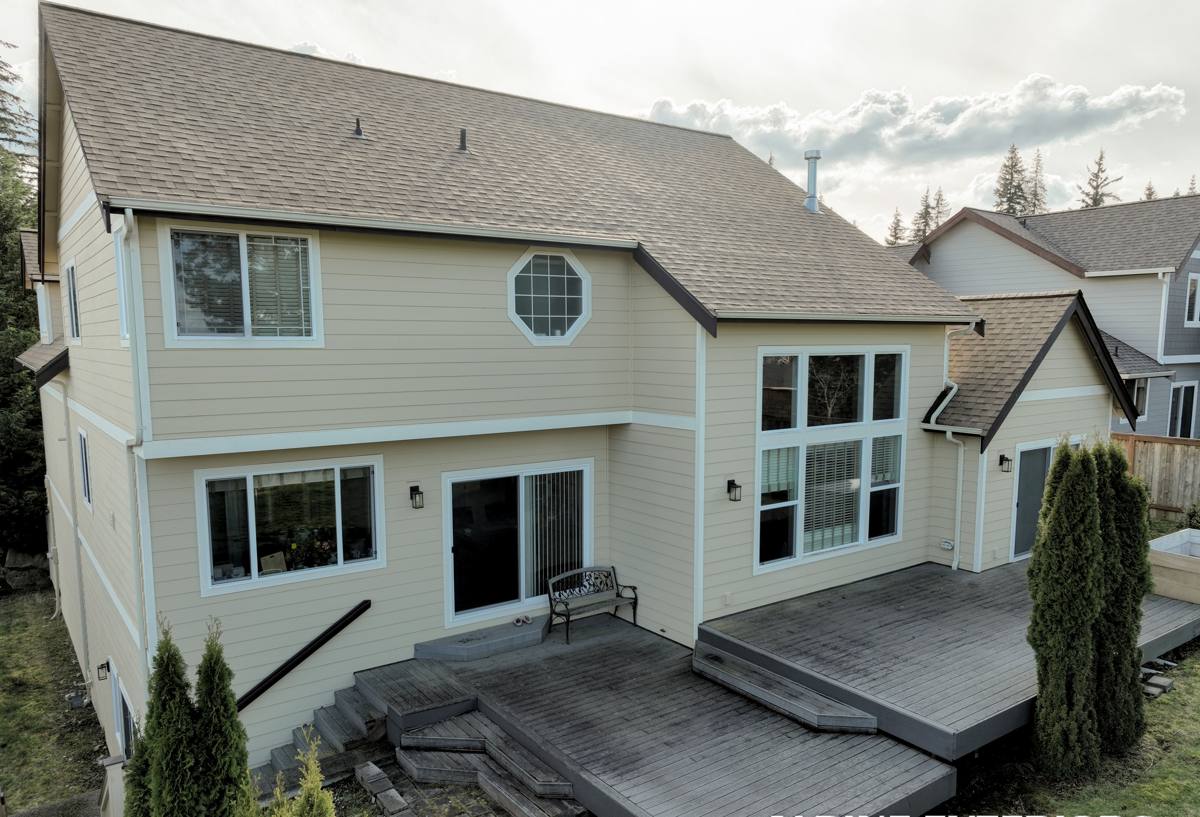
Venice sits close enough to the Gulf that salt air, humidity, and intense sun are part of daily life for any outdoor structure. A deck here isn't just furniture for the backyard — it's a surface that gets baked by UV for most of the year, soaked by wind-driven rain during summer storms, and occasionally tested by hurricane-force gusts. Composite decking has become the go-to choice for homeowners in this part of Sarasota County because it's engineered to handle exactly that combination of stressors better than most traditional materials, but only when it's specified and installed correctly for the environment it's going into.
This page covers what composite decking actually needs to hold up in Venice, what a correct installation looks like, and how our process is built around the realities of working on the Gulf coast rather than a generic install checklist.
What Venice's Climate Actually Does to a Deck
Before getting into products and installation, it helps to understand what's working against a deck in this area:
- UV exposure: Florida sun is intense nearly year-round, and it fades color, breaks down surface fibers, and dries out lesser-quality composite boards faster than in most of the country.
- Wind-driven rain: Storms here don't just drop rain straight down — wind pushes moisture sideways and up under boards, into fastener holes, and against ledger connections.
- Salt air: Even away from the immediate waterfront, airborne salt corrodes unprotected metal fasteners, brackets, and hardware over time.
- Humidity and moisture cycling: Boards expand and contract with heat and humidity swings, and any structure that isn't detailed for that movement will eventually show gaps, warping, or fastener pop.
- Hurricane-force wind loads: Structural connections — ledger boards, joist hangers, railing posts — need to be rated and fastened for uplift and lateral load, not just vertical weight.
None of this is unique to Venice, but it's more concentrated here than in most of the country, which is why decking that performs fine elsewhere sometimes underperforms on the Gulf coast.
Why Composite Decking Fits This Environment
Composite decking is made from a blend of wood fiber and recycled plastic, usually with a protective polymer cap on modern boards. Compared to natural wood, it doesn't need staining or sealing, doesn't splinter, and resists rot and insect damage — all of which matter more in a humid coastal climate than in a dry one. The plastic cap on capped composite boards also does the heavy lifting against Sarasota's UV load and blocks moisture from soaking directly into the board core, which is the main way wood decking fails here.
That said, composite isn't maintenance-free, and it isn't automatically the right call for every budget or every application. Part of our job is being straight with homeowners about what composite does well, where PVC or a well-detailed wood deck might make more sense, and what the real cost and upkeep differences are.
Composite vs. Wood vs. PVC — How They Compare in a Coastal Climate
| Material | UV/Fade Resistance | Moisture & Salt Air Resistance | Maintenance | Typical Lifespan Here |
|---|---|---|---|---|
| Capped Composite | Good to very good, depends on brand | Strong — capped boards resist swelling and staining | Occasional wash-down, no staining/sealing | 25-30+ years with proper install |
| Natural Wood (e.g. pressure-treated pine) | Fades and grays without upkeep | Vulnerable to rot, splitting, insect damage in humidity | Regular sealing/staining, board replacement over time | 10-15 years typical, shorter if neglected |
| Cellular PVC | Very good | Excellent — fully synthetic, no wood fiber to absorb moisture | Low, similar to composite | 25-30+ years |
Composite sits in the middle in terms of upfront cost, usually landing between treated wood and PVC, while offering most of the low-maintenance benefit of PVC with a more natural wood-grain look that a lot of homeowners prefer for their outdoor living space.
What a Correct Composite Deck Installation Involves
The board itself is only part of the equation. Most of the composite deck problems we see called out for repair in this area trace back to installation shortcuts, not the material failing on its own. A correct job includes:
Substructure and Framing
Composite is heavier than wood-only framing sometimes accounts for, and joist spacing needs to match the specific board manufacturer's span rating — not a generic rule of thumb. In a wind zone like ours, framing also needs hardware rated for uplift, not just standard deck screws.
Ledger Attachment and Flashing
Where the deck attaches to the house is the single most common failure point on any deck, and it's where wind-driven rain does the most damage if it's not flashed correctly. Proper ledger flashing keeps water from tracking behind the board and into the house structure.
Fastener and Hardware Corrosion Resistance
Given the salt air here, we use fasteners and structural hardware rated for coastal or corrosive environments, not standard interior-grade hardware. This is a detail that's invisible once the deck is finished but matters enormously five and ten years down the road.
Expansion Gaps and Ventilation
Composite boards expand and contract with heat and humidity. Gaps between boards and around fixed objects (posts, house walls, planters) need to be sized correctly so the deck doesn't buckle in the Florida heat. Airflow underneath the deck also matters for moisture management, especially on lower-clearance decks.
Railing and Guard Systems
Railing posts carry real lateral load in a storm, and post attachment needs to be engineered for that, not just screwed to the rim joist. This is one of the areas most likely to be under-built on a budget install.
Our Process for Venice Composite Decking Projects
We work throughout Sarasota County, including Venice, and our process is built around the practical steps that actually determine how a deck performs here, not just how it looks on install day:
- On-site assessment: We look at the existing structure (if replacing a deck), grade and drainage around the footprint, sun exposure, and any code or permitting considerations specific to the property.
- Material selection: We walk through composite board options with you based on your budget, style preference, and how much sun/weather exposure the specific deck location gets.
- Structural plan: Framing, ledger attachment, and hardware are specified for wind load and coastal corrosion resistance before any boards go down.
- Installation: Framing, flashing, decking, and railing installed to manufacturer specifications and local code, with attention to expansion gaps and fastening patterns.
- Final walkthrough: We go over care basics and answer questions before we consider the job done.
Cost Factors for a Venice Composite Deck
Composite decking costs vary based on several factors, and it's worth understanding them before comparing quotes:
| Factor | Why It Affects Cost |
|---|---|
| Board tier/brand | Entry-level composite costs less upfront but generally has thinner caps and shorter warranties than premium lines |
| Deck size and shape | Cutouts, curves, and multi-level designs increase labor and material waste |
| Substructure condition | Replacing an existing deck may require new or reinforced framing, which adds cost but is not optional if the old structure is compromised |
| Railing and stair systems | Composite or aluminum railing systems cost more than basic wood railing but match the low-maintenance profile of the decking |
| Height and access | Elevated decks require more structural engineering and stairs, both of which add labor |
We give straightforward, itemized estimates so you can see where the money is going rather than a single lump-sum number.
Maintaining a Composite Deck in a Gulf Coast Climate
Composite is low-maintenance, not no-maintenance. A simple seasonal routine keeps it looking and performing the way it should:
- Rinse or sweep off debris, pollen, and organic buildup regularly so it doesn't stain the board surface
- Wash with mild soap and water a few times a year to remove salt film and grime
- Check railing posts and stair connections periodically for looseness after major storms
- Keep gutters and downspouts near the deck clear so runoff isn't dumping extra water onto the structure
- Trim back vegetation that holds moisture against the deck edge or blocks airflow underneath
Why It Matters to Hire a Crew That Already Works in Venice
Deck installation looks similar on paper everywhere in the country, but the details that make a deck last in Sarasota County are specific to this climate: which hardware resists salt corrosion, how ledger flashing needs to handle wind-driven rain, and how framing needs to be rated for hurricane-force gusts. A crew that installs decks primarily in drier, calmer climates may not default to those details unless a homeowner specifically asks. Working regularly in Venice and the surrounding area means we build coastal-grade detailing into the process by default, not as an upsell.
Get a Free Estimate for Your Venice Composite Deck
If you're planning a new composite deck or replacing one that's showing its age, we're happy to take a look and walk you through honest options for your property, your budget, and Venice's climate. Use the form below to request a free, no-pressure estimate.