 Sarasota Siding
 Building a Deck That Actually Holds Up in Venice
Venice sits right on the Gulf, and that location is exactly why decks here fail faster than decks built the same way fifty miles inland. Salt-laden air, near-constant UV exposure, wind-driven rain, and the real possibility of hurricane-force gusts all work on a deck at the same time, year-round. A deck built to a generic national spec might look fine for a season or two, but the fasteners start weeping rust stains, the boards cup and crack, and the railing posts loosen before the homeowner even gets a full return on the investment. Building correctly for Venice isn't about upselling premium materials — it's about matching the structure to the environment it actually lives in.
This page covers what a custom deck build should look like specifically for Venice homes: the materials that make sense here, the framing details that matter more on the coast, the permitting realities of Sarasota County, and what our process looks like from first estimate to finished project.
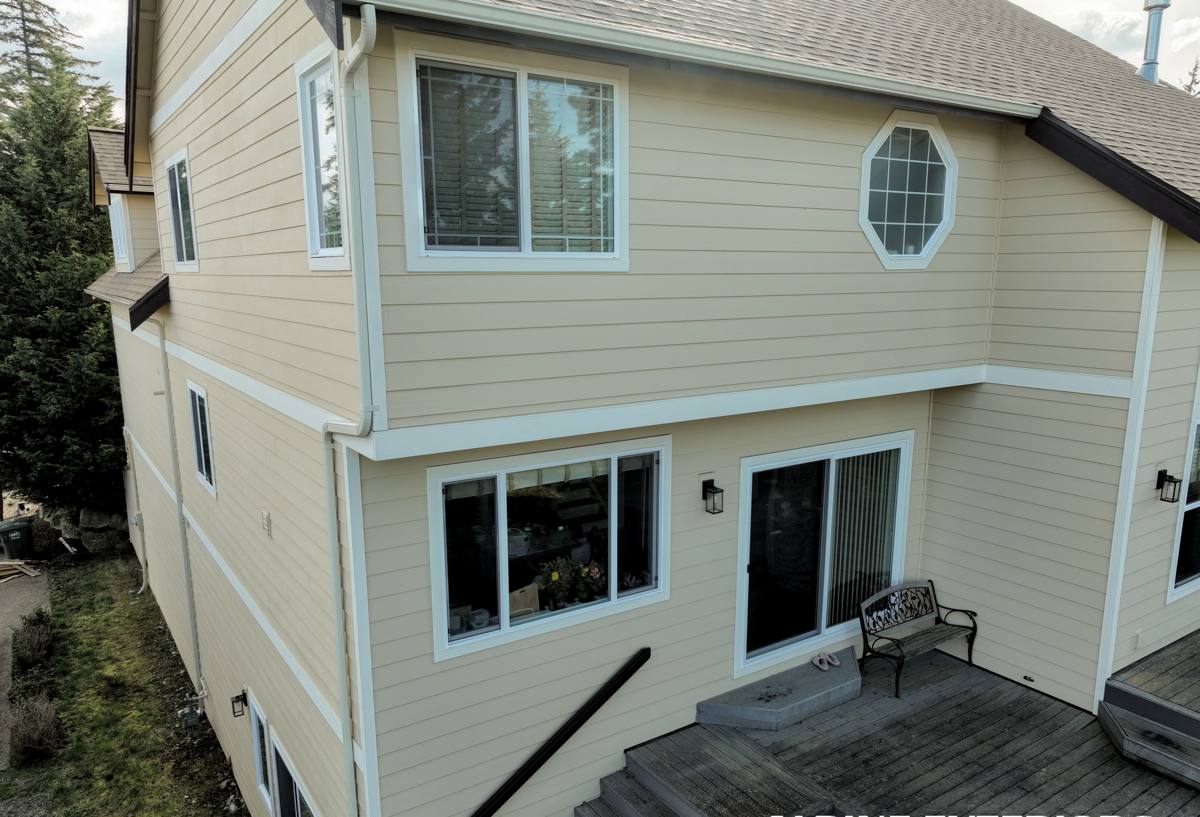
What Salt Air, Sun, and Storms Do to a Deck Over Time
UV and Fading
Florida sun is intense nearly every month of the year, not just in summer. Wood decking without a rigid maintenance schedule will gray and check within a couple of seasons. Composite and PVC boards handle UV better than raw wood, but not all composite is engineered the same way — cheaper capped products can still fade unevenly on the sun-facing side of a deck versus the shaded side underneath an overhang.
Moisture and Fasteners
Wind-driven rain finds its way into every joint, and combined with salt air, ordinary steel fasteners corrode fast. Once a fastener starts rusting inside a board, it weakens the connection long before there's any visible sign on the surface. This is one of the most common failure points we see on decks that were built with builder-grade hardware instead of coastal-rated fasteners.
Wind Uplift
A deck attached to a house has to resist wind trying to lift it, not just the weight of people standing on it. Ledger board attachment, joist hangers, and post connections all need to be rated for uplift forces, not just static load. This matters more for an elevated deck or one attached near a roofline than it does for a simple ground-level patio deck.
Choosing the Right Decking Material for Venice Homes
There's no single "best" decking material — there's the material that fits your home, your budget, and how much upkeep you actually want to do. Here's an honest comparison of the three options we install most often on the Gulf coast.
| Material | Moisture & Salt Resistance | Maintenance | Typical Lifespan | Relative Cost |
|---|---|---|---|---|
| Pressure-treated wood | Fair — needs sealing to perform well near salt air | Annual cleaning and re-sealing | 10-15 years with upkeep | Lowest upfront |
| Capped composite | Good — resists rot, but check fastener and cap quality | Occasional washing, no sealing | 20-25 years | Mid-range |
| PVC decking | Excellent — fully synthetic, unaffected by moisture | Minimal, occasional washing | 25+ years | Highest upfront |
Wood remains a reasonable choice for homeowners who want the lowest entry cost and are willing to stay on top of sealing every year or two. For most Venice homeowners, especially anyone near a canal or within a few blocks of open water, composite or PVC decking earns its higher price back in avoided maintenance and a longer service life. We'll walk through the real trade-offs for your specific home and budget rather than steering you toward whatever has the best margin — that's a conversation, not a script.
Framing and Fasteners: The Part Nobody Sees But Everyone Relies On
The decking boards get all the attention, but the framing underneath is what determines whether a deck lasts 10 years or 25. For coastal builds we pay particular attention to:
- Stainless steel or coated fasteners rated for coastal/marine exposure, not standard galvanized
- Joist tape or flashing on top of framing lumber to stop water from sitting in end grain
- Hot-dip galvanized or stainless joist hangers and post bases
- Proper ledger flashing where the deck attaches to the house, to keep water from tracking behind siding
- Post bases set above grade or on proper footings so wood isn't sitting in standing water after heavy rain
None of this is visible once the decking goes down, which is exactly why it's the part most likely to get cut on a lowball bid. It's also the part that determines whether you're calling someone back in five years about soft spots and rust streaks.
Permitting, Wind Load, and Sarasota County Requirements
Deck construction in Sarasota County requires a permit and has to meet Florida Building Code wind load requirements for our zone, which reflects the real risk of hurricane-force wind events here. This affects footing depth, post sizing, railing attachment, and how the deck ties back into the house structure. Skipping the permit process might save a little time up front, but it creates real problems later — unpermitted structures can complicate a home sale, cause issues with insurance claims after storm damage, and in some cases have to be removed or reworked to pass a retroactive inspection. We pull the proper permits and build to code as a matter of course, not as an upsell.
Waterfront and Canal-Front Considerations
A lot of Venice properties sit along canals or within a short distance of the water, which adds a few extra considerations beyond a standard backyard deck. Elevation and drainage matter more when a yard floods during heavy rain events, and any deck near brackish or salt water benefits from the more corrosion-resistant hardware and fastener choices covered above. If your deck will be used for direct water access — steps down to a dock or seawall, for example — the transition point needs to be planned and framed correctly from the start, since retrofitting it later is far more disruptive than building it in from day one.
Our Process, Start to Finish
Every custom deck we build in Venice follows the same basic sequence, adjusted for the specifics of your property:
- On-site assessment. We look at your home's structure, the yard's grade and drainage, sun exposure, and proximity to water or salt air, then discuss how you actually plan to use the space.
- Design and material selection. We talk through decking material, railing style, and layout honestly, including cost trade-offs, so you're choosing based on real information.
- Permitting. We handle the permit application and make sure the design meets current wind load and code requirements for Sarasota County.
- Framing and structural work. This is where the coastal-rated fasteners, flashing, and hardware choices covered above actually get built in.
- Decking, railing, and finish work. Boards, railings, stairs, and any lighting or built-in features go in last.
- Final walkthrough. We go over the finished deck with you and cover basic maintenance specific to the material you chose.
Maintaining Your New Deck in This Climate
Even a well-built deck needs some ongoing attention in a coastal environment. A simple seasonal routine goes a long way:
- Rinse salt residue and debris off the deck surface every few weeks, more often if you're close to open water
- Check railing posts and stair connections twice a year for any looseness
- Clear leaves and organic debris from between boards so moisture doesn't sit trapped
- For wood decks, plan on cleaning and re-sealing on a regular schedule rather than waiting until it looks bad
- After any major storm, do a quick visual check of fasteners, railings, and footing areas before heavy use resumes
None of this is complicated, but skipping it is how a well-built deck starts to look and perform like a poorly-built one within a few years.
Why a Crew That Already Works in Venice Makes a Difference
A contractor who works across Sarasota County regularly already knows the wind load requirements, the local permitting process, and which fastener and framing choices actually hold up against Gulf coast salt air and sun — instead of learning it on your project. That familiarity shows up in fewer surprises during permitting, fewer callbacks for corrosion or fastener issues down the road, and a build that's sized correctly for the way weather actually behaves here rather than a generic national standard.
If you're considering a custom deck for your Venice home, we're happy to walk your property, talk through material options honestly, and put together a straightforward estimate — no pressure, no obligation. Use the form below to get started.