 Sarasota Siding
 "Custom windows" covers more ground than most homeowners expect. It's any window that isn't a standard stock size or shape pulled off a manufacturer's shelf — an odd-sized opening in an older Venice home, a bay or bow window built out from an exterior wall, an arched or picture window sized for a newer build, or a replacement that has to match an opening nothing in a catalog quite fits. In Venice, where the housing stock ranges from older construction near the Gulf to newer neighborhoods further inland, we run into all of these situations regularly, and each one adds a coastal Florida weatherproofing problem on top of the fit problem.
Why Venice Homes End Up Needing Custom Windows
A few things push a window project out of stock-size territory here more often than in an inland market. Older homes in and around Venice were often framed to whatever dimensions made sense decades ago, before window manufacturers standardized common sizes — a straight replacement can mean reframing the opening or ordering a custom unit built to the existing dimensions. Additions, enclosed lanais converted to conditioned space, and renovations all create openings that don't match anything original to the house. And a number of homes in this area were designed with picture windows, bay windows, or larger openings meant to take advantage of water views or natural light, none of which are stock sizes to begin with.
None of that is unusual work for us — it's a routine part of window projects in Sarasota County. But it changes how the project starts: careful measurement of the actual opening, an honest conversation about what's structurally possible, and realistic expectations on lead time, since a custom unit is built to order rather than pulled from a warehouse shelf.
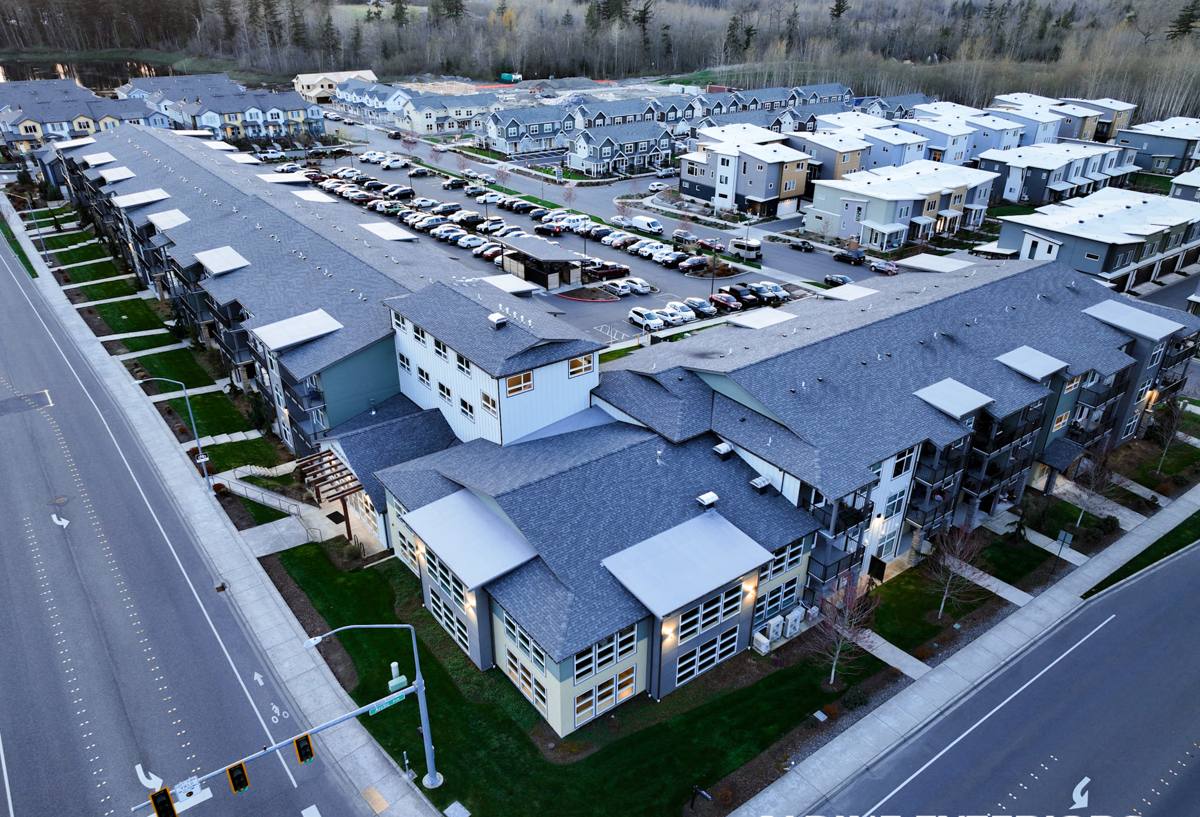
What Gulf Coast Conditions Do to a Window Installation
Venice sits on the Gulf coast in Sarasota County, and that location puts real demands on a window installation that manufacturers' generic guidance doesn't fully account for. Hurricane-force wind is a design condition here, not a rare event — window assemblies and their surrounding wall connections need to hold up under real storm loads, not just everyday weather. Year-round UV exposure is intense and constant, which breaks down lower-quality frame materials, seals, and finishes faster than in most of the country. Wind-driven rain during storms pushes water sideways into wall assemblies instead of letting gravity carry it down and away, finding gaps that would never get tested in a calmer climate. And salt air off the Gulf works continuously on hardware, fasteners, and any exposed metal, accelerating corrosion whether or not a storm ever comes through.
Custom windows raise the stakes on all of that. A larger picture window or a bay window projection has more perimeter that needs to be flashed correctly, more glass area for wind load to act against, and often a more complex sill or roof detail where water can collect if it isn't built right. An arched or specialty-shaped opening has curved or angled cuts in the wall assembly that are harder to flash cleanly than a simple rectangle. None of this means custom windows are a poor fit for Venice — it means the installation has to account for the added complexity instead of treating it like a routine stock swap.
Where the Risk Actually Lives
It's rarely the glass or the frame material itself that fails first on a custom unit in this climate. It's the transition points — where a bay window's roof ties into the main wall, where a wide picture window sill meets the siding below it, where an arched top gets cut into the wall assembly. Those spots need extra flashing attention, and they're also the spots a rushed or inexperienced install is most likely to shortcut, because they take more time than a standard rectangular opening.
Custom Window Types We Build For
Custom doesn't mean one thing — the approach changes depending on what's actually being built or replaced.
- Non-standard replacement sizes — matching an existing opening in an older Venice home that predates modern window sizing standards
- Bay and bow windows — projecting units that add interior space and views but require their own roof, support, and flashing system
- Picture and large-format windows — fixed units used to maximize a water or garden view, with more glass area to manage structurally under wind load
- Arched, angled, or specialty-shaped openings — architectural details that require custom-cut units and correspondingly custom flashing details
- Lanai and enclosure conversions — window openings created when a screened or open lanai is converted into conditioned living space
- Egress and code-driven openings — bedroom or addition openings where the size is set by code minimums rather than convenience
- Matched sets for additions — new windows that need to sightline correctly with existing windows elsewhere on the house
What a Correct Custom Window Job Involves
A correct installation on a custom unit is a different sequence than a same-size swap, and skipping steps is exactly where problems show up later.
- Accurate field measurement — the actual opening, not an assumed stock dimension, drives what gets ordered
- A structural check where it's warranted — bay windows, oversized picture windows, and enlarged openings sometimes need added framing support before the unit goes in
- Confirming wind load and impact requirements — Sarasota County's coastal wind-borne debris requirements apply to replacement and new window openings, and the unit specified needs to meet what the local building department requires for this property
- Permitting — most window replacement and new-opening work in Venice requires a permit; skipping this step can create problems at resale or with insurance
- Removal and opening prep — checking the rough opening for rot, prior flashing failures, or out-of-square framing before the new unit is set
- Flashing to shed water outward and down — sequenced correctly with the surrounding wall covering, not just caulked and hoped for
- Setting, shimming, and fastening the unit — square, plumb, and fastened to the schedule the unit's rating actually requires
- Interior and exterior finish work — trim, sealant, and touch-up that leaves the opening looking finished, not just functional
Skip the structural review on a bay window and it can sag or pull away from the wall over time. Skip careful flashing sequencing on an arched opening and water finds its way in during the next wind-driven rain event, often well before it's visible from inside.
Frame Materials and Glass for This Climate
Frame material and glass choice matter more here than in a milder climate, since a larger or more exposed custom window has more surface area for salt air, UV, and wind to work against. We'll walk through the honest trade-offs for your specific opening rather than defaulting to whatever's easiest to install.
| Option | Strengths | Trade-Offs |
|---|---|---|
| Vinyl frames | Cost-effective, low maintenance, resists salt corrosion well since there's no metal to rust | Can be limited in custom color and larger structural spans compared to other materials |
| Fiberglass frames | Strong dimensional stability in heat, holds up well to UV and coastal moisture | Higher upfront cost than vinyl |
| Aluminum frames | Strong for large spans and impact-rated assemblies, common in Florida coastal construction | Conducts heat, needs a quality finish to resist corrosion from salt air over time |
| Impact-rated glass | Meets wind-borne debris requirements without separate shutters, stays in place if broken | Higher cost than standard glass, heavier units on larger custom sizes |
| Standard glass with code-approved shutters | Lower window cost, shutters used only when needed | Requires deploying shutters before a storm and storage for panels between uses |
Costs and Trade-Offs: Custom vs. Stock
We won't quote a number without seeing the actual opening, but the factors that move price on custom window work are consistent from job to job.
| Factor | Why It Matters |
|---|---|
| Size and glass area | Larger units cost more to manufacture and are heavier to install correctly |
| Shape complexity | Arched, angled, or bay/bow units require specialty manufacturing and more flashing labor |
| Impact rating | Impact-rated glass or frames cost more than standard, non-rated units |
| Structural work | Bay and bow windows, or enlarged openings, sometimes need added support framing |
| Opening condition | Rot, prior flashing failures, or out-of-square framing add repair work before the new unit goes in |
| Number of units | A matched set for an addition or lanai conversion typically has better per-unit economics than a single window |
Lead time is the other real difference: stock windows are often available quickly, while custom units are built to order and typically run weeks rather than days, depending on size and complexity. We'll give you a realistic timeline once we know what's actually being ordered.
Our Process
- Site visit and measurement — we look at the actual opening, the wall assembly, and any structural questions before recommending anything
- Product and material discussion — honest trade-offs between frame material, glass, and impact protection options for that specific opening
- Written estimate — scope, materials, and realistic timeline in plain terms
- Permitting — handled as part of the job, not left for the homeowner to sort out
- Installation — proper flashing sequence, correct fastening schedule, and finish work
- Final walkthrough — we confirm the operation, seal, and finish before calling it done
Why Hiring a Crew That Already Works Venice Matters
Manufacturer installation guides are written for average, standard-size conditions in a generic climate. Custom windows in Venice rarely match that description, and neither does the climate here — hurricane-force wind, intense year-round UV, wind-driven rain, and salt air all stack the deck against a shortcut installation more than they would in a milder, inland market. A crew that has actually built out bay windows, flashed arched openings, and permitted custom work through Sarasota County before knows which parts of the manufacturer's guidance are non-negotiable in this environment and where extra time on flashing or fastening is worth it even when it's not strictly demanded elsewhere.
That experience shows up in decisions that don't make it into a sales pitch — how a bay window's roof ties into the main wall's water management, how much lap a flashing course needs on an arched opening, when a sill needs a sloped detail instead of relying on sealant alone. Those choices decide whether a custom window is still performing cleanly after a decade of Gulf coast storms and sun, or showing leaks and corrosion in a fraction of that time.
Keeping Custom Windows Performing Long-Term
- Rinse frames and hardware periodically to clear salt residue before it works into seals and metal components
- Inspect exterior caulk and sealant lines once or twice a year, and again after any significant storm
- Check operating hardware — locks, hinges, rollers — for early corrosion or stiffness, especially on units facing open water
- Keep weep holes on the frame's exterior clear of debris so water can drain as designed
- Test or inspect storm shutters before hurricane season if your windows rely on them rather than impact glass
- Address any soft trim, staining, or interior moisture signs right away rather than waiting — these usually point to a flashing issue, not just cosmetic wear
If you're planning an addition, replacing an odd-sized opening in an older Venice home, converting a lanai to conditioned space, or considering a bay or picture window to take advantage of a view, it's worth having someone look at the actual opening before you start pricing units. We offer free, no-pressure estimates for custom window projects in Venice and the surrounding Sarasota County area — use the form below to get a time on the schedule.