 Sarasota Siding
 Why Venice Homes Need Siding Built for the Gulf Coast
Venice sits on Florida's central Gulf Coast, in Sarasota County, where the exterior of a home works harder than it does almost anywhere else in the country. Between June and November, homes here have to be ready for tropical storm systems and the wind-driven rain that comes with them. The other nine months don't give much of a break either — near-constant sun exposure bakes painted and wood-based materials, humidity stays high enough to keep moisture in play year-round, and the salt air drifting in off the coast slowly attacks anything that isn't built to resist it. Siding in Venice isn't just a cosmetic layer. It's the barrier standing between that combination of wind, water, UV, and salt and the framing, insulation, and interior of the house.
That's why fiber cement has become the standard material of choice for homeowners in this part of Sarasota County who are replacing siding rather than patching it again. It doesn't expand and contract with heat the way vinyl does, it doesn't absorb moisture and swell the way wood-based products can, and it holds paint and color far longer under intense Florida sun. But fiber cement only delivers on that promise when it's installed correctly for this climate — and that's the part that gets skipped more often than homeowners realize.
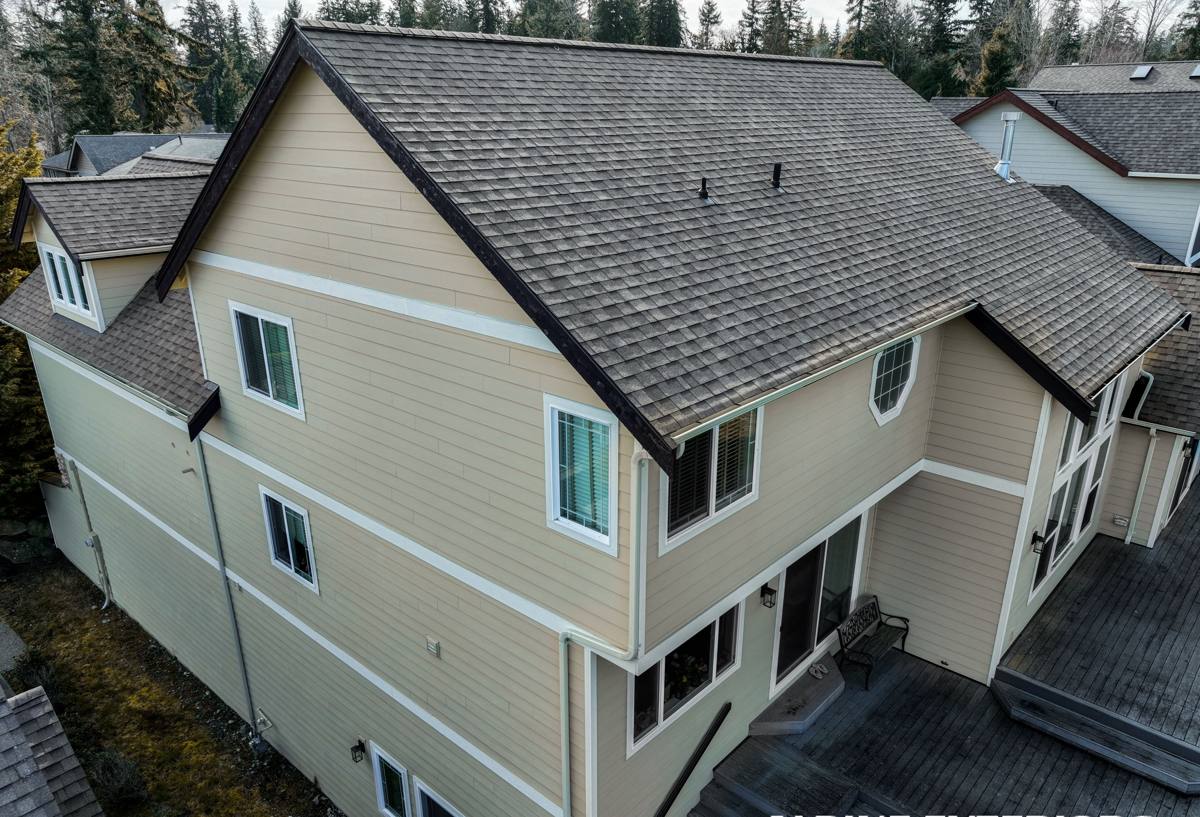
What a Correct Fiber Cement Installation Actually Involves
Fiber cement siding is a durable product, but it is not a forgiving one if it's installed carelessly. In a coastal wind and rain environment like Venice, the small details of installation matter as much as the material itself.
The details that separate a correct install from a problem waiting to happen
- Proper clearances — siding held above grade, decks, and roof lines by the manufacturer's specified gap so water can't wick up into the board
- Correct fastening pattern and fastener type — corrosion-resistant fasteners driven at the right spacing and depth, since over-driven or under-driven nails are one of the most common causes of premature siding failure
- Weather-resistive barrier and flashing done right — house wrap, window and door flashing, and kick-out flashing installed so wind-driven rain is directed out and away from the wall assembly, not behind the siding
- Sealed and primed cut edges — every field cut needs to be primed or sealed before installation so raw fiber cement isn't left exposed to moisture
- Proper joint and butt seams — caulked or flashed per manufacturer spec, not just butted together and painted over
Skip any one of these steps and the siding can still look right for the first year or two. The problems — trapped moisture, streaking, board warping, paint failure at the seams — tend to show up later, once they're harder and more expensive to fix.
Why We Only Install James Hardie Fiber Cement
We don't install every brand of fiber cement, and we don't install vinyl siding, LP SmartSide, primed spruce, or cedar. That's a deliberate standard, not a matter of what happened to be in stock. James Hardie is the fiber cement system we've standardized on because it's non-combustible, backed by a strong transferable warranty, and — most relevant for a Sarasota County home — engineered specifically for climate zones like ours.
James Hardie's HZ10 product line is formulated for warm, humid, high-moisture climates: the Gulf Coast, Florida, and the broader Southeast. That's a meaningful distinction from siding lines built for a generic national market. On top of that, Hardie's ColorPlus Technology is a factory-applied, baked-on finish rather than a field-applied paint job. In a market where UV exposure is this intense year-round, a factory finish that's engineered to resist fading holds up in ways a job-site paint job typically can't match over the same number of years.
Other fiber cement and engineered wood products on the market aren't necessarily bad products in isolation. But we've found that the combination of climate-specific engineering, finish durability, and warranty structure makes Hardie the product we're willing to put our name behind on a Venice roof-to-foundation exterior. That's the whole reason we standardized on one manufacturer instead of installing whatever a homeowner happened to ask for.
Our Process for a Venice Siding Project
A siding replacement in this climate isn't just "remove old, nail up new." Here's how a project typically moves from first call to finished wall.
1. Assessment and moisture check
Before any siding comes off, we look at the current condition of the walls — soft spots, staining, trim condition — since siding problems in coastal homes often trace back to moisture that's already gotten behind the old material.
2. Tear-off and substrate inspection
Old siding comes off in sections so the sheathing underneath can actually be inspected, not just covered over. Any rot or damaged sheathing gets addressed before anything new goes up — installing new siding over a compromised wall just hides the problem for another few years.
3. Weather barrier and flashing
House wrap and flashing at every penetration — windows, doors, hose bibs, vents — get installed or replaced to current standards, since this layer is what actually protects the framing if wind-driven rain gets past the siding itself.
4. Hardie panel and trim installation
Boards are installed to Hardie's fastening and clearance specifications, with attention to butt joints, corners, and transitions where water intrusion is most likely to start.
5. Final detailing and walkthrough
Caulking, touch-up, and a walkthrough of the finished exterior so the homeowner knows exactly what was done and what to expect going forward.
Fiber Cement vs. Other Siding Materials in a Coastal Climate
Homeowners comparing options often ask how fiber cement actually stacks up against the alternatives once you factor in Venice's specific climate conditions — not just national averages.
| Material | Wind & Storm Performance | Moisture/Rot Risk | Sun & Color Fade Resistance |
|---|---|---|---|
| Vinyl siding | Can crack or blow off in high wind; softens and warps in intense heat | Low absorption itself, but seams can allow water behind panels | Prone to fading and chalking under sustained UV |
| LP SmartSide / engineered wood | Generally solid if intact, but panel edges are vulnerable | Wood-based core is sensitive to sustained moisture and edge swelling | Requires field-painted finish, which fades and needs maintenance |
| Primed spruce or cedar | Performs adequately when new; sensitive to storm impact | Highest moisture and rot risk of the group in a humid coastal climate | Needs repainting on a recurring cycle |
| James Hardie fiber cement | Rigid, dense material engineered to resist wind and impact when correctly installed | Non-combustible, moisture- and pest-resistant, HZ10 formulated for humid climates | Factory-baked ColorPlus finish resists fading longer than field-applied paint |
The point of this comparison isn't to claim any product is worthless — it's that in a climate that combines heat, humidity, salt air, and storm exposure the way Venice does, the margin for error with lower-durability materials is smaller, and the maintenance burden tends to show up sooner.
Signs Your Current Siding in Venice Needs Attention
Not every siding problem is obvious from the curb. These are the signs worth checking for, especially after storm season or if your siding is more than 15-20 years old:
- Visible cracking, warping, or bowing in the boards or panels
- Soft or spongy spots when you press on the siding by hand
- Paint that keeps peeling or bubbling in the same spots no matter how often it's touched up
- Gaps opening up at trim boards, corners, or window and door frames
- Dark staining, streaking, or a persistent musty smell near the base of exterior walls
- Interior signs of moisture on the walls that share a line with exterior siding seams
- Visible pest activity or soft wood at any siding-to-trim transition
Any one of these on its own isn't necessarily an emergency, but together — or ignored for a season or two — they tend to compound quickly in this climate.
What Affects the Cost of a Fiber Cement Siding Project
Every home is different, so we don't quote pricing without seeing the property, but these are the factors that generally move a project's cost up or down:
| Factor | Why It Matters |
|---|---|
| Total square footage and home shape | More wall area and more corners, gables, and transitions mean more material and labor |
| Condition of the existing wall assembly | Rotted sheathing or moisture damage found during tear-off adds repair scope before new siding can go up |
| Number of stories | Multi-story homes require more scaffolding, staging, and safety setup |
| Trim, siding profile, and detail complexity | Board-and-batten, varied reveal widths, and heavy trim packages take more time than a simple lap profile |
| Tear-off and disposal of old material | Full removal of old siding versus a simpler recover situation changes labor and dump costs |
| Access and site conditions | Tight lot lines, landscaping, pools, and fencing can all affect how efficiently a crew can stage material |
Why Hiring a Crew That Already Works in Venice Matters
Siding installation in Sarasota County isn't identical to siding installation inland. A crew that regularly works Venice and the surrounding Gulf Coast communities already understands the local permitting process, the wind-resistance detailing that Florida's building code requires for this region, and the coastal-specific details — like flashing at ground-level moisture points and salt-air-resistant fastener choices — that a crew from outside the area might not think to prioritize.
There's also the practical matter of being reachable after the job is done. A warranty is only as good as the contractor standing behind it, and a company that's local to the Sarasota area is the one that shows up if a question comes up two years down the road — not a crew that moved on to the next region after the invoice was paid.
Caring for Hardie Siding After It's Installed
One advantage of a correctly installed James Hardie system is how little ongoing maintenance it actually asks for compared to wood-based or vinyl alternatives — but "little" isn't "none," especially this close to the coast.
- Rinse the exterior periodically to clear salt residue and airborne grime before it builds up
- Inspect caulking at trim joints, window and door surrounds, and butt seams once a year and re-caulk any spots that have opened up
- Keep sprinklers and irrigation heads angled away from direct, sustained contact with the siding
- Trim back landscaping that holds moisture against the wall or blocks airflow behind plantings
- Address any impact damage from storm debris promptly rather than waiting, since exposed cut edges need to stay sealed
Because ColorPlus is a factory-applied finish, homeowners generally aren't looking at a repaint cycle the way they would with field-painted wood siding — which is one of the bigger long-term maintenance differences between the materials compared above.
If your Venice home's siding is showing any of the signs above, or you're planning ahead of the next storm season, we're happy to take a look and walk you through what we'd recommend — no pressure, no obligation. Use the form below to request a free estimate.