 Sarasota Siding
 Why Venice Homes Are Hard on Siding
Venice sits right on the Gulf, and that location is exactly what makes siding such a demanding job here. Homes in this part of Sarasota County take on a combination of stresses that inland houses never see in the same intensity: sustained salt air that never fully dries out, wind-driven rain that gets pushed sideways into wall assemblies during summer storms, and near-constant UV exposure that breaks down cheaper materials faster than most homeowners expect. Add in the real risk of hurricane-force wind events, and you have a climate that will find every weak point in a siding system within a few years, not a few decades.
This isn't a scare tactic — it's the reason siding replacement in Venice needs to be approached differently than it would be in a milder climate. The material you choose, the way it's fastened, the flashing details behind it, and the finish on the surface all matter more here than they do almost anywhere else in the state.
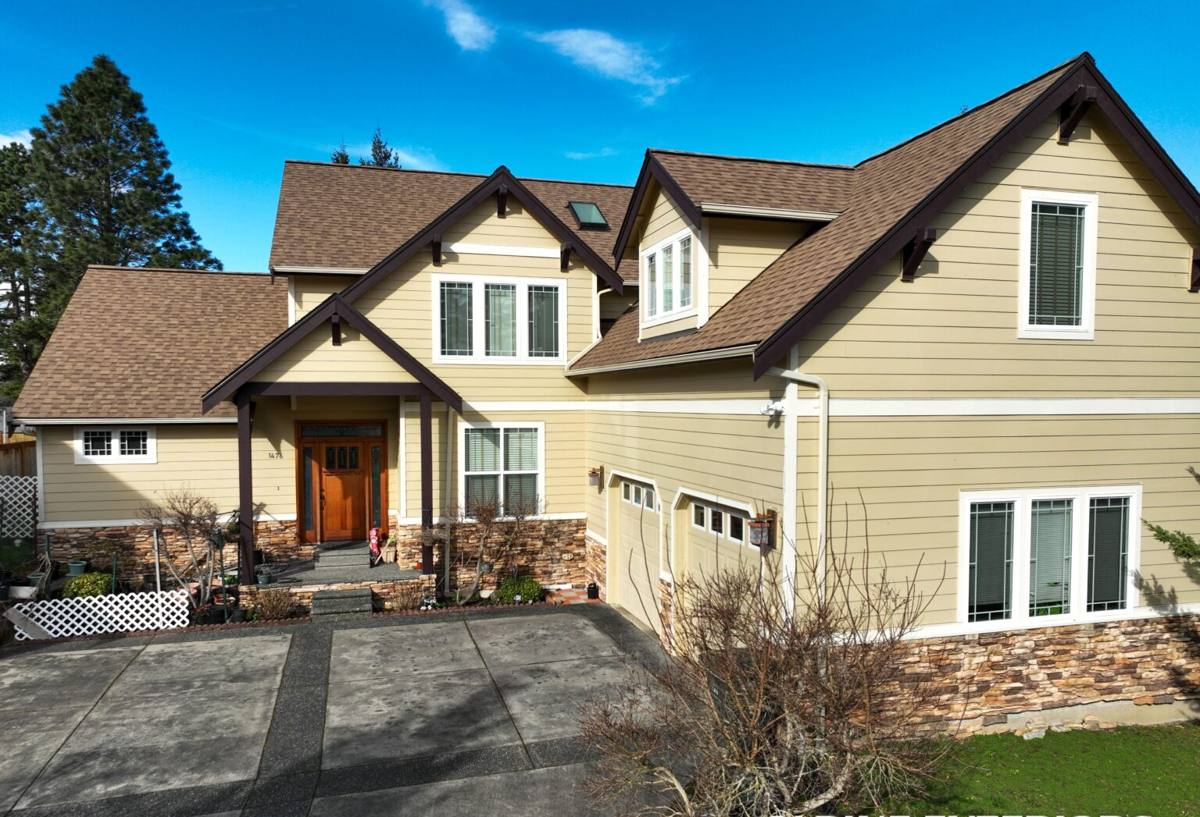
Signs a Venice Home Needs Siding Replacement, Not Just Repair
Not every siding problem calls for a full tear-off. But there are signs that repair is only delaying the inevitable, especially on homes that have been through several storm seasons on the coast:
- Soft or spongy spots when you press on the siding, which usually means moisture has already reached the substrate
- Visible cupping, buckling, or panel separation, often worse on the sides of the house that take the most wind-driven rain
- Chalking, fading, or peeling paint that keeps coming back within a year or two of repainting
- Rust streaks or corrosion around fasteners, a common issue with siding systems that weren't built for a salt-air environment
- Visible gaps at seams, corners, or trim where the original installation wasn't sealed and flashed correctly
If you're seeing two or more of these at once, that's usually a sign the whole system — not just a panel or two — has reached the end of its useful life.
Why We Only Install James Hardie Fiber Cement in Venice
We made a decision as a company to install one siding system: James Hardie fiber cement. We don't install vinyl, LP SmartSide, Cemplank, Allura, primed spruce, or cedar, and that's a deliberate standard, not a limitation on what we're capable of doing.
Here's the honest reasoning. Vinyl softens, warps, and can pull loose from fasteners in sustained high wind, and it offers essentially no protection if wind-driven debris strikes it. Wood products like cedar and primed spruce look good on day one, but they need consistent maintenance to fight rot in a climate this humid, and salt air accelerates that process. Other fiber cement and engineered wood competitors each have their own trade-offs in moisture resistance, finish durability, or long-term warranty structure. None of them are bad products in every situation — but for a coastal Sarasota County home that will face hurricane-force wind, wind-driven rain, and constant UV and salt exposure year after year, we don't think they're the right call, and we won't put our name behind an install we don't believe will hold up.
James Hardie fiber cement is non-combustible, doesn't rot, resists pests, and holds its factory-applied ColorPlus finish far longer than field-painted alternatives — which matters enormously in a climate where UV breaks down paint faster than almost anywhere else in the country.
How Hardie Compares in a Coastal Climate
| Material | Wind/Impact Resistance | Moisture & Rot Behavior | UV/Finish Durability | Salt Air Resilience |
|---|---|---|---|---|
| James Hardie fiber cement | Engineered for high-wind zones, holds up to wind-driven debris | Doesn't rot; won't absorb and swell like wood | Factory ColorPlus finish resists fading far longer than field paint | Non-combustible, non-organic material; fasteners are the main variable |
| Vinyl | Can crack, warp, or blow off in sustained high wind | Won't rot itself, but traps moisture behind it if installed poorly | Prone to fading and brittleness under intense, constant UV | Can become brittle faster in salt-laden air over time |
| Wood / cedar / primed spruce | Moderate; depends heavily on fastening and maintenance | Vulnerable to rot without consistent upkeep | Needs repainting or resealing on a regular cycle | Salt air accelerates moisture cycling and rot risk |
| Other fiber cement / engineered wood brands | Generally solid, varies by product line | Varies; installation sensitivity matters more than with Hardie's HZ5 line | Field-applied finishes fade faster than factory ColorPlus | Comparable base material, but finish and warranty terms vary |
What a Correct Siding Replacement Actually Involves
The material is only half the equation. A siding replacement done wrong with the right product will still fail in this climate — moisture problems in coastal Florida are almost always installation problems, not material problems. A correct job on a Venice home includes:
Full Tear-Off and Substrate Inspection
We remove the old siding down to the sheathing so we can actually see what's underneath. Hidden rot, soft sheathing, or old moisture damage has to be found and addressed before anything new goes up — covering it over just hides the problem for the next owner to discover.
Weather-Resistive Barrier
A properly lapped and sealed moisture barrier goes on before any siding, giving the wall assembly a second line of defense against wind-driven rain that gets forced sideways into the wall during storms.
Flashing at Every Penetration
Windows, doors, vents, and any other wall penetration get flashed correctly so water is directed out and away from the structure rather than finding its way behind the new siding.
Fastening to Manufacturer and Wind-Zone Spec
James Hardie publishes specific fastener patterns and spacing for high-wind regions, and this is one of the most commonly skipped details on rushed installs. Correct fastening is what keeps siding attached during a hurricane-force wind event, not just under normal conditions.
Correct Joint and Seam Treatment
Seams, corners, and butt joints have to be treated the way the manufacturer specifies — caulked, flashed, or overlapped as appropriate — so they don't become the first failure point when wind-driven rain hits the wall at an angle.
Our Process for Venice Siding Replacements
- On-site inspection — we walk the exterior, check for existing moisture damage, and assess what's driving the need for replacement.
- Honest estimate — a clear, written scope and price, with no pressure and no inflated urgency tactics.
- Material selection — choosing the right James Hardie product line and ColorPlus finish for the home's exposure and style.
- Tear-off and substrate check — removing old material and inspecting sheathing before anything new is installed.
- Barrier, flashing, and fastening — the moisture management and structural work that determines whether the job lasts.
- Final walkthrough — going through the completed work with the homeowner before we consider the job done.
James Hardie Product Lines That Fit This Climate
James Hardie engineers specific product lines for different climate zones, and homes along the Gulf Coast fall into their high-humidity, high-moisture-exposure category. That means the boards installed on a Venice home are formulated to resist moisture-related damage in ways that a generic, one-size-fits-all product isn't. Combined with the factory-applied ColorPlus finish — which is baked on under controlled conditions rather than brushed on in the field — homeowners get color retention that stands up to Sarasota County's intense, near-daily sun exposure far longer than a field-painted finish would.
What Drives the Cost of a Siding Replacement
Every home is different, but the main variables that affect price on a Venice project are consistent:
| Factor | Why It Matters |
|---|---|
| Home size and wall complexity | More square footage and more corners, gables, or dormers mean more material and labor |
| Substrate condition | Rotted or damaged sheathing found during tear-off adds repair work before new siding goes on |
| Siding profile and finish choice | Lap width, texture, and ColorPlus color options affect material cost |
| Trim and accessory scope | Fascia, soffit, and trim replacement alongside siding adds to the total scope |
| Access and site conditions | Landscaping, multiple stories, or tight lot lines can affect labor time |
We don't quote broad numbers without seeing the home, because guessing on a coastal property with unknown substrate condition does homeowners a disservice. What we can tell you is that every estimate reflects a full tear-off and correct installation — not a shortcut version designed to win on price alone.
What to Look for in a Venice Siding Contractor
- Experience specifically with coastal Sarasota County homes, not just siding in general
- A clear explanation of how they'll handle moisture barriers and flashing, not just "we'll put up new siding"
- Manufacturer-specific fastening practices for high-wind zones, not generic nailing patterns
- A written scope of work and warranty terms before any deposit is collected
- Willingness to show you what's found during tear-off before covering it back up
Why Local Experience in Venice Matters
A crew that already works in and around Venice understands how this stretch of the Gulf Coast behaves — where wind-driven rain tends to hit hardest, how quickly salt air corrodes the wrong fasteners, and how intense the UV exposure is on south- and west-facing walls through a Florida summer. That's not something a crew coming from outside the region picks up on the first job. It's the difference between a siding replacement that's installed correctly for this specific climate and one that's installed the same way it would be anywhere else in the country.
Sarasota County's mix of hurricane risk, humidity, and coastal exposure is a genuinely tough environment for an exterior. Siding replacement here isn't just a cosmetic upgrade — it's a structural decision that affects how well the home holds up through the next storm season and the ones after that.
If your Venice home is showing signs of siding failure, or you just want an honest read on whether repair or replacement makes more sense, we're happy to take a look. Reach out for a free, no-pressure estimate using the form below.