 Sarasota Siding
 Window Installation Built for Laurel Park's Climate
Laurel Park sits close enough to Sarasota Bay and the Gulf that its homes take a steady beating from the same forces that shape building codes across Sarasota County: hurricane-force wind gusts, wind-driven rain that finds every gap in a poor installation, intense year-round UV that breaks down cheap seals and frames, and salt-laden air that corrodes hardware faster than it would inland. Windows here aren't just an aesthetic upgrade or an energy-bill line item — they're one of the most important weak points in a home's building envelope during a storm. A window that isn't installed correctly can fail long before the glass itself ever gives out, usually at the flashing, the sealant joint, or the fastening schedule.
We treat window installation in Laurel Park as a system, not a product swap. The window unit matters, but how it's flashed, shimmed, fastened, and sealed into the rough opening is what actually determines whether it holds up through a decade of Gulf Coast summers and the occasional named storm.
What Laurel Park's Housing Stock Actually Needs
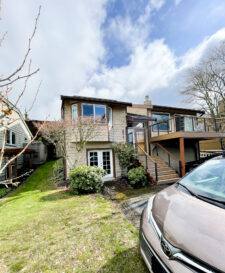
Laurel Park is one of Sarasota's older, established neighborhoods close to downtown, with a mix of early-to-mid-century bungalow-style homes alongside newer infill construction and updated properties. That mix matters for window work:
- Older wood-frame homes often have rough openings that are slightly out of square after decades of settling, and original window openings sized for styles that aren't common in current product lines.
- Original wood trim and siding details are frequently worth preserving on older homes, which means the installation has to be planned around exterior finish work, not just the hole in the wall.
- Newer construction and recent renovations are more likely to already meet current wind-load framing, but older additions or repairs done over the years can still hide inconsistent structural backing at the opening.
Before we quote anything, we look at the actual rough opening — not just the window size — because on a home with some age to it, that's where problems hide.
Coastal Wear Patterns We Watch For
In this part of Sarasota County, the most common failure points we see on older or poorly-installed windows are: sealant that has cracked and pulled away from UV exposure, aluminum hardware pitted from salt air, wood sills gone soft from years of wind-driven rain intrusion, and single-pane or non-impact glass that was never rated for the region's current wind requirements.
Florida Building Code and What It Means for Your Windows
Sarasota County falls under the Florida Building Code's wind-borne debris and design-pressure requirements. Every window we install is specified to the design pressure (DP) rating required for your home's location, height, and exposure category, and it carries a valid Florida Product Approval or Miami-Dade Notice of Acceptance (NOA) number that matches how it's actually installed — fastener type, spacing, anchor embedment, and all.
This isn't paperwork for its own sake. A window that's rated correctly on paper but installed with the wrong fasteners or missing shims at the load points can still fail under wind pressure. Permitting on window replacement in Sarasota County also typically requires inspection, and we pull permits and coordinate inspections as part of the job rather than leaving that step to the homeowner.
| Requirement | Why It Matters |
|---|---|
| Design pressure (DP) rating | Confirms the window can handle the wind load calculated for your specific home and exposure |
| Impact rating or approved protection | Addresses wind-borne debris requirements without relying on separate shutters |
| Product approval / NOA number | Ties the window to tested performance data — meaningless if the install doesn't match the tested assembly |
| Permit and inspection | Verifies the installation matches code and protects you if you ever sell the home |
What a Correct Window Installation Actually Involves
Most window problems we're called out to repair in Sarasota aren't glass failures — they're installation failures. Water gets behind the frame, not through it. Here's what has to happen for a window to actually perform the way it's rated to:
- Opening prep: old sealant, damaged wood, and any rot are fully removed and the substrate is sound before anything new goes in.
- Flashing integration: flashing tape and pan flashing are integrated with the existing weather-resistive barrier so water sheds outward, not into the wall cavity.
- Shimming and squaring: the unit is shimmed at every manufacturer-specified load point so the frame doesn't rack under wind pressure or the sash bind over time.
- Fastening to spec: fastener type, size, and spacing follow the product approval — not a generic "close enough" pattern.
- Sealant and backer rod: a proper backer rod and compatible sealant joint, sized correctly, rather than a bead of caulk smeared over a gap.
- Interior and exterior finish: trim, stucco, or siding is reworked cleanly so the finished look matches the rest of the home.
Choosing the Right Window for a Laurel Park Home
There's no single "best" window — the right choice depends on your home's age, style, budget, and how much wind protection you want beyond code minimums. Here's how the common options compare for this climate:
| Window Type | Strengths Here | Trade-offs |
|---|---|---|
| Impact-rated vinyl | No separate shutters needed, good energy performance, lower maintenance than wood | Higher upfront cost than non-impact options |
| Impact-rated aluminum | Narrower sightlines, strong for larger openings, holds up structurally | Conducts heat more than vinyl unless thermally broken |
| Non-impact + code-approved shutters | Lower material cost per window | Requires you to deploy protection before every storm; added step during hurricane season |
| Wood or wood-clad (older homes) | Matches original bungalow-style details | Higher maintenance burden in salt air and humidity; needs consistent upkeep |
A Note on Matching Historic Character
For Laurel Park homes where the original window style and trim are part of the home's character, we plan the replacement so the new units read correctly from the street — matching sightlines, grid patterns, and trim profiles — while still meeting current wind and impact requirements. You don't have to choose between historic appearance and code compliance; you just have to plan for both from the start.
Our Process, Start to Finish
- On-site assessment: we inspect existing openings, framing condition, and current window performance before quoting anything.
- Product and DP selection: we specify windows rated for your home's actual wind exposure, not a generic regional default.
- Permitting: we pull the required Sarasota County permit and schedule inspections as part of the job.
- Removal and prep: old units come out, openings are inspected for hidden damage, and any rot or deficient framing is addressed before install.
- Installation to spec: flashing, shimming, fastening, and sealing follow the manufacturer's tested assembly.
- Finish work: interior and exterior trim, stucco, or siding is restored to a clean, finished appearance.
- Final inspection and walkthrough: we confirm operation, sealing, and code sign-off with you before calling the job done.
Signs Your Current Windows Are Already Failing
If you're not sure whether replacement is worth it yet, these are the practical signs we look for on Sarasota homes:
- Sashes that are difficult to open, close, or lock — often a sign of a racked or settling frame
- Visible daylight or drafts around the frame when closed
- Water staining on interior sills, drywall, or trim after heavy rain
- Fogging or moisture between panes of insulated glass (seal failure)
- Chalky, pitted, or corroded exterior hardware and frames
- Rooms that feel noticeably hotter or noisier than the rest of the house
- Soft or discolored wood at the sill or surrounding trim
What Drives Cost on a Laurel Park Window Job
| Factor | Why It Affects Price |
|---|---|
| Number and size of openings | More or larger windows mean more material and labor |
| Impact rating vs. standard + shutters | Impact glass costs more per unit but removes the shutter step |
| Frame material | Vinyl, aluminum, and wood-clad carry different material costs |
| Opening condition | Rot repair or out-of-square framing adds labor before installation can start |
| Trim and finish complexity | Matching historic trim profiles or stucco patching takes more time than a plain reveal |
| Permitting and inspection | Required by code for window replacement in Sarasota County; included in project planning |
We can give you a broad range once we know the number of openings and general condition, but an accurate number requires seeing the actual openings — every older home carries some surprises once the old unit comes out.
Why It Matters Who Installs Your Windows
A window's rated performance only means something if the installation matches how it was tested. A crew that regularly works in Laurel Park and the surrounding Sarasota area already understands the county's permitting process, the design pressures typical for this exposure, and the practical realities of older framing and historic-style trim. That familiarity shows up in fewer surprises mid-project and a finished install that actually performs the way the product label says it should — through UV exposure, wind-driven rain, and whatever the next storm season brings.
If you're weighing window replacement for a Laurel Park home, we're happy to take a look and walk you through your options. Request a free, no-pressure estimate using the form below — we'll assess your current windows, explain what your home actually needs, and give you a straight answer, no obligation.