 Sarasota Siding
 Windows Built for Southside Village's Coastal Conditions
Southside Village sits close enough to Sarasota Bay and the Gulf that its homes take a different kind of beating than houses further inland. Salt-laden air moves through the neighborhood year-round, summer humidity pushes moisture into every gap and seam, and the same afternoon storms that make this part of Sarasota County so green also bring wind-driven rain that finds its way through tired window frames. When a window installation is done right here, it has to account for all of that at once — not just look good from the street.
We've worked on homes throughout this part of Sarasota, from older bungalows with original single-pane windows to newer builds that need a hurricane-code upgrade. The construction differs house to house, but the climate demands are the same: wind resistance, water management, UV stability, and corrosion resistance in every metal component.
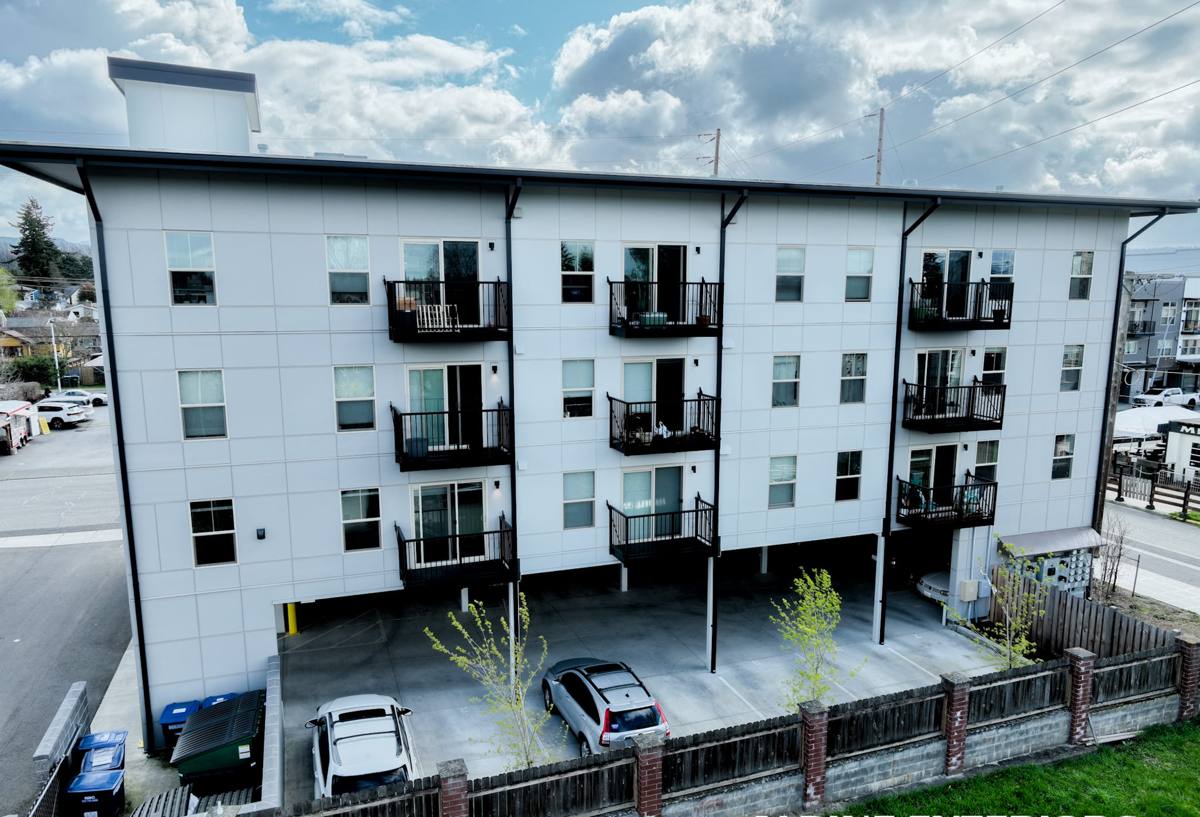
What Sarasota's Climate Actually Does to Windows
It helps to understand the specific mechanisms at work, because they shape every decision in a proper installation.
Hurricane and Tropical Storm Winds
Sarasota County sits in a wind-borne debris region under Florida's building code, which means replacement windows generally need to meet impact standards or be paired with approved protection. Wind doesn't just push on glass — it creates pressure differentials that can pull a poorly anchored frame away from the rough opening. The anchoring and the glass matter equally.
Wind-Driven Rain
During a tropical system, rain doesn't fall straight down — it's driven sideways into the building envelope. A window that's watertight in a normal afternoon shower can still leak under wind-driven rain if the flashing, sill pan, and sealant details weren't done correctly. Most water intrusion problems we find in this area trace back to installation gaps, not the window unit itself.
Year-Round UV Exposure
Florida sun is intense for most of the year, and it degrades vinyl, weatherstripping, and low-grade sealants faster than in most parts of the country. Frames that aren't UV-stabilized can discolor, chalk, or become brittle well before their expected service life is up.
Salt Air Corrosion
Southside Village's proximity to the water means salt air reaches window hardware, screws, and fasteners even a few miles inland. Standard steel fasteners and low-grade aluminum components corrode faster here than they would in a dry inland climate, which is why fastener and hardware selection is not a minor detail — it's part of the job.
What a Correct Window Installation Involves
A window installation is really two jobs layered together: getting the right window unit, and installing it in a way that actually performs in this climate. Skipping steps in either half is where problems start.
Assessing the Existing Opening
Before any window goes in, we check the rough opening for level, square, and plumb, and look for any wood rot, moisture damage, or prior water intrusion around the frame. In older Southside Village homes especially, hidden damage around window openings is common and needs to be addressed before a new unit goes in — installing over a compromised opening just hides the problem.
Flashing and Water Management
This is the step that gets skipped most often by installers trying to save time, and it's the one that matters most in a wind-driven-rain climate. Proper flashing integrates with the wall's water-resistive barrier so that any moisture that gets past the window sheds outward and down, rather than pooling inside the wall cavity.
Anchoring to Code
Fasteners, spacing, and anchor type all need to match the window manufacturer's tested installation instructions and Sarasota County's permitting requirements. This is what allows the window to actually perform at its rated wind pressure — a correctly rated window that's under-anchored doesn't meet code in practice, even if the label says it does.
Sealing and Insulating
Low-expansion foam or backer rod and sealant around the frame perimeter closes air gaps without bowing the frame out of square. Over-filling with the wrong foam type is a common mistake that can actually distort a window frame after installation.
Interior and Exterior Finish Work
Trim, caulking, and paint or stucco patching finish the job so the new window looks original to the house, not like an obvious retrofit.
Choosing the Right Window for a Southside Village Home
| Factor | What to Look For | Why It Matters Here |
|---|---|---|
| Impact Rating | Large-missile impact-rated glass or approved shutter protection | Required in Sarasota's wind-borne debris zone; protects against storm debris |
| Frame Material | Vinyl with UV inhibitors, or properly finished aluminum | Resists sun degradation and salt-air corrosion over the long term |
| Glass Package | Low-E coating with argon fill | Cuts summer heat gain, which drives cooling costs most of the year here |
| Hardware | Corrosion-resistant locks, hinges, and fasteners | Salt air corrodes standard hardware faster near the bay |
| Design Pressure Rating | Matched to Sarasota County's required DP rating for the home's exposure | Determines actual wind and water performance, not just impact rating |
None of these factors work in isolation — a high-DP-rated window installed with the wrong flashing detail will still leak, and a beautiful frame with standard hardware will start corroding within a few seasons this close to the water.
Our Process for Southside Village Projects
- On-site assessment. We look at each opening individually — older homes in this neighborhood rarely have uniform, standard-size openings.
- Product selection. We walk through frame material, glass package, and impact rating options based on the home's exposure and your budget, without pushing a product that doesn't fit the house.
- Permitting. Window replacement in Sarasota County typically requires a permit, especially when upgrading to impact-rated units. We handle that paperwork so it's done correctly the first time.
- Removal and opening prep. Old units come out carefully to avoid unnecessary damage to surrounding stucco, siding, or interior trim, and any rot or moisture damage found is addressed before the new window goes in.
- Installation. Flashing, anchoring, and sealing done to manufacturer specification and local code, not shortcuts.
- Finish and cleanup. Interior and exterior trim work, and a full site cleanup before we consider the job done.
- Final walkthrough. We check operation, sealing, and appearance with you before wrapping up.
Why Local Experience in This Neighborhood Matters
Southside Village has a mix of home ages and construction types — some original block-and-stucco homes, some renovated or rebuilt properties, and everything reflects decades of Sarasota's coastal climate acting on them. A crew that already works in this area knows what to expect when they open up a wall around an old window: what kind of substrate is likely underneath, how the local humidity has treated the framing, and which permitting quirks apply in Sarasota County versus other parts of the region.
That familiarity saves time and avoids surprises mid-project. It also means we're not guessing at wind load requirements or design pressure ratings — we already know what this part of the county requires and build the quote around that from the start.
Signs Your Southside Village Home Needs New Windows
- Visible fogging or moisture between glass panes, meaning the seal has failed
- Windows that are difficult to open, close, or lock — often a sign of frame warping
- Drafts or noticeable air movement around the frame even when closed
- Wood rot, soft spots, or staining on the interior or exterior trim around a window
- Noticeably higher cooling bills without another clear cause
- Chalky, brittle, or discolored frames from years of UV exposure
- Water staining on interior walls below or beside a window after storms
- Single-pane, non-impact windows on a home that hasn't been upgraded since before current code requirements
Maintenance After Installation
Even a correctly installed window benefits from some basic upkeep in this climate. Rinse frames and hardware periodically to reduce salt buildup, especially after storms. Check exterior caulking annually for cracking or gaps, since UV exposure breaks down sealants faster here than in milder climates. Operate locks and hardware a few times a year to keep moving parts from seizing, and keep an eye on weep holes at the bottom of the frame to make sure they stay clear of debris — they're what let any incidental water drain back outside instead of sitting in the frame.
Cost Factors to Expect
Every project is different, but a few factors consistently move the price on window installation jobs in this area: the number of openings, whether impact-rated glass is required, frame material, the size and shape of each window, and how much repair work is needed around existing openings. Homes with older or damaged framing typically cost more to bring up to a proper installation standard, which is exactly why the initial assessment matters — it's where an honest, accurate estimate comes from, rather than a generic per-window number.
If you're considering new windows for a home in Southside Village, we're happy to take a look and give you a straightforward, no-pressure estimate — just fill out the form below to get started.