 Sarasota Siding
 Bee Ridge Decks Work Harder Than Most
Bee Ridge sits inland from the coast but still lives under the same Sarasota County weather load as every other neighborhood in the area: long stretches of intense UV, seasonal tropical systems that bring sustained hurricane-force wind and horizontal rain, and a humid, salt-tinged air mass that never fully lets up. A deck out here isn't a seasonal accessory — it's exterior structure that sits exposed to sun, water, and wind twelve months a year. That combination is exactly what breaks decks down, and it does it quietly. Most failures start underneath, in framing and fasteners nobody sees until a board flexes, a rail wiggles, or a contractor pulls back a decking plank during an inspection.
We repair decks in Bee Ridge and the surrounding Sarasota area regularly enough to know which components fail first, in what order, and why. This page walks through what actually goes wrong with decks here, what a correct repair looks like, and how we approach the work.
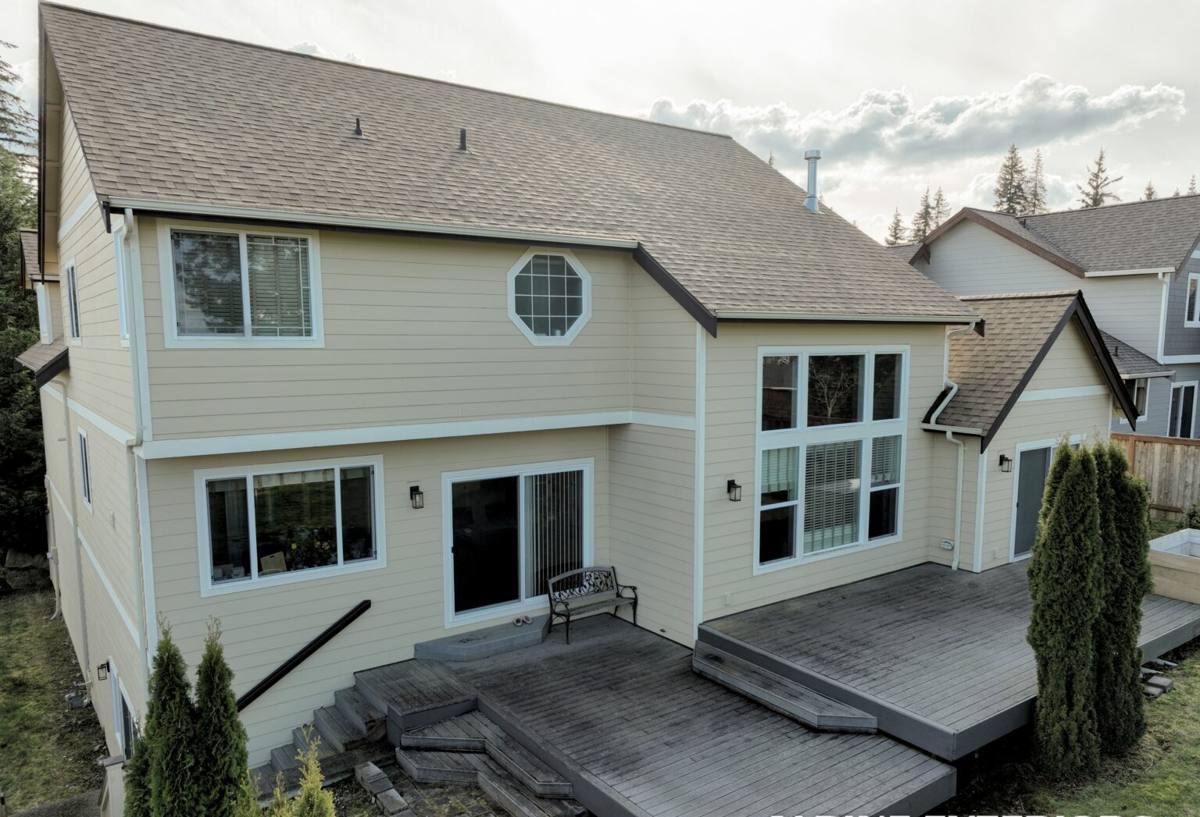
Signs Your Bee Ridge Deck Needs Repair
Deck damage in this climate rarely announces itself with a single obvious problem. It shows up as a handful of small symptoms that, together, point to something structural. Walk your deck and check for these:
- Boards that feel spongy, bouncy, or noticeably softer underfoot in one area than the rest
- Railings or guardrail posts that move, wobble, or feel less rigid than they used to
- Visible gaps, splitting, or cupping in decking boards, especially near board ends
- Rust streaks bleeding out from screw heads or around joist hangers
- Gray, weathered, or graying wood alongside sections that still look freshly finished — a sign of uneven sealing or sun exposure
- Soft or discolored wood where the deck attaches to the house (the ledger board)
- Stairs that feel less solid, or treads that flex more than they should
- Standing water that lingers on the deck surface after rain instead of draining off
Any one of these on its own might be minor. Two or three together, especially near the ledger or a support post, usually means it's time for a proper inspection before it becomes a safety issue.
What's Actually Behind the Damage
UV exposure
Florida sun is relentless on wood and even on composite material. UV breaks down the lignin in wood fibers, which is what causes graying, surface checking, and eventually splintering on decking boards and rail caps. Composite decking resists this better but isn't immune — cheaper or older composite boards can still fade and go brittle at the surface over years of full sun exposure.
Wind-driven rain
During a tropical system, rain in this area rarely falls straight down. It comes in sideways, which means it gets driven up under decking boards, into railing joints, and behind the ledger board where the deck meets the house. That's the single biggest cause of hidden rot we find — moisture trapped somewhere it can't dry out between storms.
Salt-influenced humidity
Bee Ridge isn't beachfront, but Sarasota County air still carries enough salt content to accelerate corrosion on fasteners, brackets, and hardware, especially combined with the region's high year-round humidity. Standard zinc-coated screws and nails corrode faster here than they would inland in a drier climate, and corroded fasteners lose their grip long before the wood around them looks obviously damaged.
Ground moisture and wood-destroying insects
Florida's humidity keeps soil and crawlspace air damp near ground-level posts and footings, which is exactly the environment termites and wood-decay fungus prefer. Posts embedded in or close to soil, and framing near grade, are where we most often find insect damage on top of moisture damage.
Common Repair Issues We See in Bee Ridge
| Issue | Typical Cause | What the Repair Involves |
|---|---|---|
| Soft or rotted ledger board | Wind-driven rain trapped between deck and house siding | Remove decking near the house, replace ledger, correct flashing so water sheds away from the wall |
| Loose or wobbly railings | Corroded fasteners, post rot at the base, or original under-built connections | Replace posts or blocking, re-anchor with code-rated hardware and corrosion-resistant fasteners |
| Cupped, splintering, or checked boards | Prolonged UV exposure combined with moisture cycling | Replace affected boards; assess whether remaining boards are near end of life |
| Bouncy or spongy deck surface | Undersized or rotted joists, failing joist hangers | Sister or replace joists, upgrade hangers, confirm spacing meets current load requirements |
| Post or footing movement | Ground moisture, insect damage, or an undersized original footing | Repair or replace footing, reset post with proper post base hardware off the ground |
| Rust streaking / popped fastener heads | Standard fasteners corroding in humid, salt-influenced air | Remove and replace with stainless steel or coated exterior-rated fasteners |
What a Correct Deck Repair Actually Involves
A repair that only replaces what's visible from the top usually misses the actual problem. Our process is structural first, cosmetic second.
Structural assessment
We check the ledger connection, support posts, footings, joists, and beam before touching a single decking board. This is where the real integrity of the deck lives, and it's the part that fails silently. If the framing underneath is compromised, replacing boards on top of it just delays the same problem.
Ledger and flashing correction
Since the ledger-to-house connection is the most common failure point in this climate, we make sure it's properly flashed so water sheds away from the house wall instead of pooling against it. A ledger repaired without correcting the flashing will rot again.
Framing repair
Rotted or insect-damaged joists, beams, and posts get sistered or fully replaced, not just patched. Any hardware — joist hangers, post bases, structural screws — goes back in corrosion-resistant, exterior-rated material appropriate for Florida's humidity and salt exposure.
Decking and railing
Damaged boards are replaced to match existing material where reasonable, with attention to proper spacing for drainage and expansion. Railings are re-secured to current structural standards, not just tightened back into whatever they were originally anchored to.
Finish and protection
Where wood decking is involved, we make sure any sealant or finish is appropriate for high-UV, high-humidity exposure, and we're honest about realistic reapplication intervals rather than promising a one-time fix.
Repair or Replace? Honest Cost Factors
Not every deck problem needs a full rebuild, and not every deck is worth patching. The right call depends on a few factors:
| Factor | Leans Toward Repair | Leans Toward Replacement |
|---|---|---|
| Extent of framing damage | Isolated to one joist, post, or section | Rot or corrosion found in multiple structural areas |
| Age of the deck | Under roughly 10-15 years, otherwise sound | Original construction is decades old or was under-built |
| Decking material condition | Boards are sound, only a few need swapping | Most boards show cupping, splintering, or UV breakdown |
| Code compliance | Original build already meets current guardrail and connection standards | Original railing height, spacing, or ledger attachment doesn't meet current code |
| Budget priority | Targeted fix extends usable life for a lower cost | Repeated repairs would eventually cost more than one correct rebuild |
We'll give you a straight answer on which category your deck falls into — we don't upsell a full rebuild when a targeted repair will genuinely hold up, and we won't patch something that's going to fail again in a year.
Materials That Make Sense for This Climate
For decking boards, both quality pressure-treated wood and composite decking have a place, and the right choice depends on your budget and how much upkeep you want to take on. Wood costs less up front but needs regular sealing to handle Sarasota's UV and rain cycle — skip that maintenance and it will gray, check, and splinter faster here than in a drier climate. Composite costs more initially but doesn't need sealing or staining, which matters when the alternative is resealing every year or two in this sun.
Fasteners and hardware matter as much as the decking itself. We use stainless steel or coated exterior-rated fasteners and connectors throughout, because standard hardware corrodes noticeably faster in Sarasota County's humid, salt-influenced air. A deck rebuilt with the wrong fasteners will show rust streaks and loosening connections within a few years, regardless of how good the decking boards are.
Permits and Florida Building Code
Structural deck repairs in Sarasota County — anything involving framing, footings, or railings — typically require a permit, and the work has to meet current Florida Building Code requirements for guardrail height, baluster spacing, and structural connections, including wind load provisions given our storm exposure. This isn't optional paperwork; it's what keeps a deck safe and what protects you if you ever sell the house and it goes through an inspection. We handle the permitting and make sure the finished repair meets code, not just the way the deck happened to be built originally.
Our Repair Process
1. On-site inspection
We check the deck from the ground up — footings, posts, ledger, framing, decking, and railings — and tell you plainly what we find.
2. Clear scope and pricing
You get a straightforward explanation of what needs repair, what's optional, and what it costs before any work starts. No pressure to upgrade beyond what the deck actually needs.
3. Permitting
For structural work, we pull the required Sarasota County permit before starting.
4. The repair itself
Framing and structural issues get fixed first, followed by decking, railings, and finish work.
5. Final walkthrough
We walk the deck with you when it's done so you can see and feel the difference, particularly in areas that were soft or loose before.
Why a Crew That Already Works in Bee Ridge Matters
Deck repair here isn't the same job it would be in a drier, calmer climate. A crew that regularly works in Bee Ridge and the wider Sarasota area already knows which fastener grades hold up, how the local building department handles deck permitting, and where storm-driven moisture tends to hide in a ledger or framing connection before it becomes visible. That familiarity shows up in fewer surprises during the job and a repair that's built to actually hold up through the next hurricane season, not just look fine until then.
If your deck has a soft spot, a wobbly rail, or boards that are past their prime, we're happy to take a look. Reach out for a free, no-pressure estimate using the form below — we'll tell you honestly what your deck needs and what it doesn't.