 Sarasota Siding
 Metal Roofing Built for Bee Ridge's Specific Conditions
Bee Ridge is an established, tree-shaded residential part of Sarasota with a mix of home ages, roof styles, and prior repair histories. That mix matters when it comes to metal roofing. A roof that's held up fine on a newer home a few miles inland can fail years early on an older Bee Ridge property with different framing, ventilation, or a roofline that catches more wind and rain than it looks like it should. We install and repair metal roofing throughout this part of Sarasota County, and our approach is built around what actually happens to a roof here over ten or twenty years, not just what a spec sheet says on install day.
This page is about metal roofing specifically for Bee Ridge homes — what the local climate demands, what a correct installation actually involves, how we run a project from first call to final walkthrough, and why hiring a crew that already works in this neighborhood is worth something real.
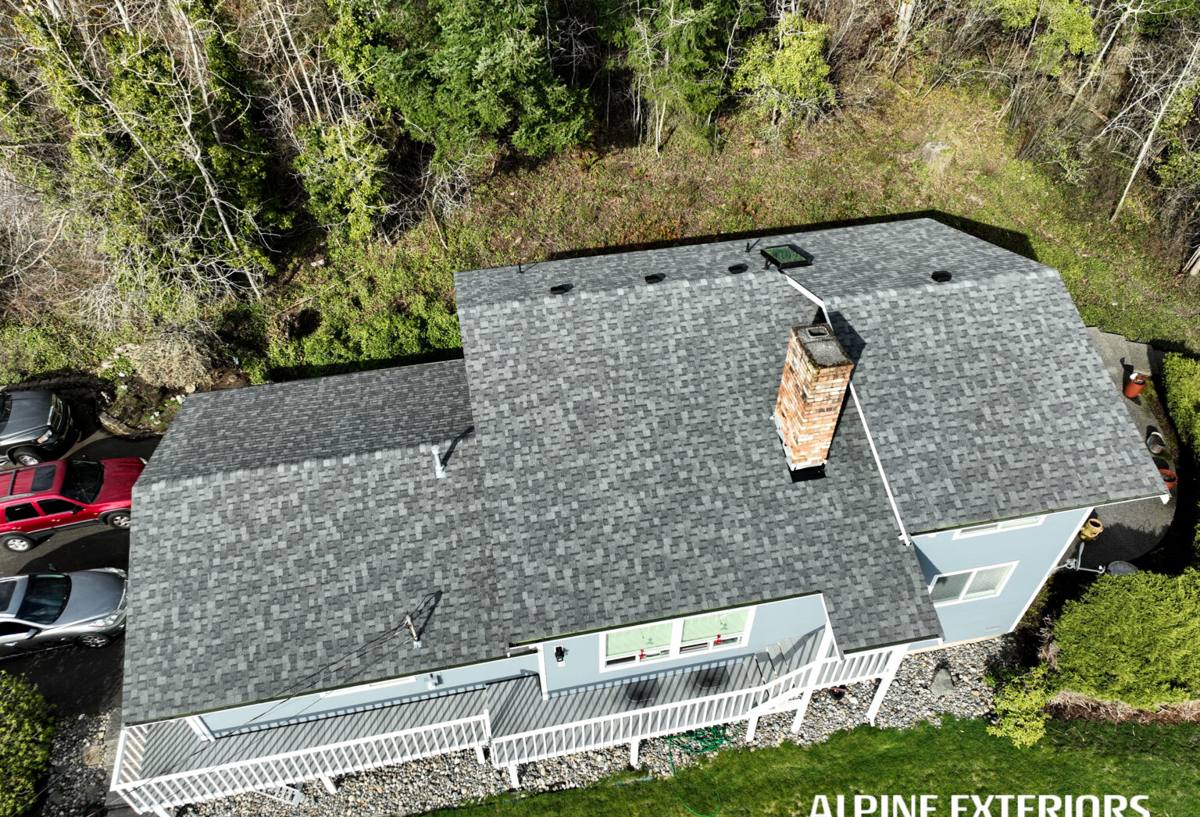
What Sarasota's Climate Does to a Roof Over Time
Every roofing material in this region is fighting the same four things, year after year: intense UV exposure, wind-driven rain, salt-laden air, and the threat of hurricane-force wind loads. Metal roofing handles all four better than most alternatives, but only when it's specified and installed correctly for this climate.
Year-Round UV and Heat
Sarasota doesn't get a real off-season for sun exposure. Roof surfaces spend most of the year absorbing intense UV and radiant heat, which is hard on coatings, sealants, and finishes. Lower-quality paint systems chalk, fade, or break down years before a well-specified finish will. This is a coating and material-grade issue as much as it is a design issue.
Wind-Driven Rain
Storms here rarely arrive as straight-down rain. Wind pushes water sideways and upward under panel edges, around penetrations, and into any flashing detail that was installed loosely. A metal roof's water resistance depends almost entirely on flashing and seam work, not just the panels themselves.
Salt Air and Corrosion
Bee Ridge isn't oceanfront, but Sarasota's proximity to the Gulf means salt-laden air reaches well inland, especially with onshore wind patterns. Salt exposure accelerates corrosion at fasteners, cut edges, and dissimilar-metal contact points long before it visibly affects a painted panel surface. This is why fastener quality and coating specification matter as much as the metal itself.
Hurricane and Tropical-Storm Wind Loads
Sarasota County sits in a wind zone where roofs need to handle sustained tropical-storm-force wind and the possibility of hurricane-force gusts. Metal roofing has a strong track record in wind events, but that record only holds when fastening patterns, panel gauge, and edge/perimeter detailing are matched to the actual wind pressures the building code requires for this area — not a generic national spec.
Metal Roofing Systems We Install
"Metal roofing" covers several different systems, and the right choice depends on the roof's slope, the home's architecture, and the homeowner's priorities around cost, appearance, and long-term maintenance.
| System | How It's Fastened | Typical Fit | Maintenance Profile |
|---|---|---|---|
| Standing seam | Concealed clips, no exposed fasteners on the field | Most roof styles; higher-end look; strong wind performance | Low — no exposed screws to back out or leak over time |
| Exposed-fastener panel | Screws driven through the panel face into decking or purlins | Budget-conscious projects, outbuildings, some ranch profiles | Moderate — fastener washers age and need periodic re-torquing or replacement |
| Metal shingles/shakes | Interlocking panels, concealed fasteners | Homes wanting a traditional shingle or shake look with metal durability | Low, similar to standing seam |
For most Bee Ridge homes, we lean toward standing seam or a quality metal shingle system, because concealed fasteners remove one of the most common long-term failure points in this climate: fastener washers that harden and shrink under years of UV exposure. Exposed-fastener panels still have a place on lower-budget or secondary structures, but we're upfront that they carry a higher long-term maintenance burden in a climate this harsh on gaskets and sealants.
What a Correct Metal Roof Installation Actually Involves
Metal roofing is unforgiving of shortcuts. A panel system installed slightly wrong doesn't always fail on day one — it fails in year four or five, usually during a storm, which is the worst possible time to find out. A correct installation includes:
- Deck inspection and repair — soft, delaminated, or improperly spaced decking gets addressed before a single panel goes down, not after.
- A synthetic or self-adhered underlayment rated for high heat and wind-driven rain, not a bargain felt product that degrades under Florida sun.
- Fastening patterns matched to the current wind-load requirements for Sarasota County, including tighter spacing at ridges, eaves, and roof edges where uplift pressure is highest.
- Properly lapped and sealed flashing at every valley, penetration, wall intersection, and transition — this is where the overwhelming majority of "metal roof leaks" actually originate.
- Compatible fasteners and flashing metals to avoid galvanic corrosion between dissimilar metals, which accelerates rapidly in salt air.
- Adequate ventilation so heat and moisture don't build up under the panels and shorten the life of the decking or insulation below.
Skipping any one of these doesn't show up on inspection day. It shows up years later, usually as a leak that seems to come from nowhere because the panels themselves still look fine.
Repairs, Recoating, and Maintenance for Existing Metal Roofs
Not every metal roof problem in Bee Ridge needs a full replacement. We regularly evaluate existing systems for:
Fastener and Seam Issues
On exposed-fastener roofs, the most common repair is replacing aged, hardened washers before they fail and let water track down the screw shaft. On standing seam roofs, seam separation or clip failure is less common but more involved to correct, since it usually points to a panel movement issue from thermal expansion that wasn't accounted for at install.
Flashing and Penetration Failures
Skylights, vent stacks, and wall transitions are the parts of a metal roof most likely to develop a leak, especially after years of thermal cycling and wind-driven rain. These are usually repairable without replacing the surrounding panels.
Coating Wear
UV exposure over many years can chalk or fade a factory finish. Depending on the coating type and the panel's condition underneath, a recoat can extend service life and improve appearance without the cost of full panel replacement — though we'll tell you honestly when a roof has passed the point where recoating makes sense.
How We Run a Bee Ridge Metal Roofing Project
- On-site inspection — we look at the deck, existing flashing, ventilation, and roof geometry, not just the surface.
- Honest scope and quote — repair versus replacement, system options, and a clear breakdown of what's driving the cost.
- Permitting — pulled through Sarasota County or the applicable local jurisdiction, matched to current wind-load and building code requirements.
- Installation — deck prep, underlayment, panels, and flashing installed in the sequence and detail level described above.
- Final walkthrough — we go over the finished roof with you, including any maintenance items specific to the system installed.
Permits, Codes, and Wind Ratings for Sarasota County
Metal roofing installed in Sarasota County has to meet wind-uplift and fastening requirements tied to the current Florida Building Code and local wind-speed maps for this area. This isn't paperwork for its own sake — the fastening spacing and edge detailing called out in a proper permit are exactly what keeps a roof intact during a tropical storm or hurricane. A contractor who treats the permit and inspection process as a formality, rather than a design input, is cutting a corner that only shows up during the next major wind event.
Cost Factors for Metal Roofing in Bee Ridge
Metal roofing costs more upfront than asphalt shingles, and the final number depends on several factors specific to the home and system chosen.
| Factor | Why It Moves the Price |
|---|---|
| System type | Standing seam typically costs more than exposed-fastener panel due to labor and hardware |
| Roof complexity | Valleys, dormers, and multiple roof planes add flashing labor and material |
| Existing deck condition | Rot or delamination found during tear-off adds repair cost before panels go on |
| Panel gauge and coating | Heavier gauge metal and higher-grade coatings cost more but last longer in this climate |
| Tear-off vs. overlay | Removing old roofing adds labor but allows full deck and underlayment inspection |
We don't quote against a generic national average, because it doesn't reflect what a Bee Ridge roof actually needs. We quote against the specific roof in front of us.
Why Local Experience in Bee Ridge Matters
A metal roof's long-term performance in this climate comes down to details that don't show up in a brochure: how fastening patterns are adjusted for this wind zone, how flashing is detailed against wind-driven rain, and how corrosion is prevented in salt-laden air. A crew that works Bee Ridge and the wider Sarasota area regularly has already seen how different roof ages, decking conditions, and prior repairs behave here — and builds the job around that, instead of applying a one-size-fits-all install.
If you're considering a metal roof for a Bee Ridge home, or you have an existing metal roof that needs an honest evaluation, we're happy to come take a look. Use the form below to request a free, no-pressure estimate.