 Sarasota Siding
 Why Downtown Sarasota's Climate Is Especially Hard on Siding
Homes in Downtown Sarasota sit close enough to Sarasota Bay and the Gulf that salt air is a daily fact of life, not an occasional nuisance. Add in the intense, near year-round UV exposure of a Gulf Coast city, the wind-driven rain that comes with every strong summer storm, and the hurricane-force winds that Sarasota County has to plan for each season, and you have a climate that tests exterior materials harder than almost anywhere else in the country. Siding here doesn't fail because it was installed carelessly — much of it fails simply because it was never built for this combination of stressors in the first place.
Older homes closer to the urban core often mix decades of construction styles and materials, and many were sided with products that were never rated for coastal, high-UV, high-wind conditions. Newer infill construction isn't immune either — even code-compliant siding can develop problems years down the road if flashing, fastening, or moisture management wasn't handled correctly at installation. Either way, the result is the same: siding that looks fine from the curb can be hiding real damage underneath.
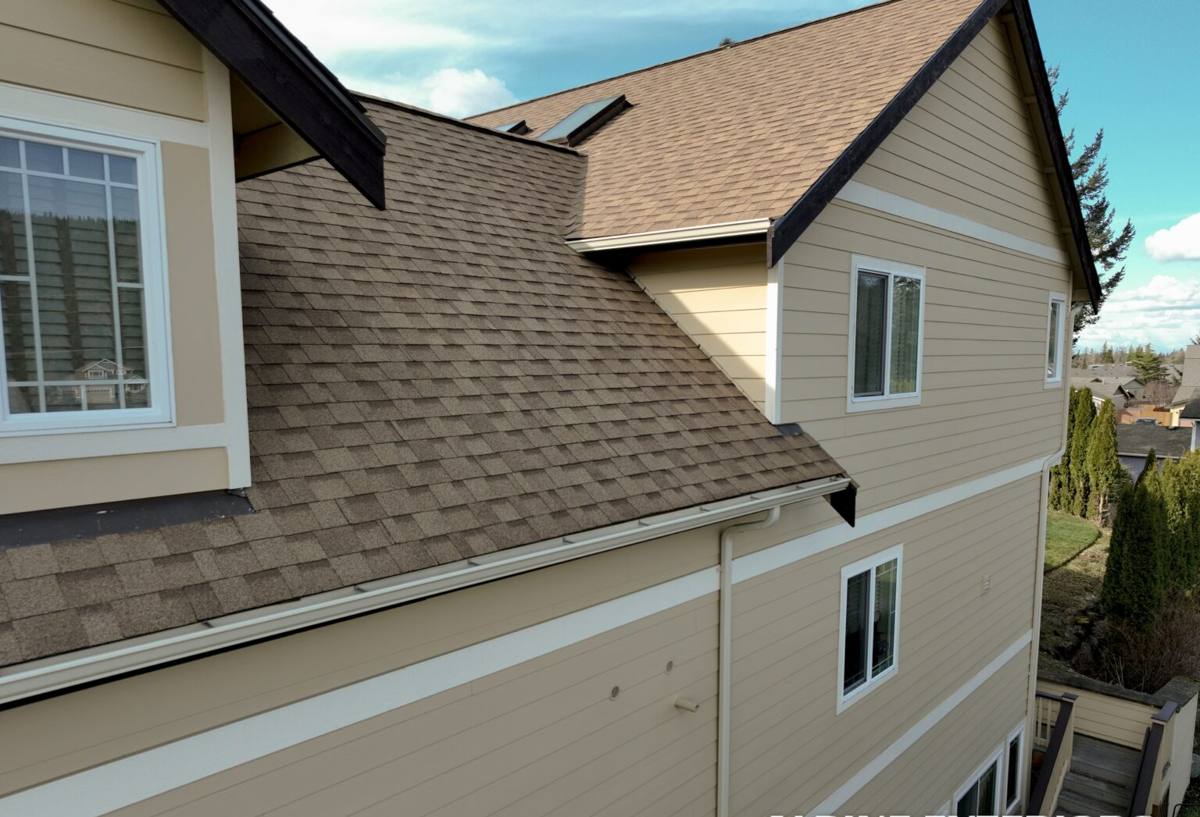
Common Signs Your Downtown Sarasota Home Needs Siding Repair
Because so much siding damage starts from behind the panel rather than on the surface, it's easy to miss the early warning signs. Walk the perimeter of your home periodically and look for the following:
- Panels that are visibly warped, buckled, or pulling away from the wall
- Cracked, chipped, or crumbling sections, especially near corners and trim
- Soft or spongy spots when you press on the siding
- Peeling paint or a chalky, faded finish that won't wash off
- Dark streaking or mildew growth that keeps coming back after cleaning
- Gaps or separation around windows, doors, and roof lines
- Rising utility bills or noticeably drafty rooms near exterior walls
- Visible fastener heads, popped nails, or rust stains bleeding through the finish
Any one of these on its own might be minor. Several appearing together, or damage concentrated on the side of the house that takes the brunt of prevailing wind and rain, usually points to a bigger moisture problem working its way through the wall assembly.
What a Correct Siding Repair Actually Involves
Diagnosing the Cause, Not Just the Symptom
Replacing a cracked panel and calling it done is the fastest way to have the same problem reappear in a year. A proper repair starts by figuring out why that section failed: a flashing gap, a caulk joint that dried out and split, a downspout dumping water against the wall, or a fastening pattern that let wind get underneath the panel. If we don't fix the cause, the new material fails the same way the old material did. In Downtown Sarasota, this pattern shows up most often around window and door trim, where caulk joints break down under sustained UV exposure, and at inside corners, where wind-driven rain gets pushed sideways into the wall instead of running straight down the face of the house. Knowing where to look first saves time and keeps the repair from turning into unnecessary demolition.
Matching the Existing Siding
On homes where only part of the siding is damaged, matching the profile, reveal, and finish of the existing material matters as much as the repair itself. A mismatched patch is obvious from the street and can create a seam where water collects. We look at exposure, board width, and color before cutting a single piece.
Protecting What's Behind the Panel
Siding is the visible layer of a system that includes water-resistive barrier, flashing, and fastening. A repair that ignores what's underneath is cosmetic, not structural. We check the condition of the sheathing and barrier anywhere we open up a wall section, and we address rot or moisture damage before anything new goes back on.
Repair or Replace? How We Help You Decide
Not every problem calls for full replacement, and not every problem can be solved with a patch. The right call depends on how much of the house is affected, how old the existing siding is, and what's causing the damage.
| Factor | Repair Usually Makes Sense | Replacement Usually Makes Sense |
|---|---|---|
| Extent of damage | Isolated to one or two areas | Spread across multiple walls or elevations |
| Age of siding | Still well within its service life | Near or past the manufacturer's expected lifespan |
| Moisture history | No signs of ongoing water intrusion | Recurring leaks or rot in the wall assembly |
| Material match | Matching material is still available | Discontinued profile or incompatible product |
| Storm damage | Localized wind or debris impact | Widespread hurricane or impact damage |
We'll walk the property with you, explain what we're seeing, and give you a straight answer about which option actually solves the problem — not just the one that's easiest to sell.
Why We Repair and Replace Only With James Hardie Fiber Cement
When a repair calls for new material — whether it's a few boards or a full elevation — we use James Hardie fiber cement, and we don't install vinyl, LP SmartSide, or other wood-based siding products as part of that repair. That's not a marketing preference; it's a standard we hold because of what this climate does to alternatives over time. Vinyl softens, warps, and fades under sustained Gulf Coast UV and heat, and it can't be color-matched forever once a manufacturer changes a formulation. Wood-based and engineered wood products are more sensitive to the wind-driven rain and humidity that Sarasota deals with for much of the year, and they demand more upkeep to keep moisture out.
James Hardie fiber cement is non-combustible, holds its shape in heat and humidity, and its HZ5 product line is engineered specifically for high-humidity, high-moisture climates like ours. The factory-applied ColorPlus finish resists fading far better than field-applied paint, which matters a lot under Sarasota's UV load. It also carries a strong, transferable limited warranty when installed to Hardie's specifications — something we take seriously on every repair, because an improperly installed patch can void coverage on the rest of your siding.
Our Siding Repair Process
- Inspection: We assess the damaged area and the surrounding wall assembly, not just the panel that's visibly broken.
- Diagnosis: We identify what caused the failure — moisture path, fastening issue, impact damage, or age.
- Written scope: You get a clear explanation of what needs to happen and why, before any work starts.
- Repair or replacement: We remove and rebuild only what needs it, matching material and finish to the surrounding siding.
- Final check: We confirm flashing, caulking, and fastening are correct before we call the job done.
The Cost of Waiting on Siding Repair
Siding damage in a coastal, storm-exposed climate rarely stays the same size. A small gap that lets in wind-driven rain during one storm season can turn into saturated sheathing, hidden rot, or interior water stains by the next. What would have been a contained repair on one wall can become a much larger project once moisture has spread behind multiple panels. Salt air also accelerates corrosion on fasteners and trim once the protective finish is compromised, which is part of why we treat cracked or gapped siding as a fix-it-this-season issue rather than a get-to-it-eventually one. Timing matters too: repairs completed before hurricane season give compromised siding one less way to let storm-driven rain into your walls when it matters most.
Protecting Your Siding After the Repair
A repair is only as good as the maintenance that follows it. Fiber cement holds up far better than vinyl or wood in this climate, but no siding is entirely maintenance-free once it's exposed to salt air, UV, and seasonal storms year after year. A few habits go a long way toward protecting the work we've done and catching the next problem while it's still small:
- Rinse the exterior periodically to clear salt residue and airborne grime before it builds up on the finish
- Walk the caulk joints around windows, doors, and trim once or twice a year and have any cracked or shrinking sections redone before they let water in
- Keep shrubs, irrigation heads, and sprinkler spray away from the base of the walls so siding isn't sitting in constant moisture
- Make sure gutters and downspouts are clear and actually directing water away from the foundation and walls, not dumping it against them
- Have your siding walked after any named storm, even if nothing looks obviously wrong, since wind-driven rain can find its way in without leaving visible damage right away
None of this requires a contractor on-site every few months, but a homeowner who knows what to look for catches problems long before they turn into another repair call.
Why Local Experience in Downtown Sarasota Matters
Downtown Sarasota's mix of older homes near the urban core and newer infill construction means no two repair jobs look quite the same. Lot sizes are often tighter than in outlying suburbs, tree canopy can complicate access and debris cleanup after storms, and older homes may have siding profiles that are no longer in common production. A crew that regularly works in this part of Sarasota County knows what to expect walking up to a house here — how salt air and sun exposure typically show up on different elevations, what permitting looks like for exterior repair work in the city, and how to work efficiently on tighter urban lots without disrupting a busy downtown block. That experience shows up in faster, more accurate diagnoses and fewer surprises once we open up a wall.
If your siding is showing cracking, warping, staining, or soft spots, don't wait for the next storm season to find out how far it's spread. We offer free, no-pressure estimates for Downtown Sarasota homeowners — we'll take a real look at your siding, tell you honestly what we find, and lay out your options in plain language before you decide anything.