 Sarasota Siding
 Downtown Sarasota's Climate Is Hard on Siding
Downtown Sarasota sits close enough to the Gulf that homes absorb the full range of what a Florida coastal climate can throw at an exterior: hurricane-force winds during storm season, wind-driven rain that gets forced sideways into wall assemblies, salt-laden air that corrodes anything not built to resist it, and some of the most intense year-round UV exposure in the continental United States. Individually, any one of those would be a normal design challenge. Together, they're the reason so much of the siding installed in this area starts failing well before it should.
Sarasota County's building requirements reflect that reality — wind-load provisions here are stricter than most of the country, and for good reason. A siding product and installation method that works fine in a low-wind, low-humidity inland market can fall apart quickly a few miles from the water. Homes in and around Downtown Sarasota, whether older bungalow-style construction or newer infill builds, all face the same baseline exposure and need siding chosen and installed with that exposure in mind.
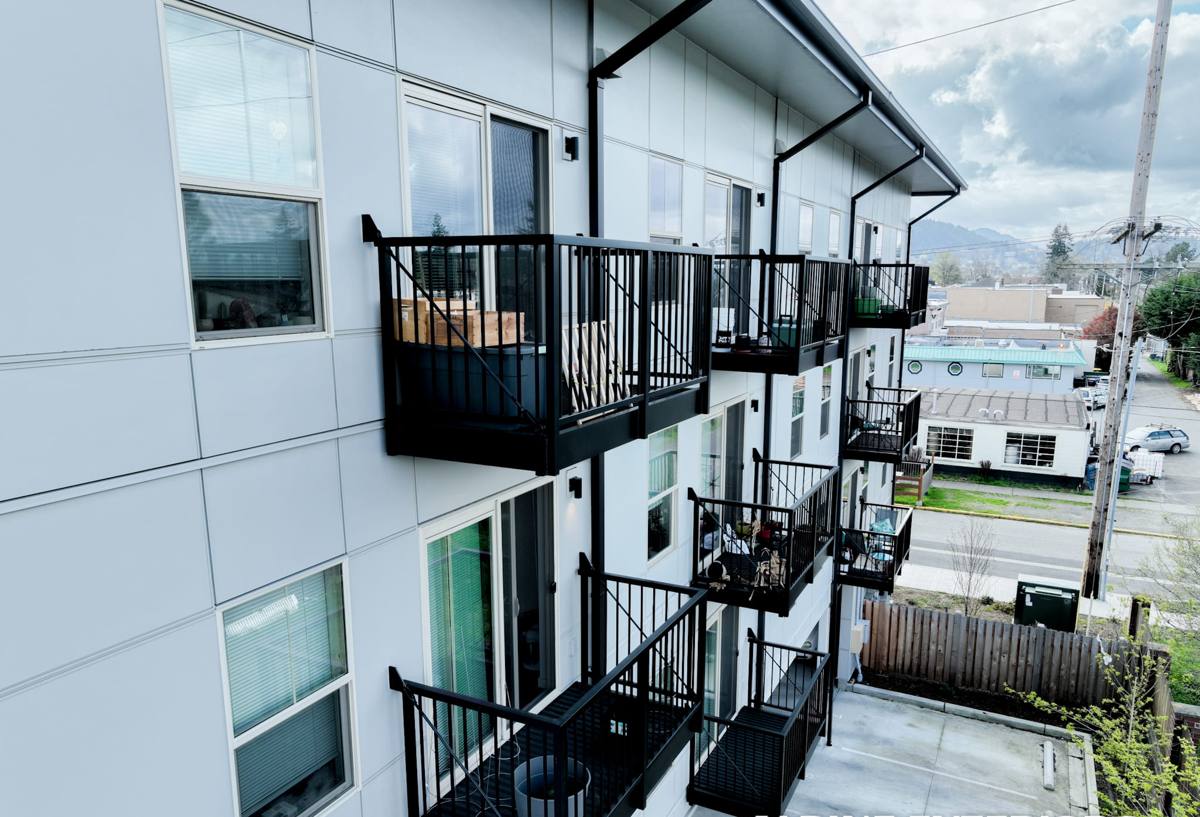
What Fiber Cement Siding Has to Get Right Here
Fiber cement is a strong baseline material for this climate, but "fiber cement" isn't one product — quality, engineering, and installation all determine whether it actually performs. In Downtown Sarasota, four things matter most.
Wind and Debris Resistance
Siding has to stay attached and intact through sustained high winds and the wind-borne debris that comes with tropical storms and hurricanes. That's a function of the panel's own strength, but just as much a function of fastener type, fastener spacing, and how tightly the installation follows the manufacturer's wind-zone specifications. Under-fastened or improperly nailed siding is one of the most common reasons panels fail in a storm, regardless of what the product is rated for on paper.
Moisture and Humidity
Wind-driven rain doesn't just hit siding — it gets pushed behind it, through seams, trim joints, and penetrations. Correctly installed fiber cement is designed to shed that water and let any moisture that does get behind it dry out, rather than trap it against the wall sheathing. Get the water-resistive barrier, flashing, and clearances wrong, and you create a moisture trap that causes rot and mold behind siding that still looks fine from the curb.
UV Exposure and Color Retention
Sarasota gets sun exposure that will fade, chalk, and break down ordinary paint finishes faster than in most of the country. Field-applied paint jobs — on any siding material — tend to need repainting on a much shorter cycle here than the same product would in a milder climate. A factory-applied, baked-on finish holds color and resists UV breakdown far longer than paint applied on site after installation.
Salt Air and Coastal Corrosion
Proximity to the Gulf means airborne salt settles on every exterior surface, including fasteners, flashing, and trim. Fiber cement panels themselves don't corrode, but the metal components used to install and finish them can, if the wrong grade of fastener or flashing is used. Coastal-grade hardware isn't optional this close to the water — it's a requirement for the assembly to hold up over time.
Why We Install Only James Hardie Fiber Cement
We install James Hardie exclusively — not LP SmartSide, not vinyl, not Cemplank or Allura, not primed spruce or cedar. That's a deliberate standard, not a brand preference for its own sake. Hardie's fiber cement is non-combustible, which matters in a state where wildfire risk and insurance underwriting increasingly factor exterior material into coverage and premiums. Hardie also engineers specific product lines — including its HZ5 formulation — for high-humidity, hot climates like Florida's Gulf Coast, rather than selling one general-purpose panel everywhere.
Just as important is the finish system. Hardie's ColorPlus technology is a factory-applied, baked-on finish, not a field-painted coating. In a high-UV market like Sarasota, that difference shows up directly in how long the color holds before it needs attention. Combined with a strong transferable warranty when the product is installed to Hardie's specification, it's the combination — climate-engineered substrate, factory finish, and warranty backing — that led us to standardize on this one product rather than offering several options with different trade-offs.
What a Correct Installation Involves
Fiber cement siding is only as good as the assembly behind it. A correct installation in a climate like this one involves several steps that are easy to skip and hard to notice once the siding is up.
Weather-Resistive Barrier and Flashing
Every wall gets a continuous weather-resistive barrier, with flashing integrated at windows, doors, and any wall penetration so water is directed out and away from the sheathing, not behind the siding. Seams in the barrier are lapped and sealed correctly, and flashing is installed before the siding goes up, not patched in afterward.
Fastening, Clearances, and Joints
Fasteners follow Hardie's published pattern and spacing for the local wind zone, using corrosion-resistant hardware appropriate for coastal exposure. Panels are held off horizontal surfaces like roofs, decks, and grade by the manufacturer's minimum clearance, so standing water and splash-back can't sit against the bottom edge. Butt joints are treated correctly — either flashed or sealed per specification — instead of just butted together and caulked over.
Trim, Caulking, and Paint
Trim boards, corners, and joints use sealants rated for exterior, high-UV use, applied at the joints that actually move with temperature and humidity swings rather than everywhere indiscriminately. Where field paint is required — trim, cut edges, fascia — it's a real exterior-grade product applied correctly, not a token touch-up.
Cost Factors for a Downtown Sarasota Siding Project
Every home is different, but the same handful of factors drive most of the cost variation we see on fiber cement projects in this area.
| Factor | Why It Matters Here |
|---|---|
| Home size and wall complexity | More corners, dormers, and trim details mean more cutting, flashing, and labor |
| Existing siding removal | Tear-off and disposal of old material adds time versus a clean substrate |
| Substrate and moisture repair | Rot or water damage found once old siding comes off has to be corrected before new siding goes on |
| Product line and profile | Lap width, texture, and color selection affect material cost within the Hardie lineup |
| Trim and finish scope | Full trim replacement versus reusing sound existing trim changes both cost and appearance |
| Access and site conditions | Lot size, setbacks, and staging space around Downtown Sarasota properties affect labor efficiency |
The only way to get an accurate number is a walk-through of the specific home — anyone quoting a firm price without seeing the house, the current siding condition, and the substrate underneath is guessing.
Our Installation Process
We start with an on-site inspection, checking the current siding, trim, and — where accessible — the condition of the sheathing underneath, since that's where hidden moisture problems usually show up. From there we walk the homeowner through product and color options within the Hardie lineup and confirm the panel type suited to the home's wind exposure. Before installation, we pull the required permits, since Sarasota County's wind-load requirements apply to exterior work on homes in this area. Installation follows Hardie's specification for fastening, clearances, and flashing detail, and we finish with a walk-through so the homeowner sees the completed work and understands what maintenance, if any, is expected going forward.
Maintaining Fiber Cement Siding in a Salt Air, High-UV Climate
One of the advantages of correctly installed fiber cement with a factory finish is how little upkeep it needs compared to wood or field-painted alternatives. That said, a coastal environment still calls for some routine attention:
- Rinse siding periodically to remove salt residue and airborne grime, especially on walls facing the water or prevailing wind
- Inspect caulked joints annually for cracking or separation, since sealant is typically the first component to age
- Check that gutters and downspouts are directing water away from the base of the walls, not saturating the lowest courses of siding
- Trim back landscaping that holds moisture against the siding or blocks airflow along a wall
- After any major storm, walk the exterior and look for loose panels, damaged trim, or fresh gaps in caulking
Why a Crew That Works Downtown Sarasota Matters
Wind-load requirements, moisture behavior, and salt exposure aren't abstract concerns here — they're the baseline conditions every siding job in this area has to be engineered around. A crew that regularly works Downtown Sarasota knows the local permitting process, understands how Sarasota County's wind provisions apply to a given home, and has already seen how different siding assemblies hold up over time in this specific environment, rather than a general climate zone. That familiarity shows up in fewer surprises during the project and in a finished installation that's actually built for the conditions the home will face for the next several decades.
If you're weighing siding options for a home in or around Downtown Sarasota, we're happy to take a look and walk you through what a correctly installed James Hardie system would involve for your specific house. Reach out for a free, no-pressure estimate using the form below.