 Sarasota Siding
 Why Lakewood Ranch Roofs Wear Out Faster Than People Expect
Lakewood Ranch sits inland from the Gulf, but "inland" in Sarasota County still means intense year-round sun, sudden tropical downpours, and direct exposure to hurricane-force wind events when storms track through the region. A roof here isn't just shedding rain — it's absorbing UV radiation almost every day of the year, cycling through thermal expansion and contraction on hot afternoons and cool nights, and taking on wind-driven rain that gets pushed sideways under shingle tabs and flashing edges instead of simply running off.
Salt-laden air off the Gulf also rides the sea breeze well inland across this part of Florida, which means fasteners, flashing, and metal roof accessories corrode faster here than they would in a drier, non-coastal climate. None of this means a roof in Lakewood Ranch is doomed to fail early — it means the installation has to be done correctly, with materials and details matched to what this specific climate actually does to a roof over 15-25 years, not what a generic install would assume.
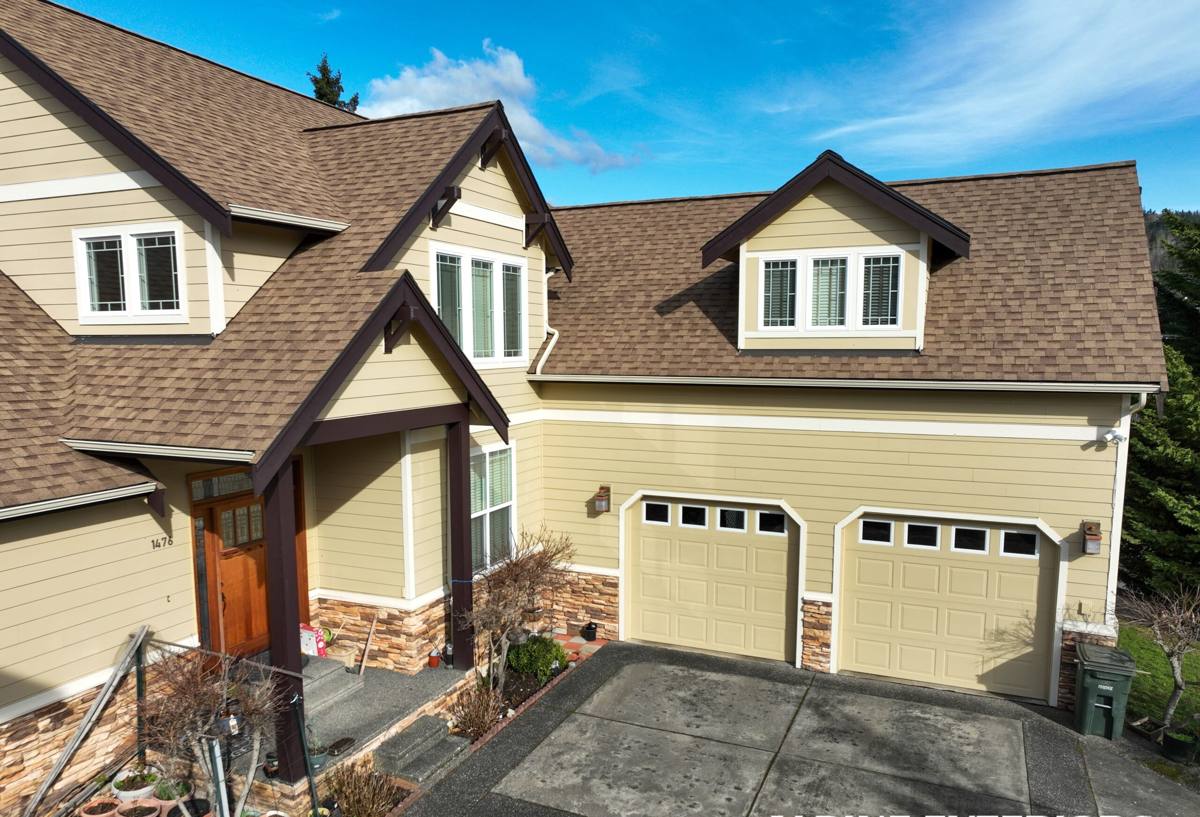
Signs a Lakewood Ranch Home Needs a New Roof, Not Another Repair
Roof repairs make sense when the underlying roof system is still sound and the damage is isolated. A full replacement makes sense when the roof as a whole has reached the end of its useful life, or when storm damage has compromised enough of the roof that patching it would just be delaying the inevitable at a higher long-term cost. Homeowners in this area should watch for:
- Shingles that are curling, cupping, or losing their granules in patches rather than just at one spot
- Soft or spongy decking felt through the attic floor or noticed during a walk-across inspection
- Daylight visible through the roof deck from inside the attic
- Recurring leaks in different locations after each repair, rather than the same spot reopening
- Visible sagging along the roofline, which usually points to decking or structural issues, not just surface wear
- A roof that's approaching or past 20 years old with asphalt shingles, especially if it's never had a tear-off
- Rising energy bills tied to failing attic ventilation or degraded roof insulation performance
If a roof is showing two or more of these at once, a full replacement is almost always the more cost-effective path over the following decade than continuing to chase repairs.
The HOA Factor: What Makes Lakewood Ranch Different From a Generic Re-Roof
Lakewood Ranch is made up largely of planned, deed-restricted communities, and most of those communities have an architectural review process that applies to roof replacement — not just paint colors and fences. That typically means shingle color, tile profile, and sometimes even manufacturer specifications need to be submitted and approved before work starts, and it means the finished roof needs to visually match or complement the surrounding streetscape.
This isn't a minor paperwork detail. Homeowners who skip it, or who assume any comparable shingle will pass, can end up facing a violation notice after the roof is already installed — which is a far more expensive problem to fix than a short delay up front. Part of doing this job correctly in Lakewood Ranch is knowing to ask about HOA requirements before ordering material, not after.
What We Recommend Checking Before Committing to a Product
Before finalizing shingle color or tile style, confirm with your specific community's association what's currently approved. Some communities maintain an approved-materials list; others review submissions case by case. Either way, building this step into the timeline up front avoids reordering material or re-submitting paperwork mid-project.
Roofing Materials That Actually Hold Up in This Climate
There's no single "best" roofing material for every Lakewood Ranch home — the right choice depends on the home's structure, the HOA's requirements, budget, and how long the homeowner plans to stay in the house. Here's how the common options compare for this specific climate:
| Material | Wind performance | UV / heat resistance | Typical lifespan | Maintenance |
|---|---|---|---|---|
| Architectural asphalt shingle | Good, when installed to Florida wind-rated specs | Moderate — granule loss over time from UV | 18-25 years | Low; periodic inspection |
| Concrete tile | Excellent when properly fastened and battened | Excellent — minimal UV degradation | 30-50 years | Moderate; underlayment beneath tile ages and needs eventual replacement |
| Standing seam metal | Excellent, among the highest wind ratings available | Excellent; reflects heat well | 40-60 years | Low; watch fastener and sealant condition near salt air |
| Clay tile | Excellent when properly installed | Excellent | 40-plus years | Moderate; individual tiles can crack from impact and need replacement |
Tile is common throughout many Lakewood Ranch neighborhoods both for its look and its wind and heat performance, but it's a heavier system that depends entirely on correct underlayment and fastening — a good-looking tile roof with a poorly installed underlayment will still leak. We'll walk through the honest trade-offs for your specific home rather than defaulting to whatever's easiest to install.
What a Correct Roof Installation Actually Involves
The visible shingles or tiles get all the attention, but the layers underneath are what actually determine whether a roof survives its first serious storm season. A correct installation in this climate includes:
Full Tear-Off, Not an Overlay
Florida building code generally requires removing the old roofing material down to the deck rather than layering new shingles over old ones. A tear-off also lets the crew inspect and repair any damaged or rotted decking before it's covered up — something you simply can't do with an overlay.
Sealed, Storm-Rated Underlayment
A self-adhering or high-quality synthetic underlayment, installed as a continuous secondary water barrier, is what keeps a home dry if wind-driven rain gets past the shingles or tile — which it will, in a strong enough storm. This layer matters more in a wind-driven-rain climate than in most of the country.
Proper Flashing at Every Penetration
Valleys, chimneys, skylights, vent pipes, and wall transitions are where the overwhelming majority of roof leaks actually start. Correctly formed and sealed flashing at each of these points is non-negotiable, not an upsell.
Wind-Rated Fastening Pattern
The number and placement of nails or fasteners, and whether adhesive or mechanical tile fastening is used, directly affects the roof's wind rating and, in turn, potential insurance credits. This is specified by Florida building code and should never be treated as a place to cut corners.
Balanced Attic Ventilation
Intake and exhaust ventilation need to work together to move heat and moisture out of the attic. Poor ventilation shortens shingle life from the underside and drives up cooling costs — both of which matter in a climate this hot.
Our Process, Start to Finish
- Inspection and estimate — We walk the roof and attic, document existing conditions, and give you a clear written estimate with no pressure to decide on the spot.
- Material and HOA coordination — We help confirm HOA-approved colors and materials before anything is ordered, so there are no surprises after installation.
- Permitting — We pull the required permit through the appropriate local building department and schedule required inspections.
- Tear-off and deck inspection — Old roofing comes off, decking is inspected, and any rotted or damaged sections are replaced before anything new goes down.
- Underlayment, flashing, and installation — Each layer is installed to code, with attention to the details that actually determine long-term performance.
- Cleanup and final walkthrough — The property is cleaned of debris and nails, and we walk the finished roof with you.
- Final inspection — The job is signed off by the local building department, and you receive documentation for your records and insurance file.
What Affects the Cost of a New Roof in This Area
Every roof is priced individually, but the main variables that move the number up or down are consistent across Lakewood Ranch homes:
| Factor | Why it matters |
|---|---|
| Roof size and number of facets | More square footage and more valleys/hips mean more material and labor |
| Pitch and accessibility | Steeper or harder-to-access roofs take longer and require more safety equipment |
| Material choice | Asphalt shingle, tile, and metal have significantly different material and labor costs |
| Decking condition | Rotted or damaged plywood found during tear-off needs replacement before installation continues |
| HOA-specific material requirements | Some approved products cost more than the base-grade equivalent |
| Ventilation upgrades | Adding or correcting intake/exhaust vents adds labor but improves long-term performance |
We give a written, itemized estimate before any work begins, so you know exactly what's driving the price rather than a single lump number.
Permits, Inspections, and Wind Mitigation Credits
A new roof in this area requires a building permit and passes through required inspections — this is standard for roofing work and isn't optional, regardless of who installs it. Once the roof is complete, it's worth scheduling a wind mitigation inspection with your insurance company. A roof installed to current code, with the correct fastening pattern, underlayment, and roof-to-wall connections, can often qualify for meaningful homeowners insurance discounts. We provide the documentation homeowners need to pursue that credit.
Why It Matters That the Crew Already Works in Lakewood Ranch
A roofing crew that regularly works in Lakewood Ranch already knows the local permitting process, has a working sense of what different HOAs typically approve, and understands how the area's exposure — sun, wind, and wind-driven rain — actually affects roofs over time versus a coastal or northern climate. That local familiarity translates into fewer surprises: fewer material orders that get rejected by an architectural review board, fewer permit delays from missing documentation, and a roof that's built for how weather behaves here, not a generic install.
It also means faster response if a storm comes through during or shortly after the project — a local crew isn't driving in from another region to handle a tarp-down or an emergency inspection.
Get a Free, No-Pressure Estimate
If your Lakewood Ranch roof is showing its age, was damaged in a recent storm, or you're just trying to plan ahead before it becomes an emergency, we're happy to take a look and give you an honest assessment — no obligation, no pressure. Fill out the form below to schedule a free estimate.