 Sarasota Siding
 Siding Installation Built for Fruitville's Climate
Fruitville sits inland from Sarasota Bay but still takes the full brunt of what Gulf Coast weather throws at a house. Hurricane-force winds test every fastener and seam. Year-round UV bakes exterior surfaces for more months than almost anywhere else in the country. Wind-driven rain finds any gap in a wall system and pushes moisture where it doesn't belong. And even set back from the coast, salt air still drifts in and works on anything not built to resist it. Siding in this part of Sarasota County isn't a cosmetic decision — it's a structural one, and the material and installation method matter as much as the color you pick.
This page focuses on one thing: siding installation for homes in and around Fruitville. Not a general overview of siding, and not a citywide pitch — the specific job of putting new siding on a Fruitville house correctly, built to survive the conditions this area actually sees.
What Fruitville Homes Need From Their Siding
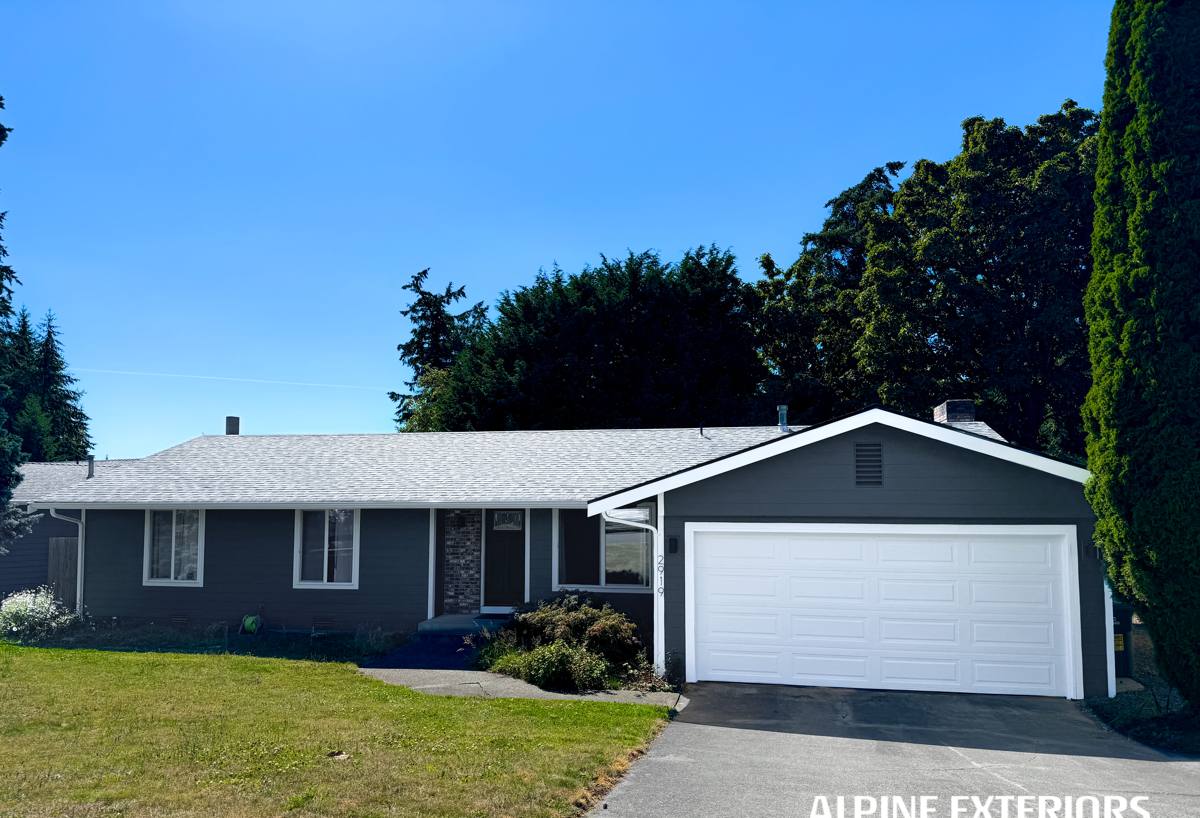
Fruitville's housing stock runs the range you'd expect from an established inland Sarasota neighborhood — single-story ranch homes from past decades sitting alongside newer construction, many with the wood, vinyl, or aging fiber cement siding that was standard when they were built. A lot of these homes are due for a re-side simply because the original material has reached the end of its useful life: faded and chalky paint, warped boards, cracked panels, or moisture damage creeping in at the bottom courses and around window trim.
Whatever siding goes up next needs to handle four things at once, year after year:
- Sustained high wind loads during tropical storms and hurricanes, not just a single big gust
- Constant UV exposure that fades color and breaks down weaker materials faster than in northern climates
- Wind-driven rain that gets forced sideways and upward under normal lap siding if flashing and laps aren't done right
- Humidity and salt-laden air that accelerates rot, corrosion, and mold growth on anything moisture-permeable
A siding job that ignores any one of those four is a job that fails early — usually quietly, behind the wall, before it ever shows up as a visible problem.
Why We Install Only James Hardie Fiber Cement
We install one siding system on Fruitville homes: James Hardie fiber cement. Not vinyl, not LP SmartSide, not primed wood, not other fiber cement brands. That's a deliberate standard, not a lack of options.
Vinyl softens and can warp under sustained Florida heat, and it has physical limits on wind resistance that matter in a hurricane-exposed area like Sarasota County. Wood and wood-based composite siding depend on an intact paint or coating layer to keep moisture out — miss a spot, get a scratch, or let caulk fail, and water gets into the substrate, which is a real problem in a climate this humid. Fiber cement from other manufacturers can perform reasonably well, but we've standardized on James Hardie specifically because of how the product is engineered and backed, and we'd rather install one system well than juggle several we install less carefully.
The HZ5 Product Line Engineered for This Climate
James Hardie makes region-specific formulations, and the HZ5 line is engineered for the wetter, more humid parts of the country — which includes Southwest Florida. It's built to resist moisture-related damage better than a generic formulation, which matters when a house sits in a coastal-influenced humidity zone for twelve months of the year.
Hardie's ColorPlus finish is baked on in a factory-controlled process rather than field-applied, which gives it better UV and fade resistance than a job-site paint job — a real advantage under Sarasota's sun load. Fiber cement is also non-combustible, which isn't a coastal-specific benefit but is a meaningful one regardless of location. And James Hardie backs the product with a substantial transferable limited warranty, which only holds real value when the installation itself was done to spec — which is the other half of this equation.
What a Correct Siding Installation Actually Involves
Fiber cement siding is only as good as the assembly it's installed into. The board itself can be excellent and still fail early if the water-resistive barrier, flashing, fastening, and clearances underneath it are wrong. This is where a lot of siding jobs — on any brand — go bad.
A correct install on a Fruitville home includes:
- Full removal or inspection of the substrate, with any rot, water damage, or compromised sheathing repaired before new material goes up
- A properly lapped and sealed water-resistive barrier (house wrap) as the primary drainage plane behind the siding
- Correct flashing at every window, door, and roofline penetration so wind-driven rain has a defined path out, not in
- Proper starter strip installation at the base of the wall so the first course sits at the correct angle and gap
- Manufacturer-specified fastener type, size, and spacing — under-fastening is one of the most common causes of wind-related siding failure
- Correct minimum clearances from roof lines, decks, and grade to prevent standing water and wicking
- Field-cut edges sealed per manufacturer specification, since factory-finished edges are the only ones already protected
- Proper caulking at butt joints and trim — enough to seal, not so much that it blocks the assembly's ability to shed water
Skip or rush any one of these steps and the siding can look fine for a year or two while a problem builds behind it.
Our Installation Process
Every Fruitville siding project follows the same sequence, whether it's a full re-side or a section replacement:
1. Assessment and Measurement
We walk the exterior, check the condition of the existing siding and substrate, take precise measurements, and identify any problem areas — soft sheathing, prior water damage, trim that needs to be addressed alongside the siding.
2. Tear-Off and Substrate Repair
Old siding comes off, the sheathing gets inspected, and anything compromised is repaired or replaced before we move forward. Installing new siding over damaged substrate just hides the problem — it doesn't fix it.
3. Water-Resistive Barrier and Flashing
House wrap goes on with correct overlaps, and flashing is installed at every window, door, and penetration point. This layer does more long-term work than the siding itself — it's the actual drainage plane.
4. James Hardie Installation
Starter strips, then courses of HardiePlank or the appropriate Hardie product for the application, installed to manufacturer fastening and clearance specifications throughout.
5. Trim, Caulking, and Final Detail
Trim work, corner detailing, and caulking at joints and penetrations, with attention to keeping the assembly able to drain rather than sealing it shut.
6. Walkthrough and Cleanup
A final walkthrough of the completed work, with full job-site cleanup before we consider the project done.
Cost Factors for a Fruitville Siding Project
Every home is different, so we don't quote a number without seeing the house — but these are the main variables that move the price up or down:
| Factor | Why It Matters |
|---|---|
| Home size and wall complexity | More square footage and more corners, gables, and cutouts mean more material and labor |
| Substrate condition | Rot or water damage discovered at tear-off requires repair before new siding goes up |
| Existing siding type | Removal difficulty varies between vinyl, wood, and old fiber cement |
| Hardie product selection | Lap profile, panel style, and trim choices carry different material costs |
| Trim and detail work | Windows, soffits, fascia, and architectural trim add labor time |
| Story height and access | Second-story and hard-to-access walls require more equipment and time |
Why Hiring a Crew That Already Works Fruitville Matters
Siding installed in Sarasota County has to satisfy local building code requirements for wind resistance, and permitting and inspection processes are part of any legitimate re-side project — not an optional step. A crew that regularly works this part of Sarasota knows the inspection expectations, the wind-load requirements that apply to the area, and how the local climate behaves across all four seasons, not just how a spec sheet reads. That familiarity shows up in the details: how flashing is handled around openings, how fastening patterns are checked, and how the job is sequenced around Florida's rain patterns so open walls aren't left exposed longer than necessary.
It also matters for accountability. A local, established contractor is the one who answers the phone if a warranty question comes up five years down the road — not a crew that moved on to a different region.
Mistakes We See on Improperly Installed Siding
When we're called to inspect or repair siding that was installed by someone else, the same handful of problems come up again and again:
- Missing or improperly lapped flashing around windows and doors, letting wind-driven rain track behind the siding
- Fasteners driven too high, too low, or too far apart, weakening the wind resistance of the whole wall
- Siding installed with insufficient clearance from the roofline or grade, trapping moisture at the base
- Unsealed field-cut edges, which lets moisture into the fiber cement at the exact spot it's most vulnerable
- Caulk used to compensate for gaps and misalignment instead of correcting the installation itself
Every one of these is avoidable with correct technique. None of them show up on a spec sheet — they show up in how the crew actually installs the product.
Ready for an Estimate?
If your Fruitville home's siding is fading, cracking, or showing signs of moisture damage, we're happy to take a look. We'll walk the exterior with you, explain what we find, and put together a straightforward, no-pressure estimate for James Hardie siding installation done right for this climate. Use the form below to get started.