 Sarasota Siding
 Siding Replacement in Fruitville: What This Sarasota Community Needs
Fruitville is one of Sarasota County's older unincorporated communities, a stretch of established neighborhoods and newer development along the Fruitville Road corridor that connects downtown Sarasota to the county's inland growth areas. The housing stock here spans decades — mid-century ranch homes that have already been through at least one re-side, newer construction with its original siding still intact, and everything in between. Whatever the age of the house, the exterior faces the same set of stresses that define exterior work across this part of Florida: hurricane-force winds, intense year-round UV, wind-driven rain, and salt air that works on a building envelope every single day, not just during storm season.
This page is specifically about siding replacement for Fruitville homes — what the local climate does to siding over time, what a correct replacement actually involves, how our process works from first inspection to final walkthrough, and why it matters to hire a crew that already works in this part of Sarasota County rather than one passing through.
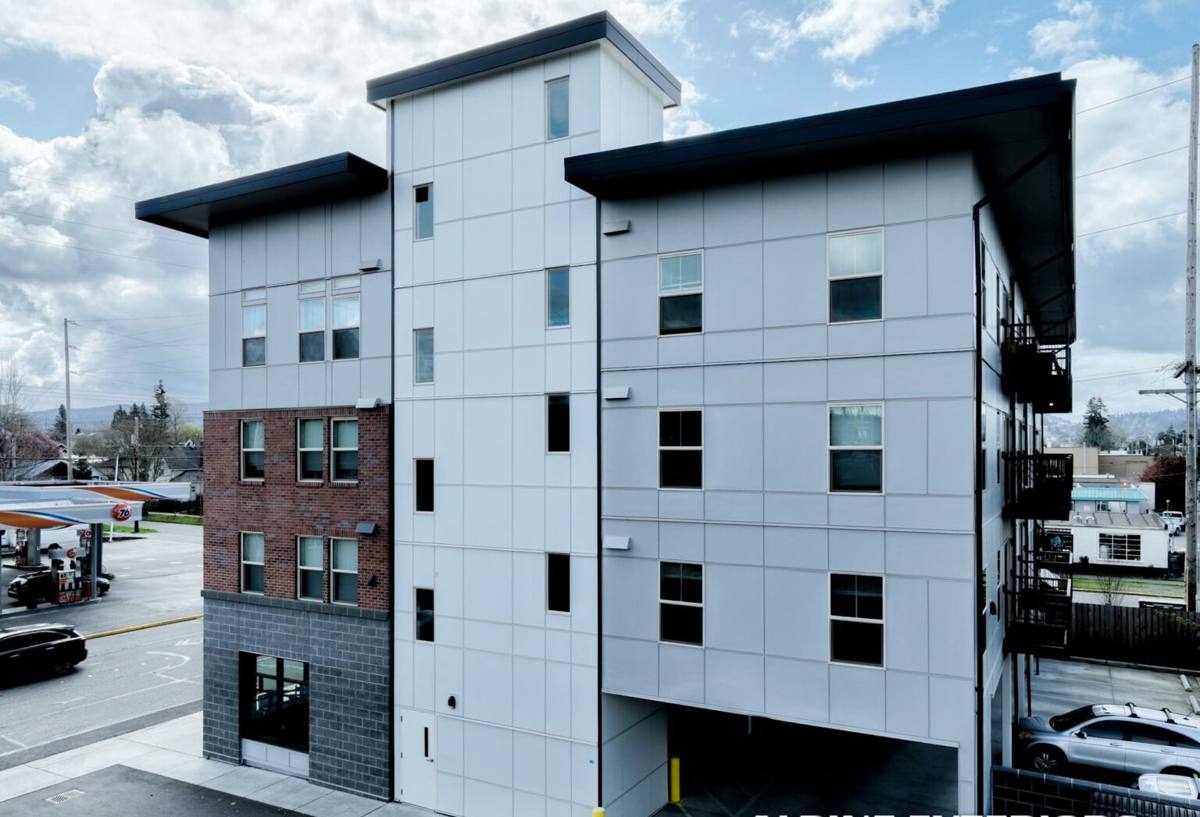
What Sarasota County's Climate Does to Aging Siding
Hurricane-Force Wind Loads
Sarasota County sits squarely in a hurricane-exposed part of the Gulf Coast, and every home's siding is engineered-load exterior, whether the owner thinks about it that way or not. Sustained hurricane-force gusts put real pressure on every fastener, joint, and panel edge, and that load doesn't fall evenly — corners, eaves, and gable ends typically take the highest suction forces during a wind event. Siding that's already loose, cracked, or poorly fastened is where a storm finds its first opening, and older installations that predate current wind-load fastening practices are the ones most likely to show it.
Intense, Nearly Year-Round UV
Florida's sun angle and day length mean Fruitville homes absorb far more cumulative UV exposure per year than siding in most of the country, and it doesn't really let up in winter the way it does farther north. UV breaks down pigment binders in lower-grade paints and coatings, which is why so many older homes show chalky, faded siding on their sun-facing walls years before the shaded side of the same house looks worn. That's not a sign of bad luck — it's just what unprotected coatings do under this much sun, year after year.
Wind-Driven Rain
Straight-down rain is easy for almost any siding to shed. Rain that gets pushed sideways by a strong afternoon storm or a tropical system is a different problem entirely — it finds its way into butt joints, fastener penetrations, and trim intersections that stay dry in calm weather. Over a season or two, homes with aging caulk lines or marginal flashing start showing water intrusion at exactly those points, often well before any damage is visible from the ground.
Salt Air, Even This Far Inland
Fruitville sits back from the immediate coastline, and its siding doesn't take the same direct salt load that a barrier island home does. But Gulf-driven salt air still travels inland on prevailing winds, especially ahead of and during storm systems, and it settles on exterior surfaces across the whole county, not just the waterfront. The effect is slower and less concentrated here than on Longboat Key or Siesta Key, but it's still present — enough that fastener corrosion and finish wear show up on inland Sarasota County homes over time, just on a longer curve than coastal properties.
Signs a Fruitville Home Needs Siding Replacement, Not Just a Repair
Not every siding problem calls for full replacement, but certain signs point past the point where patching or spot repair makes sense. Homeowners in Fruitville should watch for:
- Soft or spongy siding when pressed, especially low on the wall or around window and door trim
- Visible warping, buckling, or gaps between panels, particularly after storm season
- Paint that's chalking or fading unevenly, worse on sun-facing elevations than shaded ones
- Rust streaks or visibly corroded fasteners and trim
- Musty odors or staining on interior walls that back up to exterior siding
- Siding that's original to a home built more than two decades ago, with no documented replacement
- Repeated repairs to the same section of wall rather than one that's held up on its own
Any one of these on its own might just mean a repair. Several together, or a home that's due for its age, usually means it's time to look at full replacement before the next storm season rather than after damage has already spread into the sheathing.
What a Correct Siding Replacement Involves
Tear-Off and What's Underneath
A siding replacement starts with removing the old material and actually looking at what's behind it — the sheathing, the framing, and whatever water-resistive barrier, or lack of one, was there before. This is where hidden problems usually surface: soft sheathing near old window flashing, framing that's taken on moisture over years, or a house wrap that was never properly lapped in the first place. Skipping this step, or rushing past it, means covering up problems instead of fixing them.
Water-Resistive Barrier and Flashing
Once the wall is exposed, a continuous, properly lapped water-resistive barrier goes on, along with correctly sequenced flashing at every window, door, and wall penetration. This layer is what actually keeps wind-driven rain from reaching the sheathing if any gets past the siding itself, and it's almost entirely invisible once the job is done — which is exactly why it's worth confirming a contractor takes it seriously rather than treating it as an afterthought.
Fastening to Spec and Sarasota County Wind Code
Sarasota County's building code sets minimum wind load and fastening requirements for exterior work, and those requirements exist because of exactly the storm exposure this area sees. Correct fastener type, spacing, and penetration depth aren't optional details — they're the difference between siding that stays put in a hurricane-force gust and siding that becomes flying debris. We pull permits and install to the county's actual current requirements rather than a generic, out-of-state standard.
Trim, Joints, and Finish Details
The last stage is where a lot of long-term performance gets decided — sealed butt joints, properly treated cut edges, corner boards and trim that match the chosen product line, and a final check of caulking and clearances. None of this is complicated work, but skipping it is one of the more common reasons siding that looked fine on install day starts showing problems within a few years.
Why We Install Only James Hardie Fiber Cement in Fruitville
We install James Hardie fiber cement exclusively. We don't offer vinyl, LP SmartSide, Cemplank, Allura, primed spruce, or cedar, and that's a professional standard we settled on rather than a sales pitch. Fiber cement doesn't absorb and release moisture through its fiber structure the way wood-based products do, so it doesn't swell, cup, or delaminate at cut edges the way engineered or solid wood siding can after repeated wet-to-sun cycling — a cycle that happens often and abruptly in this climate. It's also non-combustible, which matters for both safety and insurance considerations on a Florida home.
For Gulf Coast markets like Sarasota, that typically means Hardie's HZ10 product line, engineered specifically for regions with the highest sustained humidity and moisture exposure. The factory-applied ColorPlus finish is baked on under controlled conditions rather than brushed on in the field, which is what lets it hold color and resist chalking under Florida's UV load far longer than a field-painted surface. Hardie backs the installed product with a strong transferable warranty, provided the work follows their published spec — which is also why we don't cut corners on the installation details above. Vinyl and engineered wood both have a place in the market and homeowners who are satisfied with them, but for the wind, UV, rain, and salt exposure a Fruitville home actually sees, we'd rather install one system we fully stand behind than offer something cheaper that quietly shifts maintenance risk onto the homeowner down the road.
Siding Replacement Cost Factors for a Fruitville Home
| Factor | What Drives It | Why It Matters Here |
|---|---|---|
| Home size and number of stories | More wall area and access complexity | Larger and multi-story homes take longer and need more material and labor |
| Condition of existing sheathing | Whether hidden moisture or rot is found during tear-off | Wind-driven rain and years of humidity make sheathing repair a common finding, not a rare one |
| Trim and architectural detail | Corner boards, window trim, gable treatments | More detail means more cutting, sealing, and finish work to get right |
| Product line and profile | Lap siding, panel, or shingle-style Hardie products | Different lines carry different material and labor costs |
| Color and finish choice | Standard ColorPlus palette vs. field-painted options | Factory finish holds up longer against Sarasota's UV load, which affects long-term value |
These are general cost drivers, not a quote. Every Fruitville home has a different mix of age, existing condition, and detail complexity, and we won't put a real number on a project without walking the property first — over the phone or from a photo isn't enough to know what's actually going on behind the existing siding.
How Our Process Works, Start to Finish
Inspection and Estimate
Every project starts with a walk of the exterior, checking for soft spots, existing damage, and signs of past water intrusion, followed by a straightforward written estimate that explains what we found and why it affects the scope.
Permitting in Sarasota County
We pull our own permits and handle the paperwork with the county, so the project meets current wind load and fastening code rather than relying on the homeowner to sort that out.
Tear-Off and Substrate Repair
Old siding comes off, the sheathing and framing get inspected, and any damage found gets repaired or replaced before anything new goes back on the wall.
Installation to Manufacturer Spec
Water-resistive barrier, flashing, and James Hardie siding go on following the manufacturer's published fastening, clearance, and joint-treatment requirements, not a shortcut version of them.
Final Walkthrough
We walk the finished job with the homeowner, cover caulking and care instructions, and make sure everything matches what was scoped at the estimate.
Why a Crew That Already Works in Fruitville Matters
A lot of what determines how well new siding performs happens in details that don't show up in a walk-through once the job is finished — how flashing is lapped, how much clearance is left at the bottom course, whether cut ends are sealed, whether fasteners are driven to the correct depth for this wind zone. A crew that regularly works Fruitville and the surrounding Sarasota County area has already seen how those details play out on homes just like this one, across real hurricane seasons, not just on a spec sheet. That includes knowing what Sarasota County's permitting office actually looks for, which parts of an older Fruitville home are most likely to need sheathing repair once the old siding comes off, and how much of a margin this specific climate demands versus a generic national installation standard.
If your Fruitville home is due for siding replacement, or you're just not sure whether what you're seeing is a repair or a full re-side, we're glad to take a look and give you a straightforward, no-pressure estimate. Reach out using the form below to get started.