 Sarasota Siding
 Storm Damage Roofing on a Barrier Island Is a Different Job
Longboat Key sits out on the barrier island between Sarasota Bay and the Gulf of Mexico, and that location changes what "storm damage" means for a roof here. A roof a few miles inland in Sarasota County deals with wind and rain. A roof on Longboat Key deals with wind, wind-driven rain, direct salt spray, and near-constant UV exposure off the open water, often all at once during the same weather event. We repair storm-damaged roofs across the Sarasota area, and the work we do on Longboat Key specifically accounts for that combination — not just the wind speed on a weather report, but what salt air and sun have already done to the roof before the storm ever hit.
This page covers what we look for, how we repair it, and why the exposure out here calls for a contractor who already understands barrier island roofs — not a general contractor treating it like any other Sarasota County repair.
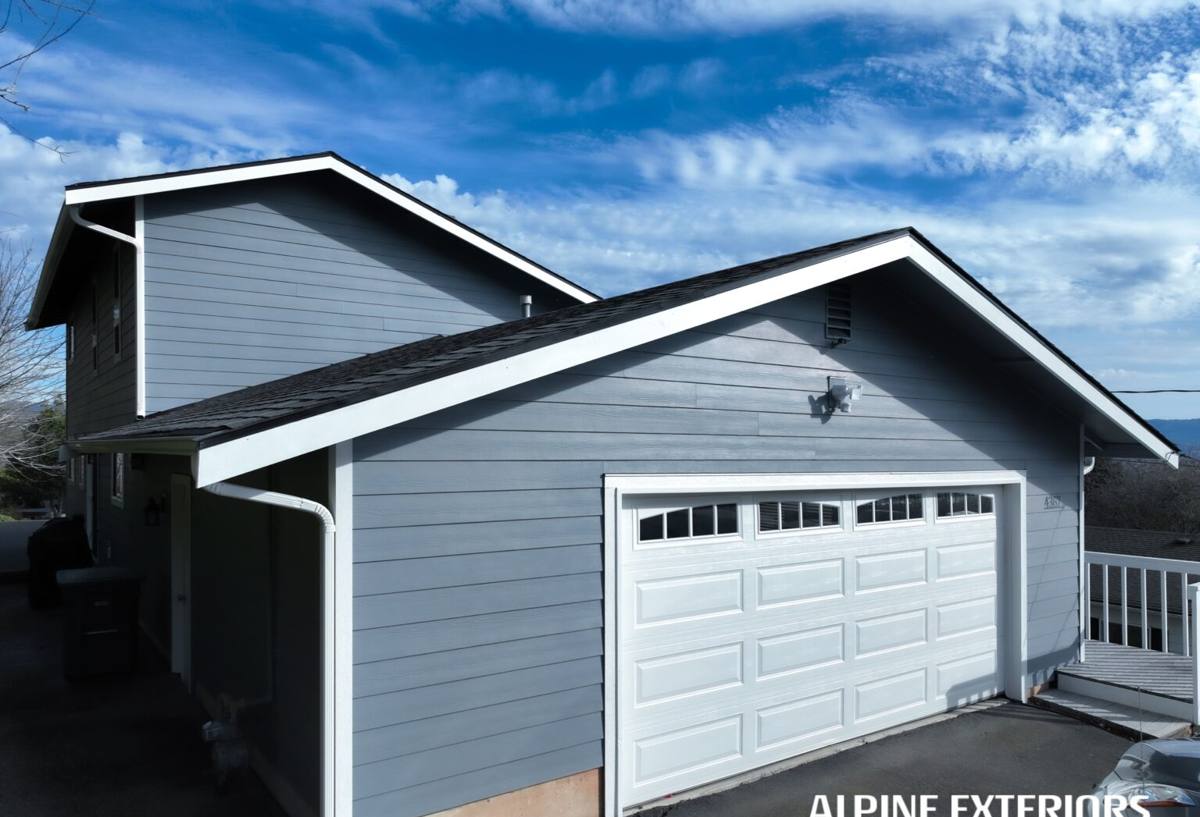
What Hurricane-Force Wind and Wind-Driven Rain Actually Do to a Roof
Storm damage isn't always a hole you can see from the driveway. On Longboat Key we see a mix of obvious and hidden damage after wind events, and both need to be addressed:
- Lifted or missing shingles/tiles — wind gets under an edge, breaks the seal, and either tears the material off or leaves it loose enough to fail in the next storm.
- Wind-driven rain intrusion — rain pushed sideways under ridge caps, flashing, and roof-to-wall transitions, even when the roof surface itself looks intact.
- Flashing separation — around chimneys, skylights, vents, and parapet walls on flat-roof sections, which is one of the most common leak sources we find on barrier island homes.
- Granule loss on shingles — accelerated by salt air and UV, which thins the shingle's protective layer and makes it more vulnerable in the next storm even if nothing looks "broken."
- Fastener and underlayment failure — repeated wind cycling loosens fasteners over time, so a roof that survived one storm can fail in a smaller one later.
The tricky part is that wind-driven rain and salt-air degradation often don't show up as a visible leak until they've been working on the roof for months. That's why we inspect the whole system after a storm, not just the spot the homeowner noticed.
Why Salt Air and UV Change the Repair, Not Just the Roof
Standard roofing guidance is written for inland conditions. On Longboat Key, salt-laden air corrodes exposed metal fasteners, flashing, and vent components faster than it would a few miles east, and constant reflected sun and heat off the Gulf accelerates the breakdown of asphalt shingles and sealants. That combination means:
- We use corrosion-resistant fasteners and flashing rated for coastal exposure, not standard-grade hardware.
- We check adjacent flashing, fasteners, and sealant runs even when only one section shows storm damage, because salt and UV degrade the whole roof at a similar rate.
- We don't treat a "small" repair as a patch-and-go job if the surrounding material is already brittle from sun and salt exposure — patching sound material onto compromised material just moves the failure point.
Sarasota County Wind Zones and Building Code
Sarasota County enforces Florida's high-velocity and wind-borne debris region requirements, and barrier island properties like Longboat Key typically fall under the stricter end of those wind-load and impact standards. That affects what materials and installation methods are code-compliant for a repair, not just what's available at a supply house. Any repair we do is pulled to current code, with proper permitting where required — we don't cut corners to make an estimate look cheaper, because a repair that doesn't meet code can create problems at resale or insurance renewal.
Repair or Replace: How We Make That Call
Not every storm-damaged roof needs full replacement, and not every damaged section can be safely patched. We base the decision on the roof's age, the extent of the damage, and what's underneath the surface layer — not on which option is more profitable for us. Here's roughly how we think through it:
| Situation | Typical Approach | Why |
|---|---|---|
| Isolated wind damage, roof under ~10 years old, underlayment intact | Targeted repair | Surrounding material still has useful life and a sound seal |
| Repeated storm damage in the same area over multiple seasons | Repair plus root-cause fix (flashing, ventilation, fastening pattern) | Patching the same spot repeatedly means the underlying cause was never addressed |
| Roof near or past its expected service life with storm damage | Full or sectional replacement | Salt air and UV have already shortened remaining life; a repair won't hold as long |
| Widespread granule loss or brittle shingles found during inspection | Replacement recommended even if the "storm damage" itself is localized | Surrounding material may not survive the next storm regardless of the current repair |
| Hidden water intrusion with wood deck damage | Deck repair/replacement plus roofing repair | New roofing over a compromised deck won't hold or perform as installed |
We explain which category a roof falls into and why, in plain terms, before any work starts — not just a one-line estimate.
Our Storm Damage Repair Process
1. Inspection, Inside and Out
We inspect the full roof system, not just the reported damage area — decking, flashing, ventilation, fasteners, and interior ceilings/attic space where accessible, since wind-driven rain often shows up there first.
2. Documentation
We photograph and document findings clearly enough to support an insurance claim if the homeowner is filing one. This is done before any repair work starts, since insurers need to see the damage as it was found.
3. Temporary Protection When Needed
If a roof has active exposure — missing material, an open flashing gap, exposed decking — we prioritize getting it weathertight first, then schedule the full repair, so a second storm or heavy rain doesn't turn a repair into a full replacement.
4. The Repair Itself
Matched or code-appropriate materials, corrosion-resistant fasteners and flashing, and proper sealing at every penetration and transition point — installed to current Sarasota County wind and impact requirements.
5. Final Walkthrough
We walk the completed repair with the homeowner and explain exactly what was done and why, including anything we flagged for future attention.
Insurance Claims: What Homeowners Should Know
Most storm damage repair work on Longboat Key involves an insurance claim of some kind, given the cost and frequency of coastal storm exposure. A few honest points on this:
- We document damage thoroughly, but the insurance decision and payout are between the homeowner and the carrier — we're not adjusters and won't promise a claim outcome.
- Getting a roof inspected and documented soon after a storm matters, since some damage (granule loss, minor flashing separation) can be harder to date convincingly the longer it sits.
- We provide honest, accurate scopes of work — not inflated estimates designed to maximize a claim payout. That approach holds up better if a claim is ever questioned or audited.
Materials We Use for Coastal Storm Repairs
| Component | Standard Grade | What We Use on Longboat Key |
|---|---|---|
| Fasteners | Standard galvanized | Stainless or coated corrosion-resistant fasteners rated for coastal/salt exposure |
| Flashing | Standard aluminum | Corrosion-resistant flashing matched to the roof system, sealed for wind-driven rain |
| Underlayment | Standard felt | Wind- and impact-rated synthetic or self-adhering underlayment per current code requirements |
| Sealants | General-purpose | UV- and salt-stable sealants rated for direct sun and coastal exposure |
Why a Crew That Already Works Longboat Key Makes a Real Difference
A roofer who mostly works inland Sarasota County jobs isn't wrong about roofing — they're just working from a different baseline. Barrier island homes need corrosion-aware material choices, an eye for salt and UV degradation that hasn't caused a leak yet, and familiarity with the permitting and code requirements that apply specifically to high-wind coastal zones. A crew that regularly works Longboat Key has already seen how a given roof type ages out here, which shortens the guesswork on both the inspection and the repair.
It also matters for access and timing. Barrier island properties — especially condos and homes with limited parking or shared access — often have logistics that differ from a standard mainland job site. A crew familiar with the area plans for that instead of discovering it on arrival.
What to Do Right After a Storm
- Do a safe visual check from the ground — don't get on the roof yourself, especially with wind or rain still active.
- Look inside for ceiling stains, damp drywall, or musty odors, which can indicate a leak even without visible exterior damage.
- Photograph anything visible from the ground or from inside for your own records, in addition to what your contractor documents.
- Cover exposed areas only if you can do so safely — otherwise wait for a professional rather than risking a fall.
- Call for an inspection promptly rather than waiting, since exposed decking and underlayment can deteriorate quickly in Florida humidity.
- Keep any receipts for temporary repairs or protective measures — insurers often want these for a claim.
Get a Straight Answer on Your Roof
If your Longboat Key roof took wind or storm damage, the right first step is a clear, honest inspection — not a sales pitch. We'll tell you what we find, what it means for repair versus replacement, and what it will actually take to make the roof sound again. Reach out using the form below for a free, no-pressure estimate.