 Sarasota Siding
 Longboat Key Roofs Work Harder Than Roofs Ten Miles Inland
Longboat Key sits out on the barrier island between the Gulf of Mexico and Sarasota Bay, and that location changes what a roof needs to survive. A roof on this stretch of the Sarasota coast deals with hurricane-force wind gusts during storm season, wind-driven rain that gets pushed sideways into laps and flashing joints, salt-laden air that eats away at metal fasteners and coatings year-round, and intense, near-constant UV exposure that breaks down sealants and shingle granules faster than it does a few miles east. None of that means a Longboat Key roof needs to be exotic or overbuilt. It means the installation has to be done correctly, with the right materials and details, instead of treated like a standard inland re-roof.
A new roof installation here is a bigger investment than roof repair, and it's also the point where every decision — material, fastening pattern, underlayment, flashing — either sets the home up to handle the next fifteen or twenty years of Gulf weather, or sets it up for early problems that show up as leaks, corrosion streaks, or a failed insurance inspection.
What a Correct New Roof Installation Actually Involves
"New roof" sounds simple, but the parts of the job that actually determine how it performs in a coastal wind event are mostly invisible once the work is done. This is where corners get cut on rushed jobs, and where it matters most on a barrier island.
Wind Resistance Starts Below the Roof Covering
Florida's building code sets minimum wind-uplift and fastening requirements, and homes closer to open water are typically in a higher wind-speed design zone than homes further inland. That affects nail count and placement, fastener type, and in some cases the underlying sheathing attachment. A correctly installed roof follows the fastening schedule for the actual wind zone the home sits in — not a generic pattern used everywhere else in the county.
The Underlayment Is the Real Waterproofing Layer
The visible roof covering — shingles, tile, or metal panels — sheds most water, but during a wind-driven rain event, water gets forced sideways and upward under the covering. The underlayment underneath is the layer that actually keeps that water out of the house. On Longboat Key installations we pay particular attention to self-adhering, high-wind-rated underlayment at eaves, valleys, rakes, and around every penetration, because those are the spots where wind-driven rain finds a way in first.
Flashing Is Where Most Roofs Actually Fail
Chimneys, sidewalls, skylights, vent stacks, and roof-to-wall transitions all need metal flashing, and on a coastal roof that flashing needs to be a material that holds up to salt air rather than corroding and opening a gap within a few years. Most of the leaks we get called out to investigate on older coastal roofs aren't a failed shingle — they're a flashing detail that was undersized, poorly lapped, or made from the wrong metal for a salt-air environment.
Material Choices for a Longboat Key Home
There's no single "correct" roofing material for the barrier island — the right choice depends on the home's structure, its architectural style, HOA or association requirements where they apply, and how much the homeowner wants to spend upfront versus over the roof's lifespan. Here's how the common options compare for this specific environment.
| Material | Typical Lifespan Here | Wind Performance | Salt-Air Considerations | Relative Upfront Cost |
|---|---|---|---|---|
| Architectural (dimensional) asphalt shingle | 15–25 years | Good, when installed with a high-wind fastening pattern and rated shingle | Granule and sealant breakdown accelerated by UV and salt exposure; needs periodic inspection | Lower |
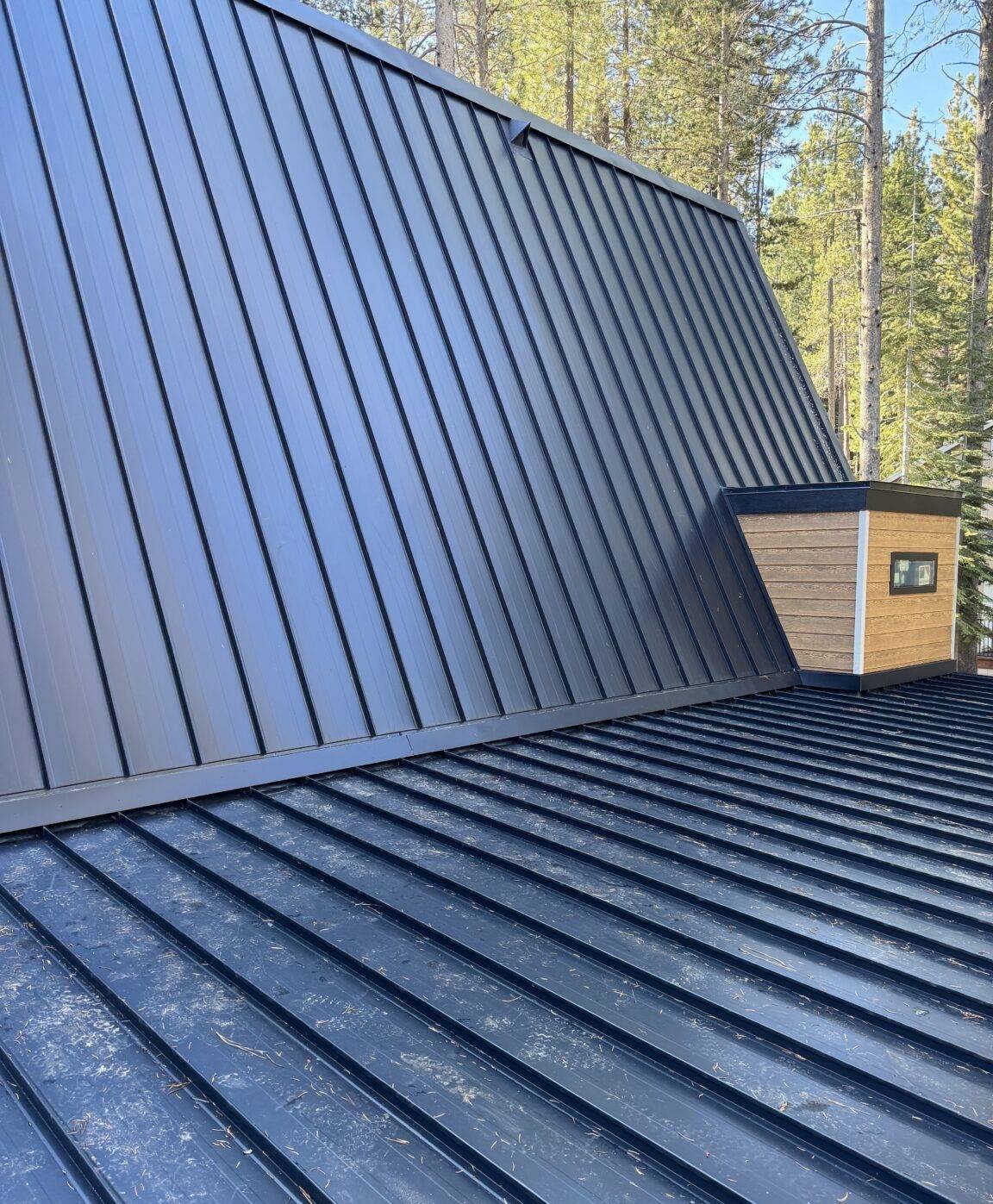
| Standing-seam metal | 30–50 years | Very good; concealed fasteners and continuous panels resist uplift well | Coating and fastener quality matter a great deal; marine-grade specs recommended this close to the Gulf | Higher |
| Concrete or clay tile | 30–50 years | Very good when properly fastened; heavy and stable in wind, but individual tiles can crack from impact | Tile itself is largely unaffected by salt air; fasteners and underlayment beneath it are what age | Higher |
Whatever material a homeowner chooses, the underlayment, flashing, and fastening details underneath it matter more to long-term performance than the covering itself. We'll walk through the honest trade-offs — maintenance burden, upfront cost, appearance, and how the warranty is structured — for the home's specific roof shape and HOA or association rules, rather than pushing one product across the board.
Permits, Codes, and the Realities of Building on the Key
A full roof replacement requires a permit pulled through the local building department, along with inspections at defined points in the process — typically after tear-off and deck inspection, and again at final completion. On the barrier island, many properties also fall under an HOA, condo association, or architectural review process that governs approved materials and colors, so that gets checked before ordering materials, not after.
Wind mitigation matters here too. Florida property insurers increasingly ask for documentation of roof age, covering type, and installation details — a properly permitted, code-compliant new roof with the right fastening and underlayment can support a wind mitigation inspection and, in some cases, help with insurance premiums. We provide the paperwork homeowners need for that conversation with their insurer.
Our New Roof Installation Process
- Inspection and assessment — we look at the existing roof, the deck condition, flashing points, and ventilation, and talk through what the home's exposure and roof shape actually call for.
- Material and system selection — honest comparison of options for the home's structure, style, and budget, including HOA or association requirements where they apply.
- Permitting — we pull the permit through the local building department before work starts.
- Tear-off and deck inspection — the old roof comes off and the deck underneath gets inspected for rot or damage; any bad sections get replaced, not covered over.
- Underlayment and flashing installation — the waterproofing layer and all flashing details go in to spec, at eaves, valleys, and every penetration.
- Roof covering installation — shingles, tile, or metal installed to the correct fastening pattern for the home's wind zone.
- Final inspection and documentation — code inspection, manufacturer warranty registration, and wind mitigation paperwork.
- Cleanup and walkthrough — site cleared, magnet-swept for stray fasteners, and we walk the finished roof with the homeowner.
Signs a Longboat Key Roof Needs Replacing, Not Patching
Repair makes sense for isolated damage on a roof that's otherwise sound. Replacement makes sense once the roofing system as a whole is aging out or has been compromised in more than one place. Watch for:
- Heavy granule loss showing up in gutters or at downspouts
- Shingles that are curling, cupping, or visibly brittle
- Rust or corrosion streaking near fasteners, flashing, or metal roof panels
- Soft or spongy spots when walking the roof, which usually mean deck damage underneath
- Interior water stains that reappear after wind-driven rain, even after a repair
- Visible storm damage — lifted sections, exposed underlayment, or missing pieces
- A roof approaching or past the age threshold your insurer requires for coverage
Why Local, Barrier-Island Experience Actually Matters Here
A crew that mainly works inland Sarasota County subdivisions and only occasionally takes on a barrier island job tends to treat every roof the same. A crew that regularly works Longboat Key knows the wind zone requirements aren't optional extras, understands the logistics of staging materials and equipment on narrow island lots, and is used to working within HOA and architectural review timelines instead of being surprised by them mid-project. That familiarity shows up in fewer change orders, fewer surprises during inspection, and a roof detailed correctly the first time rather than corrected after a leak shows up.
After Installation: Keeping a Gulf-Front Roof Sound
A correctly installed roof still benefits from basic upkeep in this environment. A visual inspection after any major storm, keeping gutters and valleys clear of debris, and an occasional check of flashing and sealant points go a long way toward getting the full lifespan out of the investment. We're glad to point out what to watch for on the specific roof we install, since a metal roof and a tile roof age differently and call for slightly different attention.
If you're weighing a new roof on Longboat Key — whether the current one is aging out, storm-damaged, or just due for an honest second opinion — we're happy to take a look and walk you through the options. The estimate is free, there's no pressure, and you can start with the form below.