 Sarasota Siding
 Why Nokomis Roofs Wear Out Faster Than the National Average
Nokomis sits close enough to the Gulf and the Intracoastal that salt-laden air is a constant presence on every roof surface, even a few miles inland. Combine that with Sarasota County's intense year-round UV exposure, frequent wind-driven rain, and the real possibility of hurricane-force gusts during storm season, and you have a climate that is genuinely harder on a roof than most of the country. A roofing system that performs fine in a drier, milder state can fail here in half the time if it isn't specified and installed correctly for this environment.
That's the core difference between a generic re-roof and a new roof installation done right for a Nokomis home: every layer, from the decking up to the final course of shingles or tile, has to account for sun, salt, and wind working on the roof simultaneously, not one at a time.
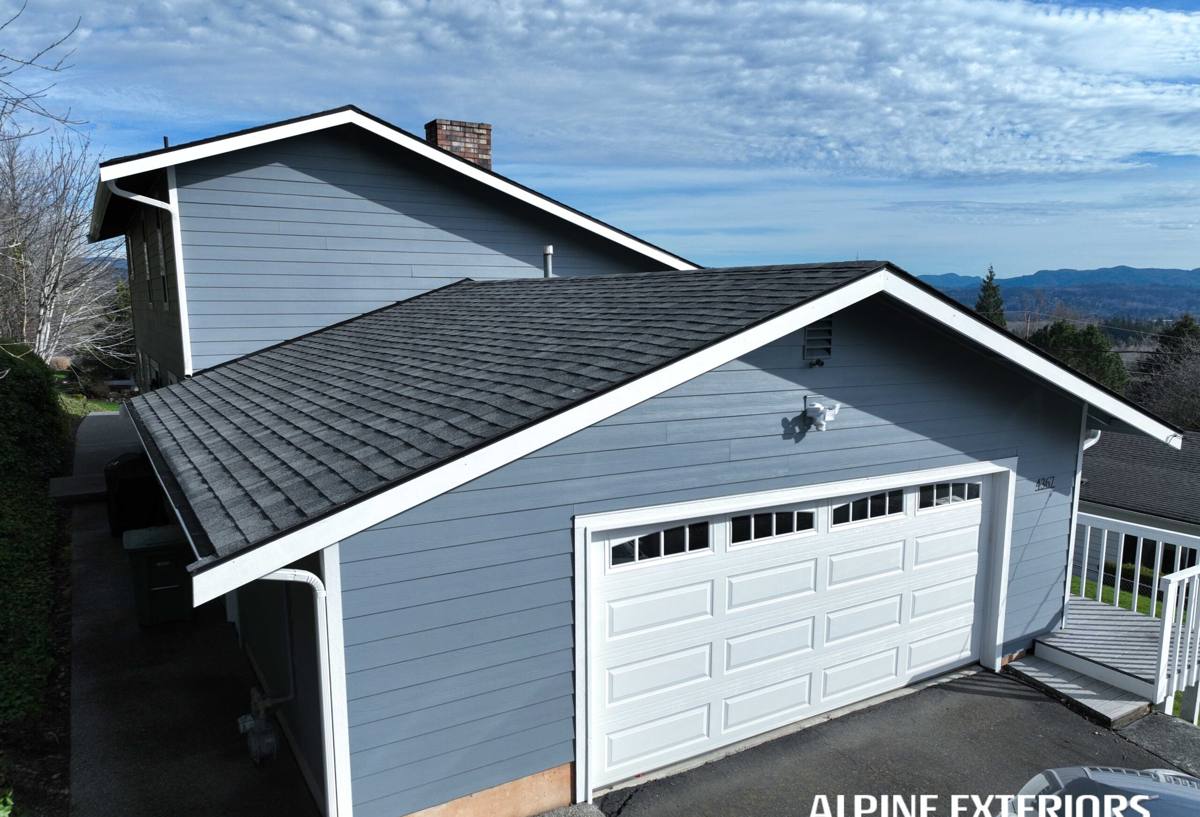
Signs a Nokomis Home Needs a New Roof, Not Another Repair
Homeowners often ask us to patch a leak, only to find the roof is past the point where patching makes financial sense. Some signs point clearly toward full replacement rather than another round of repairs:
- Granule loss heavy enough that shingles look patchy or bald, especially on south- and west-facing slopes that take the most UV
- Multiple past repairs in different areas of the roof, suggesting the underlayment and decking are failing broadly, not in one spot
- Soft or spongy decking felt underfoot during inspection, a sign moisture has been getting past the roofing layer for some time
- Shingles curling, cracking, or lifting at the edges, which reduces wind resistance right when a storm needs the roof to hold
- Visible rust streaking or corrosion on metal flashing and fasteners from prolonged salt air exposure
- A roof approaching or past the manufacturer's expected service life for this climate, which is typically shorter here than in inland, drier states
Choosing a Roofing System That Fits Nokomis's Climate
There's no single "best" roofing material for every home. The right choice depends on your home's structure, your budget, your neighborhood's aesthetic, and how much long-term maintenance you're willing to take on. We walk every Nokomis homeowner through the honest trade-offs rather than pushing one product.
| Roofing Material | Wind & Storm Performance | Maintenance Considerations |
|---|---|---|
| Architectural (laminate) asphalt shingles | Strong wind ratings when properly fastened; good balance of cost and durability | Moderate; periodic inspection for granule loss and sealant strip integrity |
| Standing seam metal | Excellent wind uplift resistance and long service life in coastal conditions | Low; occasional fastener and sealant checks, higher upfront cost |
| Concrete or clay tile | Very good when installed with correct fastening and underlayment system | Requires attention to underlayment life span, which wears before the tile itself |
| 3-tab asphalt shingles | Lower wind resistance than architectural shingles | Shorter service life in this climate; we generally don't recommend it for Nokomis roofs |
We don't install every product on that list on every home. Our standard is to recommend systems that hold up to Sarasota County's wind design requirements and salt exposure without creating an outsized maintenance burden for the homeowner down the road. When a product looks good on paper but has known moisture-management or installation-sensitivity issues in coastal climates, we'll tell you why we steer away from it rather than let you find out after the fact.
Underlayment Matters as Much as the Surface Material
A significant share of roof failures we see in this area trace back to the underlayment, not the visible shingle or tile. In wind-driven rain, water can be forced sideways and even slightly uphill under the roof surface. A high-quality synthetic or self-adhering underlayment, installed with correctly lapped seams and sealed penetrations, is what actually keeps that water out. We treat underlayment selection and installation as a first-class part of the job, not an afterthought under the "real" roofing material.
What a Correct New Roof Installation Actually Involves
Tear-Off and Deck Inspection
We remove the existing roofing down to the deck rather than layering over old material. That lets us inspect the plywood or OSB decking for rot, delamination, or fastener pull-through, which is common on older Nokomis homes that have absorbed years of humidity and storm cycles. Any damaged decking gets replaced before a single new layer goes down, because no roofing system performs correctly over a compromised deck.
Water-Resistant Underlayment and Sealed Penetrations
Every seam, vent pipe, and penetration gets properly lapped and sealed. In a wind-driven rain event, this layer is often the difference between a dry attic and a hidden leak that shows up as a stain on your ceiling weeks later.
Flashing at Every Transition
Valleys, chimneys, skylights, and roof-to-wall transitions are where most leaks start on any roof, in any climate. We fabricate and install flashing to fit those transitions correctly rather than relying on caulk or sealant to do a metal detail's job.
Fastening Specified for Local Wind Requirements
Nail pattern, fastener type, and fastener count are not one-size-fits-all. They're specified based on the roofing product, the deck substrate, and the wind design pressures that apply in Sarasota County. Under-fastening is one of the most common causes of shingles lifting or blowing off in a storm, and it's not something you can see just by looking at a finished roof.
Ventilation That Matches the New System
A roof that can't breathe traps heat and moisture in the attic, which shortens the life of the roofing material from underneath and can drive up cooling costs in Florida's long, hot season. We evaluate intake and exhaust ventilation as part of every installation, not just the parts of the roof you can see from the street.
Florida Building Code and Wind Considerations for Sarasota County
Sarasota County sits outside the state's High-Velocity Hurricane Zone (that designation applies to Miami-Dade and Broward counties), but it is still subject to Florida Building Code wind design requirements that call for roofing systems rated for high design wind speeds common along this stretch of the Gulf Coast. In practical terms, that means product selection, fastening schedules, and permitting all have to reflect wind pressures well above what's typical in most of the country.
A permitted, code-compliant new roof installation also matters for reasons beyond the storm itself:
- It supports wind mitigation credits that can lower your homeowners insurance premium
- It creates a documented permit and inspection record tied to your property
- It protects you if a claim is ever disputed after a storm, since the work is verifiable rather than word-of-mouth
- It ensures the finished roof actually meets the wind uplift performance it's rated for, not just how it looks
Our Installation Process, Start to Finish
- On-site inspection and honest assessment — we look at the current roof, decking condition, and any contributing issues like ventilation or flashing problems, and tell you plainly whether repair or replacement makes more sense.
- Material selection and proposal — we walk through system options suited to your home and budget, with clear reasoning for what we recommend and what we don't.
- Permitting — we handle the Sarasota County permit application and required inspections so the job is documented and compliant.
- Tear-off and deck repair — old roofing comes off, decking is inspected, and any damaged sections are replaced before moving forward.
- Underlayment, flashing, and ventilation installation — the layers that do the real waterproofing and airflow work are installed and inspected before the finish material goes down.
- Installation of the new roofing system — shingles, tile, or metal panels are installed to manufacturer and code-required fastening specifications.
- Final walkthrough and cleanup — we inspect the finished roof with you, address any questions, and make sure your property is cleared of debris and nails.
What Drives the Cost of a New Roof Installation
| Factor | Why It Affects Cost |
|---|---|
| Roof size and complexity (valleys, dormers, slopes) | More cuts, flashing, and labor time |
| Material choice | Metal and tile cost more upfront than architectural shingles but differ in longevity |
| Decking condition | Rotted or delaminated decking requires replacement before installation |
| Number of existing layers | Extra tear-off labor if the roof has been layered before |
| Ventilation and flashing upgrades | Bringing older systems up to current performance standards |
Most full roof replacements in this region run from the low five figures for a straightforward architectural shingle roof on a modest home, up to significantly more for larger homes, metal, or tile systems. We won't give you an accurate number without seeing the roof, but we will give you a written, itemized proposal before any work starts.
Why Hiring a Crew That Already Works in Nokomis Matters
A roofing crew that regularly works in this part of Sarasota County already understands the local permitting process, the wind design requirements that apply here, and the way salt air and coastal humidity behave differently than they do even twenty miles inland. That familiarity shows up in small but important decisions: which fastener and flashing materials resist corrosion longest near the water, how ventilation should be balanced against Florida's humidity, and what inspection issues local building officials tend to flag.
It also means faster response and follow-up. If a question comes up after installation, or a named storm is approaching and you want your roof checked, you're working with a crew that's already familiar with your home and neighborhood rather than starting from scratch.
Questions Worth Asking Any Contractor Before You Hire
- Are you licensed to perform roofing work in Florida, and can you provide proof of insurance?
- Will you pull the required Sarasota County permit, or is that left to the homeowner?
- What underlayment and fastening specification will you use, and why?
- How do you handle decking repair if it's found during tear-off, and how is that priced?
- What does your workmanship warranty cover, separate from the manufacturer's material warranty?
Caring for a New Roof in a Coastal Climate
A correctly installed roof still benefits from basic upkeep in this environment. We recommend a visual inspection after major storms, periodic clearing of debris from valleys and gutters, and a professional check every couple of years to catch small issues, like a lifted shingle tab or a cracked pipe boot, before they become leaks. Salt air in particular accelerates corrosion on exposed metal components, so those are worth a closer look during routine maintenance than they would be further inland.
If you're weighing a repair against a full replacement, or you just want a straight answer about what your roof needs, we're happy to take a look. Reach out for a free, no-pressure estimate using the form below, and we'll give you an honest assessment of your Nokomis home's roof.