 Sarasota Siding
 New Roof Installation Built for Palmer Ranch
Palmer Ranch is one of the larger planned communities in Sarasota County, and it covers a wide mix of roof types — tile, architectural shingle, and metal, on everything from single-story villas to larger two-story homes behind deed-restricted HOAs. What all of those roofs have in common is the environment they sit in. Sarasota's combination of hurricane-force wind events, near-constant UV exposure, wind-driven rain, and salt-laden air off the Gulf doesn't treat every roofing system the same way, and a new roof installed without accounting for that reality will underperform no matter how good the shingles look on day one.
This page covers what a correct new roof installation looks like for a Palmer Ranch home specifically — not a generic "how roofing works" overview, but the decisions, code requirements, and installation details that actually matter in this part of Sarasota County.
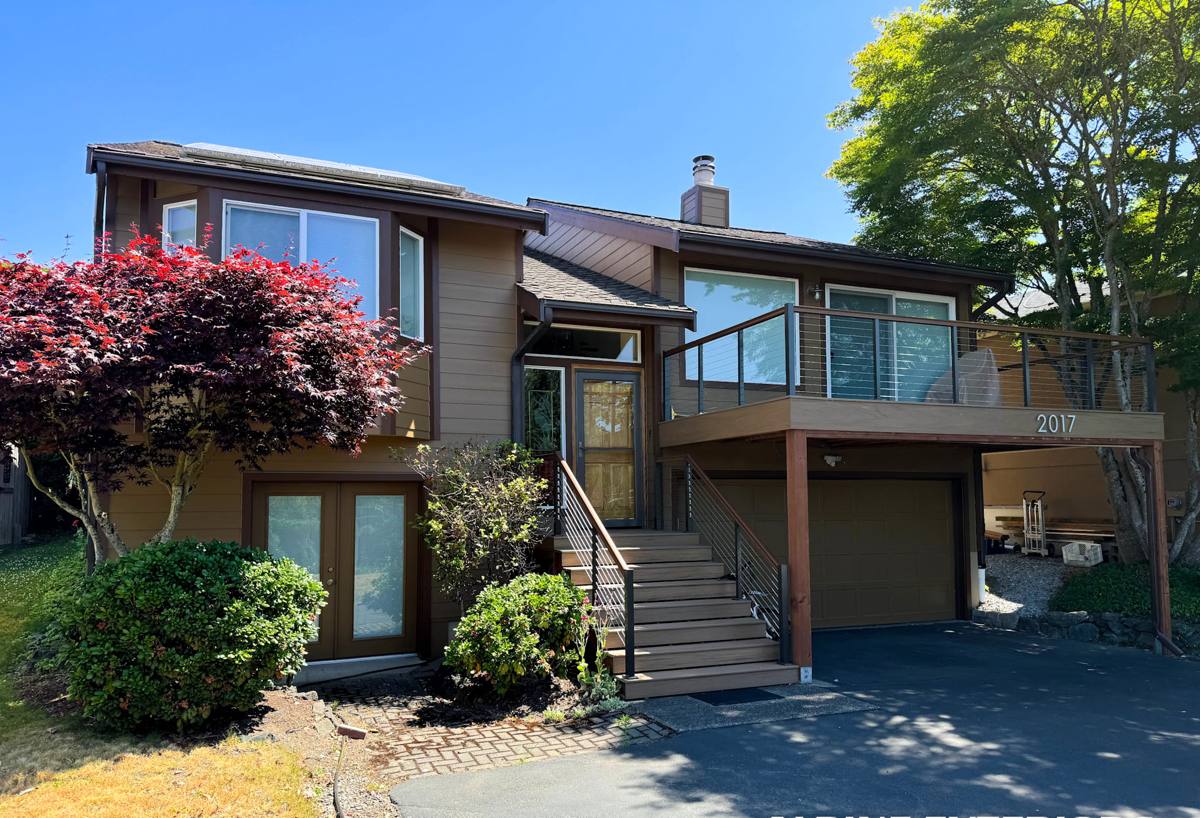
What Palmer Ranch's Climate Actually Does to a Roof
Before talking about materials or process, it helps to understand the forces a Palmer Ranch roof is built to resist:
- Hurricane-force wind: Sarasota County sits in a high-wind coastal zone, and Florida Building Code wind-load requirements here are not a formality — uplift at eaves, rakes, and ridge lines is where roofs fail first, not in the field of the roof.
- Year-round UV intensity: Florida sun breaks down asphalt shingle granules and dries out sealants faster than in most of the country, which shortens the effective life of a roof if lower-tier materials or thin underlayment are used.
- Wind-driven rain: Tropical systems don't just drop rain, they push it sideways and upward under shingle tabs and flashing laps. A roof that only sheds water straight down will eventually leak in these conditions.
- Salt air: Palmer Ranch isn't beachfront, but Sarasota's proximity to the Gulf still puts airborne salt into the mix, which accelerates corrosion on exposed fasteners, vents, and metal flashing over time.
A new roof installation that respects all four of these factors looks different — in materials, fastening, and flashing detail — than a roof installed the same way it might be up north.
Roofing Materials That Make Sense for Palmer Ranch Homes
Architectural (Dimensional) Asphalt Shingles
The most common re-roof choice in Palmer Ranch, largely because it balances cost, appearance, and wind performance well when installed correctly. High-wind-rated architectural shingles, properly nailed (not stapled) and paired with the right underlayment, hold up well against Sarasota's storm season. The key is that the wind rating printed on the shingle wrapper only means something if the installation matches the manufacturer's high-wind nailing pattern — six nails per shingle in the right zones, not four.
Concrete and Clay Tile
Common on many Palmer Ranch homes, particularly in communities that require tile for HOA architectural consistency. Tile performs well against UV and wind when the underlayment beneath it is sound, but tile roofs age from the underlayment out — the tile itself can look fine for decades while the underlayment underneath has already failed. A tile re-roof is really an underlayment replacement with the existing (or matching) tile reset on top, and that distinction matters when you're comparing quotes.
Metal Roofing
A smaller share of the market here but a strong option where UV longevity and wind uplift resistance are the top priorities. Standing seam metal handles wind-driven rain well because there are no exposed fastener laps for water to work into, and it holds up to salt air better than exposed-fastener panel systems, provided the fasteners and flashing are corrosion-resistant grade.
Material Comparison for Palmer Ranch Conditions
| Material | Typical Lifespan (FL) | Wind Performance | Maintenance Notes |
|---|---|---|---|
| Architectural Shingle | 20–30 years | Very good when high-wind nailed | Periodic inspection of sealant and flashing |
| Concrete/Clay Tile | 30–50 years (tile) / underlayment 15–20 years | Excellent when properly fastened | Underlayment is the real wear item, not the tile |
| Standing Seam Metal | 40–60 years | Excellent, no exposed fastener laps | Watch for dissimilar-metal corrosion at penetrations |
What a Correct New Roof Installation Involves
A new roof is more than shingles or tile on plywood. The parts that determine whether the roof survives its first serious storm are mostly things you can't see once the job is finished:
Deck Inspection and Repair
Every board of the existing roof deck should be inspected once the old roofing is stripped off. Soft, delaminated, or water-stained decking gets replaced — not skimmed over — because fasteners driven into compromised plywood won't hold under wind uplift no matter how good the shingles above them are.
Underlayment
In this climate, a self-adhering, high-temperature underlayment at eaves, valleys, and penetrations is worth the upgrade over old-style felt. It's what keeps a roof watertight if wind-driven rain gets past the outer roofing layer, and it's a required secondary water barrier under current Florida Building Code in many applications.
Flashing Details
Step flashing at walls, counter-flashing at chimneys, and properly lapped flashing at valleys are where most roof leaks actually start — not in the open field of the roof. This is also where corrosion-resistant metal matters most, given the salt content in the air here.
Fastening to Code
Sarasota County enforces Florida Building Code wind-load requirements based on the home's location and exposure category. That dictates nailing patterns, fastener spacing, and in many cases requires permitted inspections at specific stages of the job — not just a final sign-off.
Ventilation
Proper attic ventilation keeps roof deck temperatures down and moisture from building up underneath the new roofing, both of which extend the life of the materials above it.
Our Process for Palmer Ranch Roof Installations
- On-site inspection and estimate: We look at the existing roof, deck condition where visible, attic ventilation, and any HOA material restrictions specific to the community before quoting anything.
- Material selection: We walk through the honest trade-offs between shingle, tile, and metal for your home and budget — no upselling toward whatever has the best margin.
- Permitting: We pull the required Sarasota County permit and schedule inspections at the stages the code requires — this isn't optional and it protects you if there's ever an insurance claim down the road.
- Tear-off and deck inspection: Full removal of old roofing, deck inspected board by board, damaged sections replaced.
- Underlayment and flashing installation: Installed to current code, not the minimum that was standard when the last roof went on.
- Roofing installation: Shingle, tile, or metal installed to manufacturer high-wind specifications.
- Final inspection and cleanup: County inspection sign-off, full site cleanup including magnetic nail sweep.
Why Hiring a Crew That Works Palmer Ranch Regularly Matters
Palmer Ranch has several HOA communities with their own architectural review requirements — roof color, material type, and sometimes tile profile can be restricted by the community's governing documents. A crew that already works in the neighborhood knows to check for that before ordering material, not after. Local experience also means familiarity with Sarasota County's permitting and inspection process specifically, rather than learning it on your job. And because we're not driving in from another county, warranty callbacks and post-storm inspections aren't a scheduling burden — we're already working in the area.
Cost Factors for a Palmer Ranch New Roof
Every roof is priced on its own specifics, but the variables that move the number most are consistent:
| Factor | Why It Matters |
|---|---|
| Roof size and pitch | Steeper, more complex roofs take longer and require more safety equipment and material |
| Material choice | Shingle, tile, and metal have significantly different material and labor costs |
| Deck condition | Rotted or delaminated decking found during tear-off adds material and labor |
| Number of penetrations | Chimneys, skylights, and vent stacks each need individual flashing work |
| Layers to remove | Multiple existing layers add tear-off time and disposal cost |
| HOA material requirements | Some Palmer Ranch communities restrict material or color options, narrowing choices |
We give a written, itemized estimate before any work starts, so you know exactly what's driving the price.
Signs Your Palmer Ranch Roof May Need Replacement, Not Repair
- Shingles that are cracked, curling, or missing granules across large areas rather than one isolated spot
- Soft spots or visible sagging anywhere in the roof deck
- Daylight visible through the roof boards from inside the attic
- Repeated leaks in different locations after previous repairs
- Roof age approaching or past the material's expected service life, especially heading into hurricane season
- Visible tile underlayment failure — cracked or brittle felt showing at tile edges
If your roof is showing one or two of these signs in isolation, a repair may still make sense. If several are present at once, a full replacement is usually the more cost-effective path over the long run.
If you're weighing a new roof for your Palmer Ranch home, we're happy to take a look and give you a straight answer — no pressure, no inflated urgency. Use the form below to request a free estimate.