 Sarasota Siding
 Roof Repair in University Park: Built for Sarasota's Climate
Homes in University Park deal with a specific combination of stress that most of the country never sees: months of intense, direct UV exposure, sudden hurricane-force wind events, wind-driven rain that gets pushed sideways under normal flashing details, and a steady dose of salt air drifting in off the Gulf. None of these alone would be a big deal. Together, year after year, they're what turns a small roofing issue into a ceiling stain, a soffit rot problem, or a full deck replacement if it's ignored long enough.
We repair roofs in this part of Sarasota regularly enough to know the difference between a roof that just needs a targeted fix and one where a repair would be throwing money at a problem that's already past that point. This page is about doing that first job right — the honest repair, done correctly, that actually holds up through the next storm season.
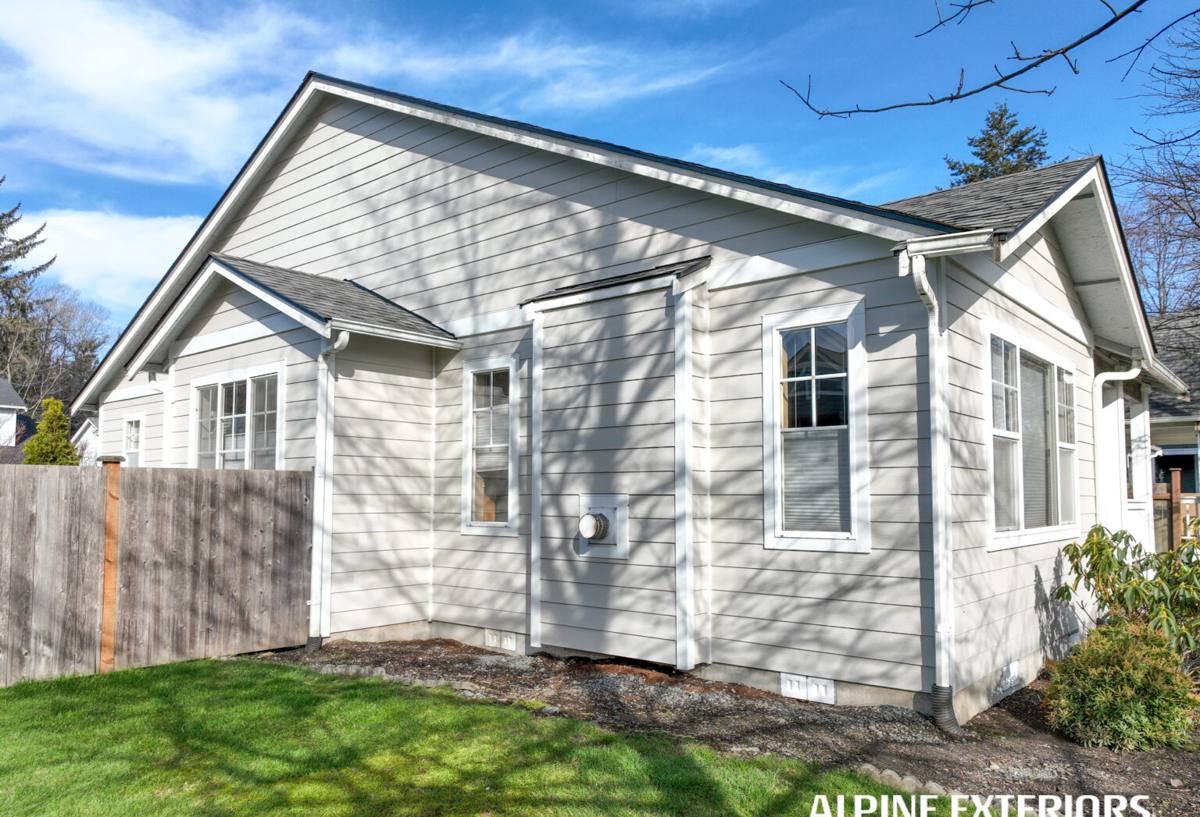
What Local Homes Are Actually Up Against
UV and Heat
Sarasota gets sun exposure that ages roofing materials faster than cooler, cloudier climates. Asphalt shingles lose their granules and become brittle. Tile underlayment breaks down from the inside even when the tiles themselves look perfectly fine on the surface. Sealants and pipe boots dry out and crack years before a manufacturer's stated lifespan would suggest.
Wind and Wind-Driven Rain
University Park sits in a region that takes direct and indirect hits from tropical systems most years. Straight-line wind and hurricane gusts don't just tear off loose material — they get up under the edges of shingles and tiles that are only slightly compromised, working the fasteners loose over multiple storms before anything visibly fails. Wind-driven rain is a separate problem: it can be forced sideways and even upward under standard flashing, which is why leaks often show up nowhere near where the actual damage occurred on the roof.
Salt Air
Even well inland from the coast, Sarasota's salt-laden air accelerates corrosion on any exposed metal — nail heads, flashing, valley metal, drip edge, and vent stacks. Corroded fasteners and flashing are one of the most common root causes we find behind repeat leaks that a previous, quicker patch job never actually addressed.
Common Roof Repair Issues We See in University Park
Wind-Lifted or Missing Shingles and Tiles
After any significant wind event, we look for lifted tabs, cracked tiles, and fasteners that have backed out even where nothing is visibly missing. A shingle or tile that's been lifted and re-seated by wind, rather than torn away, is often more of a long-term risk than one that's obviously gone, because it looks fine from the ground.
Flashing Failures
Flashing around chimneys, skylights, walls, and roof-to-wall transitions is one of the most common leak sources on Sarasota-area homes. Once sealant dries out or metal starts to corrode, water finds its way in during wind-driven rain even though the field of the roof is intact.
Valley and Penetration Leaks
Roof valleys concentrate a huge volume of water during Florida downpours. Pipe boots, vent stacks, and other penetrations are small, but they're also where a huge share of real-world leaks originate, especially once rubber boots start to crack under UV exposure.
Soffit and Fascia Damage
Water that's been getting past a compromised roof edge for a while often shows up first as soft or discolored soffit and fascia board, sometimes well before there's a visible interior stain. This is frequently the first sign a homeowner notices, even though the actual cause is up on the roof.
Signs Your University Park Home Needs Roof Repair
Not every roof problem announces itself as a dripping ceiling. Here's what we tell homeowners to watch for between inspections:
- Water stains on interior ceilings or walls, even faint ones that come and go with rain
- Granules collecting in gutters or at downspout discharge points
- Visibly lifted, cracked, curling, or missing shingles or tiles
- Soft spots, discoloration, or sagging in soffit and fascia boards
- Daylight visible through the attic decking, or a musty smell in the attic
- Rust streaks below metal flashing, valleys, or vent stacks
- Higher-than-usual attic temperatures or a spike in cooling costs
- Visible sagging in any part of the roofline, which can indicate deck damage beneath the surface
If you're seeing more than one of these at once, it's worth having someone look at the roof as a whole rather than patching the one symptom you can see.
What a Correct Roof Repair Actually Involves
A repair that's done right isn't just sealing the spot where water is currently getting in. It involves a few steps that a rushed job tends to skip.
Finding the Real Source
Water travels along the underside of decking and roofing material before it drips through the ceiling, so the wet spot inside is rarely directly below the actual failure point. A proper repair traces the leak back to its actual origin, not just the visible symptom.
Matching Materials Correctly
Repairs on tile roofs need tiles that match the existing profile and won't crack under foot traffic during the work. Shingle repairs need a color and style match close enough that the patch doesn't stand out, and enough surrounding material replaced that the repair blends into the existing wind-resistance pattern rather than creating a new weak edge.
Rebuilding the Water Path, Not Just the Surface
Underlayment, flashing, and drip edge all have to work together to move water off the roof. A repair that replaces the visible tile or shingle but leaves compromised underlayment or corroded flashing underneath will often leak again within a season or two, just from a slightly different entry point.
Code and Wind Compliance
Florida's building code has specific requirements for wind uplift resistance, fastening patterns, and underlayment in high-wind zones. Repairs should meet the same standard as new work, not just be "close enough" to what was there before.
Repair or Replace? How We Help You Decide
Not every roof issue needs a full replacement, but not every leak should be patched either. We look at age, extent of damage, and how the rest of the roof is holding up before recommending either path.
| Factor | Leans Toward Repair | Leans Toward Replacement |
|---|---|---|
| Roof age | Under 10-15 years, or well within material lifespan | Near or past expected service life for the material |
| Extent of damage | Isolated to one section, flashing, or a handful of shingles/tiles | Multiple areas failing, or damage spread across the roof |
| Underlayment condition | Intact where accessible and checked | Deteriorated, brittle, or already failing in multiple spots |
| Decking condition | Solid, no soft spots found | Soft, delaminated, or water-damaged decking |
| Storm history | First real damage after a specific event | Pattern of repeat repairs after every storm season |
We'll walk you through where your roof actually falls on this before recommending anything, and we're not going to push a replacement on a roof that a proper repair can genuinely fix.
Our Roof Repair Process
1. Inspection and Diagnosis
We get on the roof and in the attic where accessible, not just look from the ground. That's the only way to catch flashing and underlayment issues that don't show up as an obvious missing shingle or tile.
2. Written Estimate
You get a clear scope of what's being repaired, what materials will be used, and why — not a vague line item. If we think replacement makes more sense than repair, we'll say so and explain the reasoning.
3. The Repair
We match materials, rebuild the affected area properly including underlayment and flashing where needed, and fasten to current wind-resistance standards, not just however the original installer happened to do it.
4. Cleanup and Walkthrough
Job site cleared of debris and old material, and we walk the work with you before calling it done.
Materials and Roof Types We Work With
University Park has a mix of roofing types, and repair approach differs meaningfully by material.
| Roof Type | Common Repair Needs | Key Consideration |
|---|---|---|
| Asphalt shingle | Wind-lifted or missing shingles, flashing, valley leaks | Granule loss from UV exposure signals the whole field is aging, not just the damaged spot |
| Concrete or clay tile | Cracked/slipped tile, underlayment failure beneath intact tile | Tiles themselves often outlast the underlayment beneath them by years |
| Metal | Fastener backout, sealant failure at seams and penetrations, corrosion | Salt air accelerates fastener and flashing corrosion faster than the panels themselves |
| Flat or low-slope sections | Membrane seam failures, ponding-related wear | Common on lanai and porch extensions attached to a primary sloped roof |
HOA and Community Considerations
Many planned communities in the Sarasota area, including sections of University Park, have architectural guidelines covering roof color, tile profile, or material that need to be respected even on a repair. If your section has an HOA or architectural review process, we can work within those requirements so the repaired area matches both the existing roof and whatever standards your community has on file.
Why a Crew That Already Works in University Park Matters
Repair work benefits from familiarity with what's actually common in a given area — the typical roof ages, the tile profiles and shingle styles that show up most often, and the specific ways Sarasota's storm patterns tend to find weak points. A crew that's done this work around University Park and the surrounding Sarasota area isn't guessing at what a repair here needs to hold up; they've seen the same underlayment failures, the same flashing corrosion, and the same wind-lift patterns enough times to know what to check first.
Local availability also matters after a storm. When wind-driven rain has gotten into a roof, a fast, correct temporary or permanent repair limits how much interior damage spreads while you're waiting.
Maintenance Between Repairs
A repair lasts longer when the rest of the roof isn't fighting against it. A few habits help:
- Have the roof visually checked after any significant wind event, even if nothing seems wrong from the ground
- Keep gutters and valleys clear so water isn't sitting against roofing material longer than it should
- Trim back overhanging branches that abrade shingles or tiles and deposit debris in valleys
- Address small issues — a lifted shingle, a cracked tile, a gap in sealant — before the next storm season rather than after
- Keep an eye on attic ventilation, since trapped heat and moisture accelerate underlayment breakdown from below
If you're seeing signs of a problem, or just want an honest opinion on whether a repair or something more is the right call, we're happy to take a look. Estimates are free, and there's no pressure to move forward with anything until you're ready — just a straight answer about what your roof actually needs.