 Sarasota Siding
 Palmer Ranch Homes Face a Tough Climate Test
Palmer Ranch is one of Sarasota's larger planned communities, and like the rest of Sarasota County, it sits squarely in a climate that is hard on roofs. Homes here deal with hurricane-force wind events, some of the most intense year-round UV exposure in the continental United States, wind-driven rain that finds every weak seam, and salt-laden air drifting in off the Gulf that accelerates corrosion on fasteners, flashing, and vents. None of that is unique to any one street or subdivision in Palmer Ranch, but it is the baseline every roof in this community is working against, year after year.
A roof that was installed correctly and with the right materials will handle that punishment for decades. A roof that was installed to minimum code, with cut corners on flashing or underlayment, tends to show its age early — soft spots, granule loss, lifted shingle tabs, or tile that shifts in a stiff gust. Roof replacement isn't just about swapping old material for new; done right, it's an opportunity to correct the details that Sarasota's climate will eventually expose anyway.
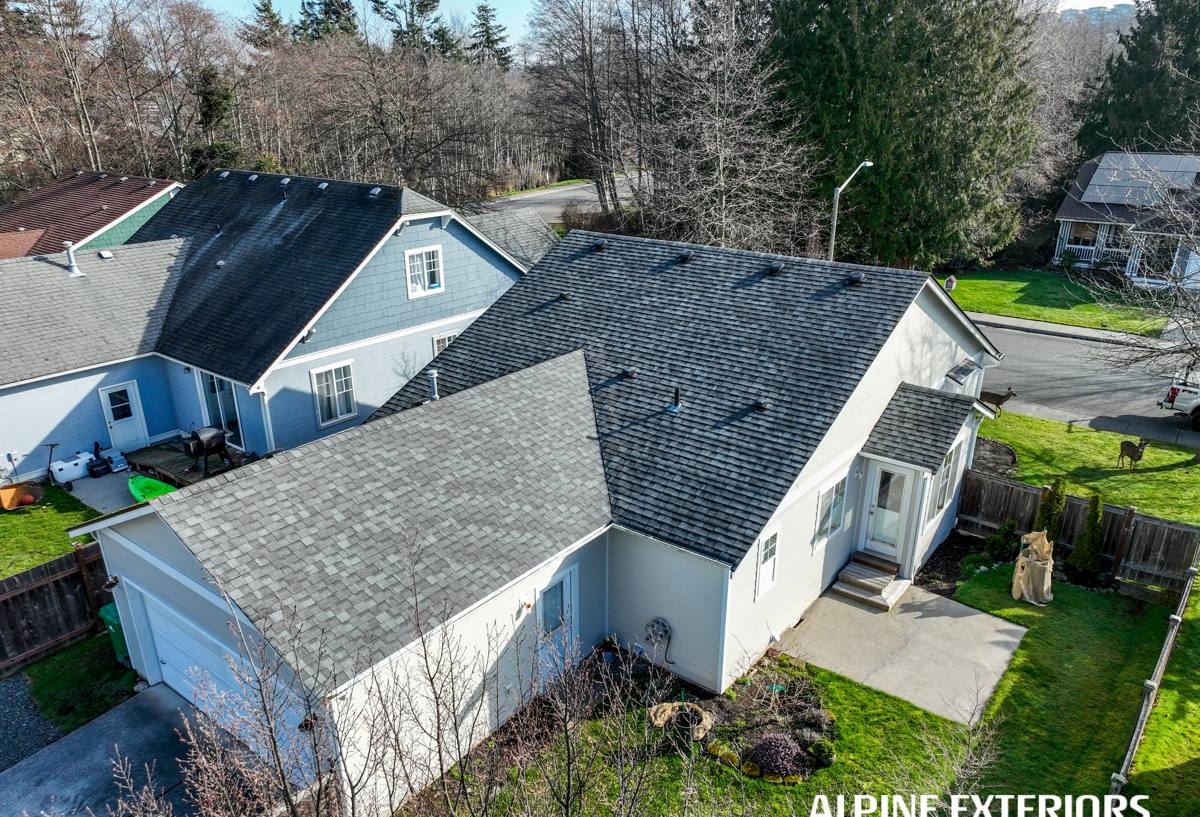
Signs Your Palmer Ranch Roof Needs Replacing, Not Just Repair
Not every roofing problem calls for full replacement. But there's a point where patching becomes a losing game — you're spending money to delay a job you'll still have to do, while risking interior damage in the meantime. Here's what tends to tip a roof from "repair" into "replace" territory in this climate:
- Roof is 18-20+ years old (asphalt shingle) or showing widespread wear regardless of age
- Multiple past repairs in different areas rather than one isolated issue
- Granule loss heavy enough that you can see bare fiberglass mat on shingles
- Cracked, slipped, or missing tiles across more than a small section
- Soft or spongy decking felt when walked on, or visible sagging
- Recurring leaks after wind-driven rain, especially around valleys, skylights, or chimneys
- Rusted, lifted, or missing flashing at walls, roof-to-wall transitions, or penetrations
- A recent wind mitigation inspection or insurance renewal flagged roof condition or age
If you're only seeing one or two of these, a repair may genuinely be the right call — an honest contractor should tell you that. If you're seeing several at once, replacement is usually the more cost-effective path over the next decade.
Choosing the Right Roofing System for This Neighborhood
Palmer Ranch includes a mix of home styles and HOA communities, and the "right" roofing material depends on your home's structure, your community's aesthetic standards, and how much long-term maintenance you're willing to take on. We install and stand behind a few core systems for this area:
Concrete or Clay Tile
Tile is common on Florida Gulf Coast homes and holds up well to UV and salt air since the surface material itself doesn't degrade like asphalt granules do. The tradeoffs are weight (the structure has to be rated for it), higher installation cost, and the fact that tile is only as wind-resistant as the fastening system and underlayment beneath it — a beautiful tile roof with weak attachment is still a liability in a named storm.
Architectural (Dimensional) Asphalt Shingle
A well-rated architectural shingle, installed with proper nailing patterns and a quality underlayment, is a solid, more budget-friendly option that many Palmer Ranch HOAs already permit. The key in this climate is choosing a shingle with a strong wind rating and not skimping on the underlayment or edge metal — that's where most shingle failures in coastal Florida actually start.
Standing Seam Metal
Metal roofing handles wind uplift and UV exposure very well and typically outlasts asphalt by a wide margin. It costs more upfront, and some HOA design guidelines are particular about metal roofing's appearance, so it's worth checking your community's architectural guidelines before falling in love with it.
| Material | Typical Lifespan (Sarasota climate) | Wind Performance | Relative Cost |
|---|---|---|---|
| Architectural Shingle | 15-25 years | Good, if properly nailed and rated | $ |
| Concrete/Clay Tile | 30-50 years (tile itself) | Excellent when correctly fastened | $$$ |
| Standing Seam Metal | 30-50 years | Very good to excellent | $$-$$$ |
None of these is a universal "best" choice — the right one depends on your roof deck, your HOA's rules, and your budget. We'll walk you through the real tradeoffs for your specific home rather than pushing whatever is easiest for us to install.
What a Correct Roof Replacement Actually Involves
Full Tear-Off and Deck Inspection
We remove the existing roofing down to the deck rather than layering over it. That's the only way to actually see the plywood or OSB underneath, check for rot or delamination from years of humidity and past leaks, and replace any damaged sections before new material goes down. Skipping this step is one of the most common shortcuts in the industry, and it's how new roofs end up failing early from problems hidden underneath.
Underlayment and Flashing
In a market that sees wind-driven rain, the underlayment and flashing details matter as much as the surface material. That means self-adhering underlayment at eaves, valleys, and penetrations where wind-driven water is most likely to intrude, correctly lapped synthetic underlayment across open field areas, and new flashing at every wall transition, chimney, and vent rather than reusing corroded old metal.
Wind-Rated, Code-Compliant Installation
Florida Building Code sets specific nailing patterns, fastener counts, and attachment methods based on your wind zone, and Sarasota County enforces those requirements through permitting and inspection. We install to those specifications as the floor, not the ceiling — the goal is a roof that performs when it's tested by an actual storm, not just one that passes a quick visual inspection.
Permits, Codes, and HOA Approval
Every roof replacement in Sarasota County requires a building permit and inspections — this isn't optional paperwork, it's what confirms the work meets current wind and structural code, and it's often required by your insurer to maintain full coverage. Beyond the county, many Palmer Ranch communities are governed by an HOA or architectural review board with its own rules on material type, color, and profile. We handle the permitting process and can work with your HOA's approval requirements so you're not stuck navigating either one alone.
Our Process, Start to Finish
- On-site inspection — we assess the current roof, deck condition, and any HOA or code considerations specific to your property.
- Honest recommendation — repair vs. replace, and which materials genuinely fit your home and budget.
- Written estimate — clear scope, materials, and pricing before any work begins.
- Permitting — we pull the required Sarasota County permit and, where applicable, coordinate HOA sign-off.
- Tear-off and deck repair — full removal of old roofing, replacement of any compromised decking.
- Underlayment, flashing, and material installation — installed to code minimums or better, matched to your wind zone.
- Final inspection and cleanup — county inspection sign-off, magnetic sweep for debris, and a walkthrough with you.
Timeline and What to Expect During the Job
Most single-family roof replacements in this area take one to a few days of active work once material is on-site, though scheduling around permitting and material delivery can add time before the crew arrives. Weather is the biggest variable — Florida's rain patterns can push a start date, and we'd rather delay than rush a tear-off into an afternoon storm. Expect noise, some debris staging in the driveway, and a job-site cleanup pass at the end, including a check for stray nails around the property.
Why a Crew That Already Works Palmer Ranch Matters
Roofing work in a large, HOA-governed community like Palmer Ranch has a few extra layers that a contractor unfamiliar with the area can get wrong: knowing which architectural guidelines apply to which section of the community, understanding how Sarasota County's permitting office typically handles these projects, and being realistic about how local weather patterns affect scheduling. A crew that already works in this neighborhood has been through that process repeatedly and knows what to check before it becomes a delay or a compliance headache for you.
It also matters after the sale. A local crew is easier to reach for a warranty question or a post-storm check, rather than a company that did one job in the area and moved on.
If your roof is showing its age or you just want an honest read on whether repair or replacement makes more sense, we're happy to take a look. Fill out the form below for a free, no-pressure estimate on your Palmer Ranch home.