 Sarasota Siding
 Siding Replacement Built for Laurel Park's Older Neighborhood Character
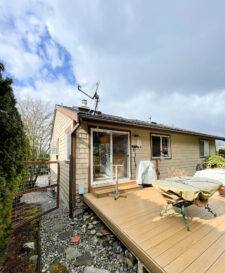
Laurel Park is one of Sarasota's established in-town neighborhoods, known for its mix of older bungalow-style homes, mature tree canopy, and proximity to downtown and the bayfront. That combination is a mixed blessing for exterior siding. The shade and charm that make the neighborhood desirable also mean homes here deal with constant leaf litter, humidity trapped under a heavy canopy, and, in many cases, original siding materials that were never designed for the wind and moisture loads Sarasota County sees today. When it's time to replace siding on a Laurel Park home, the job needs to account for both the age of the house and the realities of coastal Southwest Florida weather.
This page focuses specifically on siding replacement for homes in and around Laurel Park — what the climate does to siding here, what a correct replacement actually involves, and why choosing a crew that already understands this part of Sarasota matters more than most homeowners expect.
What Sarasota's Climate Does to Siding Over Time
Hurricane-Force Wind and Wind-Driven Rain
Sarasota County sits squarely in Florida's hurricane corridor. Even in years without a direct hit, homes take on repeated stress from tropical-storm-force wind, gusts, and wind-driven rain that gets pushed sideways into wall assemblies rather than falling straight down. Siding that isn't fastened correctly, or that relies on weak seams and butt joints, is the first thing to fail — panels lift, seams open, and water finds its way behind the cladding long before anyone notices a problem from the ground.
Intense, Year-Round UV
Florida sun is relentless on painted and coated surfaces. Factory finishes that aren't engineered for this level of UV exposure fade unevenly, chalk, and need repainting far sooner than a homeowner expects. Under Laurel Park's tree canopy, the effect is often patchy — one side of the house baking in full sun, the other shaded and holding moisture — which accelerates uneven wear.
Salt Air, Even Away From the Water
Laurel Park isn't beachfront, but Sarasota's proximity to the Gulf and the bay means salt-laden air travels inland on prevailing winds. Salt accelerates corrosion of fasteners and trim metal and works its way into porous or poorly sealed siding materials over time. It's a slower, quieter form of damage than wind or rain, but it adds up over the life of a siding system.
Common Siding Problems We See in Homes Like These
Older, established neighborhoods near downtown Sarasota tend to show a specific pattern of siding wear:
- Original wood or older cement-based siding that has been repainted repeatedly and is now soft, delaminating, or holding moisture at the butt joints
- Soffit and trim damage from tree debris and prolonged shade, which keeps surfaces damp longer after rain
- Hidden rot or sheathing damage behind siding that looks fine from the street but has been absorbing wind-driven rain for years
- Caulk and paint that has been used to mask problems instead of fixing the underlying moisture path
- Trim and fascia that no longer match current wind-rated fastening standards
None of these are unique to Laurel Park, but the combination of home age, tree cover, and coastal exposure makes them show up here more often than in newer, more open subdivisions.
What a Correct Siding Replacement Actually Involves
Full Tear-Off, Not a Cover-Over
A proper replacement removes the old siding down to the sheathing so it can actually be inspected, rather than installing new material over problems that are already there. This is the only way to find and address hidden rot, soft sheathing, or old fastening that won't hold up to Florida wind loads.
Sheathing Repair and a Correct Moisture Barrier
Any damaged sheathing gets replaced before anything new goes up. A weather-resistive barrier is installed and lapped correctly at every seam, window, and door so wind-driven rain has a controlled path down and out rather than a path inward.
Flashing at Every Penetration
Windows, doors, hose bibs, vents, and light fixtures are all places water can get behind siding if flashing is skipped or done carelessly. This is one of the most common shortcuts in low-bid siding work, and it's usually the reason a five-year-old siding job already has hidden rot.
Fastening to Florida Wind Standards
Siding, starter strips, and trim all need to be fastened according to the manufacturer's wind-rated installation instructions for our region, not generic national specs. This is not optional in coastal Southwest Florida — it's the difference between siding that stays put in a tropical storm and siding that ends up in the yard.
Why We Install Only James Hardie Fiber Cement
We standardized on James Hardie fiber cement siding and don't install vinyl, LP SmartSide, Cemplank, Allura, or primed wood products. That's a deliberate professional standard, not a sales pitch, and it's worth explaining honestly.
| Factor | Vinyl / Engineered Wood | James Hardie Fiber Cement |
|---|---|---|
| Combustibility | Combustible materials; can soften, warp, or ignite under sustained heat | Non-combustible fiber cement construction |
| Moisture behavior | Engineered wood can swell or degrade if moisture reaches the substrate | Cement-based composition resists moisture-driven swelling |
| Wind performance | Performance varies widely by product thickness and installation quality | Climate-engineered HZ10 product line built for hot, humid, high-wind regions |
| Finish durability in UV | Field-applied or standard factory paint can fade or chalk faster | Factory-applied ColorPlus finish engineered for UV and fade resistance |
| Warranty | Varies by manufacturer and product line | Long, transferable limited warranty backed by an established manufacturer |
To be fair to those other products: vinyl is inexpensive and low-maintenance in mild climates, and engineered wood siding can look good and install quickly. The trade-offs that matter here are how each performs under sustained Florida heat, humidity, salt air, and hurricane wind over 20-30 years — not how they perform in a showroom or in a milder climate. James Hardie's HZ10 fiber cement line is specifically engineered for hot, humid, high-wind regions like ours, which is why it's what we put on homes in Laurel Park and across Sarasota County.
Our Process for a Laurel Park Siding Replacement
- On-site assessment — we walk the exterior, check existing siding condition, trim, soffits, and any visible moisture or rot signs specific to your home and lot
- Written scope and product selection — HardiePlank lap, HardiePanel, or HardieShingle in the profile and ColorPlus color that fits the home
- Full tear-off — old siding removed, sheathing inspected and repaired as needed before anything new is installed
- Weather barrier and flashing installation — done at every seam, window, door, and penetration point
- Siding installation to manufacturer wind-rated specifications — correct fastener type, spacing, and clearances for our region
- Trim, caulking, and final detailing — finished to shed water correctly, not just look finished
- Final walkthrough — so you understand what was done and what the warranty covers
Cost Factors for Siding Replacement in Laurel Park
| Factor | Why It Matters Here |
|---|---|
| Home size and wall complexity | Older homes often have more corners, gables, and trim detail than a simple modern box |
| Extent of hidden damage | Homes with prior water intrusion may need sheathing repair discovered only after tear-off |
| Siding profile and accessories | Lap siding, panel siding, and shingle-style products carry different material and labor costs |
| Trim and soffit scope | Tree-canopy neighborhoods often need more trim and soffit attention due to moisture and debris |
| Access and site conditions | Mature landscaping and tighter in-town lots can affect equipment access and staging |
We don't quote broad numbers on this page because every Laurel Park home is different — the honest way to get an accurate figure is a walkthrough of your specific house.
Why Hiring a Crew That Already Works Laurel Park Matters
Siding replacement in an established Sarasota neighborhood isn't identical to siding work in a brand-new subdivision. A crew that regularly works in and around Laurel Park already understands the age range of the housing stock, the way tree cover affects drying time and moisture behavior, and the wind and moisture demands of working this close to the Gulf and Sarasota Bay. That experience shows up in the small decisions — how flashing is detailed around an older window opening, how trim is handled around mature landscaping, how the crew sequences work around Florida's afternoon storm patterns. It's the difference between a generic install and one that's actually built for this specific part of Sarasota County.
Checklist: What to Confirm Before You Hire
- Is the old siding being fully removed, or covered over?
- Will sheathing be inspected and repaired before new siding goes on?
- What flashing details will be used at windows, doors, and penetrations?
- Is the fastening schedule matched to Florida wind requirements, not a generic national spec?
- What warranty covers the material, and what covers the factory finish?
- Does the contractor have experience with homes of similar age in this area?
If you're weighing a siding replacement for a home in Laurel Park, we're happy to walk the property, look at what you're currently dealing with, and give you a straight answer on what it needs. There's no cost and no pressure for an estimate — the form below is the easiest way to get started.