 Sarasota Siding
 Why Siesta Key Roofs Take a Different Kind of Beating
A roof on Siesta Key deals with more than a roof ten miles inland. Sitting out on the Gulf side of Sarasota County, homes here catch stronger, more consistent wind off the water, near-constant salt air, and some of the most intense year-round UV exposure in Florida. Add in wind-driven rain during tropical storms and hurricanes, and you have a combination that wears roofing systems down faster and hides damage in places a quick glance from the ground won't catch.
That matters for repair work specifically. A patch that would hold up fine on a mainland Sarasota roof can fail within a season on Siesta Key if it wasn't built with this exposure in mind. Storm damage repair here isn't just about fixing what's visibly broken — it's about making sure the repair itself can survive the environment that caused the damage in the first place.
Salt Air and Metal Fatigue
Fasteners, flashing, drip edge, and any exposed metal on a roof corrode faster the closer you get to open saltwater. On a barrier island like Siesta Key, that process is accelerated compared to homes even a few miles inland. Corroded fasteners lose their grip, flashing seams open up, and small gaps become entry points for the next storm's rain.
Wind-Driven Rain Finds the Gaps
Storm damage isn't always a missing shingle or a visible hole. Wind-driven rain can be forced sideways and upward under shingle edges, through weakened nail penetrations, and past sealant that's gone brittle from UV exposure — all without ever punching a hole in anything. That's why interior leaks sometimes show up in a spot that looks nowhere near the actual point of entry on the roof.
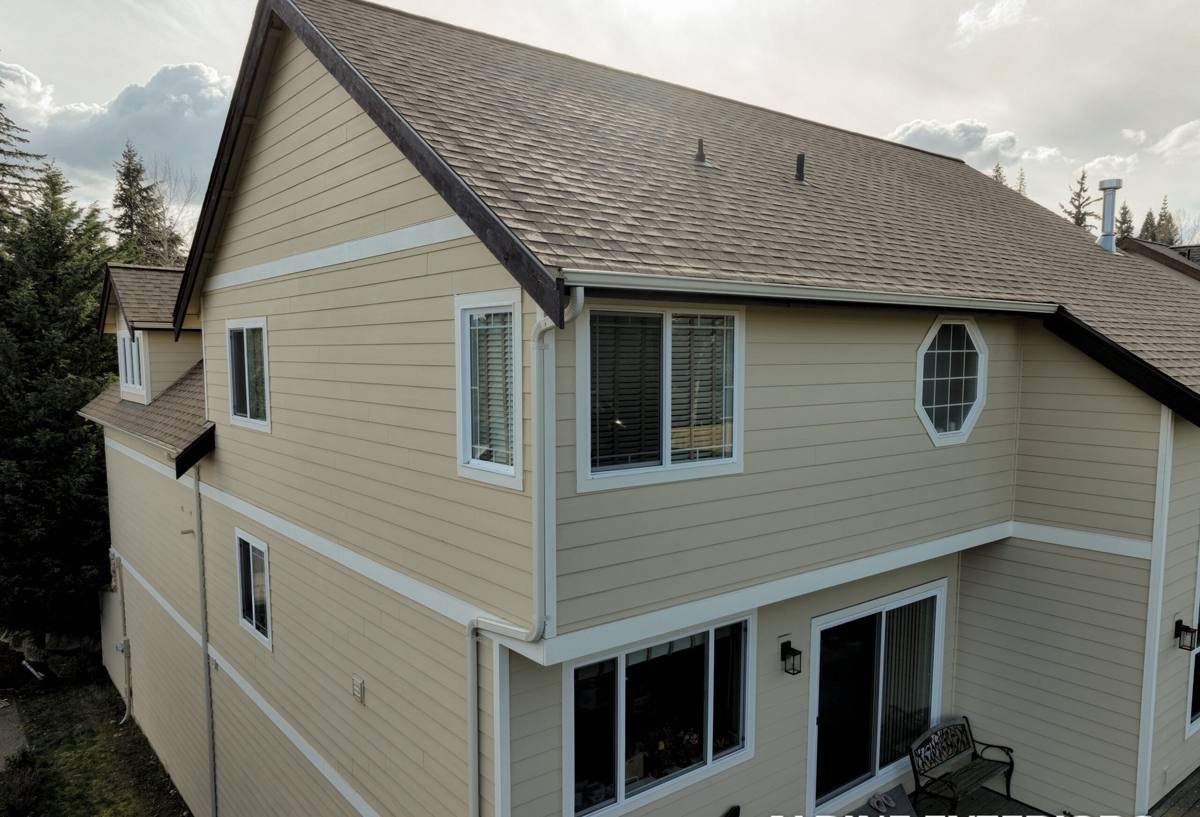
Recognizing Storm Damage Before It Becomes a Bigger Problem
After any significant wind event, it's worth having the roof looked at even if nothing seems obviously wrong. The damage that causes the most long-term trouble is usually the kind that isn't dramatic — a lifted shingle tab, a cracked pipe boot, a piece of flashing knocked a quarter-inch out of place. Left alone through a few more storms, small issues like these turn into deck rot, insulation damage, and interior repairs that cost far more than the roof work would have.
Signs worth taking seriously include shingles that look curled, cupped, or missing in patches; granules collecting in gutters or at downspout outlets; soft or spongy spots when walking the roof; loose or visibly bent flashing around chimneys, skylights, and vent stacks; and any new ceiling stains or musty smell in an attic or top-floor closet after a storm. None of these guarantee major damage, but all of them justify a closer look.
How We Approach a Siesta Key Storm Repair
We work the same repair in the same order every time, because skipping a step is how small storm damage turns into a bigger claim later.
1. Full Inspection, Not Just a Look From the Ladder
We check the roof surface, the flashing details, and the attic from the inside. Wind and water damage often shows up differently in each place, and a repair plan based only on what's visible from outside can miss the source of a leak entirely.
2. Stop Further Damage First
If a roof has active openings after a storm, temporary protection goes on before anything else — tarping exposed areas and securing loose material so wind and rain can't keep working their way in while a permanent repair is scheduled.
3. Document Everything
Clear photos and notes on the extent and likely cause of damage, taken before any repair work starts. This protects the homeowner if an insurance claim is involved and gives us an accurate record to build the repair scope from.
4. Repair to Match the Existing System — Correctly
Repairs are tied into the existing roofing system using materials and fastening patterns that meet current Florida Building Code wind provisions, not just whatever gets it watertight fastest. A repair that doesn't match the wind resistance of the surrounding roof is a weak point waiting for the next storm.
5. Final Walk-Through
Before we consider the job done, we walk the repair with the homeowner, confirm the work matches what was scoped, and go over anything else on the roof worth keeping an eye on.
Working Through Insurance on a Barrier Island Claim
Insurance on Siesta Key properties tends to be more particular than a typical mainland Sarasota policy — separate wind/hurricane deductibles are common on barrier island coverage, and adjusters look closely at whether damage was storm-caused or pre-existing wear. That's exactly why the documentation step above matters as much as the physical repair.
We can provide a written damage assessment with photos that clearly ties the damage to a specific storm event, and we're available to meet an adjuster on-site if that's useful. We don't handle the claim itself — that's between the homeowner and the insurance company — but we make sure the homeowner walks into that conversation with solid documentation instead of guesswork.
Materials and Workmanship Built for This Exposure
Given the salt air and UV load on Siesta Key, we default to corrosion-resistant fasteners and flashing rather than standard-grade hardware, and we use self-adhering underlayment at eaves, valleys, and other vulnerable transitions rather than relying on felt alone. Sealants and pipe boots get selected for UV stability, since standard rubber components can crack and shrink faster under this level of year-round sun than they would inland.
None of this is about any one product being bad — it's about matching material choices to the actual conditions a roof faces here. A fastener or sealant that performs fine in a milder climate can simply wear out faster a few hundred yards from open saltwater, and a repair built to that standard is a repair we'll likely be back out for within a couple of years.
Repair Scope: Matching the Fix to the Damage
Not every storm-damaged roof needs the same level of work. Part of an honest assessment is being clear about which category a given roof actually falls into.
| Repair Scope | Typical Situation | What's Involved |
|---|---|---|
| Localized Repair | Isolated wind or debris damage to a section of the roof, flashing, or a penetration point | Remove and replace damaged materials, re-flash affected area, tie in to match existing roof |
| Partial Section Replacement | Damage concentrated on one slope or side of the home, often the side facing prevailing wind | Strip and replace that section down to deck, inspect deck for water damage, install new underlayment and covering |
| Full Roof Replacement | Widespread damage, an aging roof near the end of its service life, or repeated storm hits over several seasons | Full tear-off, deck repair as needed, new underlayment and roofing system rated for current wind requirements |
We'll always recommend the smallest scope that genuinely solves the problem. Pushing a homeowner toward a full replacement when a targeted repair would hold up isn't good business, and pushing a patch onto a roof that's clearly failing isn't either.
What to Do in the First 48 Hours After Storm Damage
- Photograph visible damage from the ground and from inside the attic if it's safely accessible
- Note the date and the storm event, since insurance will ask for both
- Cover any active leak points from the inside with a tarp or plastic sheeting to limit interior damage
- Avoid walking on the roof yourself, especially if it's wet or you can see damaged sections
- Be cautious of contractors going door-to-door after a storm asking for payment upfront before any inspection
- Contact your insurance company to open a claim if the damage looks storm-related
- Get a professional inspection scheduled even if the damage looks minor
Why Hiring a Crew That Already Works Siesta Key Matters
Siesta Key comes with logistics that don't apply to a typical mainland job. Access to the island runs through bridges that back up with tourist and seasonal traffic, which affects how repair crews schedule material deliveries and plan a work day. Many properties sit on narrow lots with limited space for staging materials or parking equipment, and a number of homes are vacation rentals with tight turnover windows that a repair schedule has to work around rather than against.
A crew that regularly works this area already accounts for all of that — and already understands the specific wear patterns barrier island exposure causes, rather than treating every roof the same way it would treat one twenty minutes inland. That familiarity shows up in faster, more accurate assessments and repairs that are built for the conditions they'll actually face.
If you're dealing with storm damage on a Siesta Key roof, or just want a professional set of eyes on it after a rough weather stretch, we're happy to take a look. Estimates are free, there's no pressure to move forward, and you'll get a straight answer about what the roof actually needs — use the form below to get started.