 Sarasota Siding
 Why Southside Village Roofs Take a Different Kind of Beating
Southside Village sits close enough to Sarasota Bay that salt air is a daily fact of life, not an occasional nuisance. Combine that with the mature tree canopy that gives the neighborhood its character, intense year-round Florida UV, and the wind-driven rain that comes with every serious storm, and you've got a roofing environment that punishes shortcuts. A roof that would hold up fine forty miles inland can fail early here if it wasn't specified and installed with this exact combination of stressors in mind.
Metal roofing has become a popular answer for homeowners in this part of Sarasota County precisely because, done correctly, it handles salt exposure, wind uplift, and sun degradation better than most alternatives. The word "correctly" is doing a lot of work in that sentence, though — metal roofing is unforgiving of poor detailing in a way that shingles sometimes mask. This page walks through what that actually means for a Southside Village home.
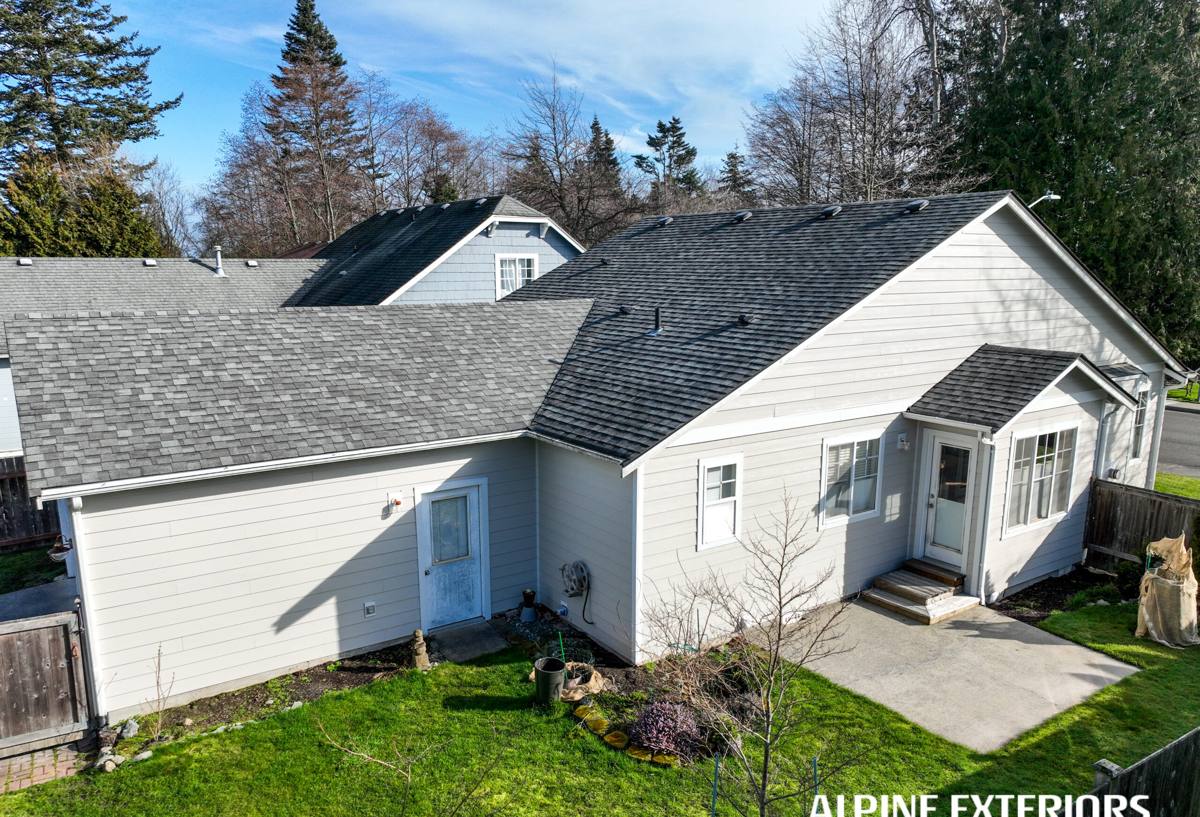
What Metal Roofing Brings to a Neighborhood Like This
Southside Village has a mix of older homes and updated properties, many on smaller lots with neighbors close by and tree limbs overhead. A few things make metal roofing a particularly good fit here:
- Wind performance: Properly fastened metal panels resist uplift far better than aging shingle roofs, which matters directly for hurricane-force wind events.
- Debris resistance: Falling branches and wind-blown debris from the tree canopy are more likely to dent a metal panel than punch through it, especially with a heavier-gauge product.
- UV stability: Quality painted or coated metal resists the chalking and granule loss that shingles suffer under constant Florida sun.
- Fire and ember resistance: A non-issue most years, but a real one during dry stretches.
- Long service life: A well-installed metal roof can outlast two or three shingle roof cycles, which matters on a re-roof decision where you're weighing upfront cost against how many times you'll be back on the roof over the next 30-40 years.
None of that is automatic. It's a function of the system chosen and how it's installed — which is where a lot of metal roofing jobs quietly go wrong.
Choosing the Right Metal Roofing System
Standing Seam vs. Exposed-Fastener Panels
Not all metal roofing is the same product wearing a different name. The two main categories homeowners choose between are standing seam and exposed-fastener (often called "5V" or corrugated) panels.
| Factor | Standing Seam | Exposed-Fastener |
|---|---|---|
| Fastener exposure | Concealed clips, no roof-surface penetrations | Screws through the panel face, gasketed |
| Typical lifespan | 40-60+ years with proper install | 25-40 years, fastener seals need periodic attention |
| Wind uplift performance | Generally higher when engineered for the application | Solid, but rated lower than most standing seam systems |
| Upfront cost | Higher | Lower |
| Maintenance | Minimal — no fasteners to re-seal | Fastener washers should be checked periodically as they age |
In a salt-air, storm-exposed area like Southside Village, standing seam is usually the better long-term investment because there are no exposed fasteners for salt corrosion or wind-driven rain to work on over time. Exposed-fastener panels are still a legitimate, budget-conscious option — they just come with a maintenance conversation attached that we'll walk you through honestly rather than gloss over.
Gauge, Coating, and Finish
Panel thickness (gauge) and coating quality matter as much as panel style. Thinner, lighter-gauge panels cost less but dent more easily under tree debris and hold up to wind flutter less predictably over decades. Coating systems vary in how well they resist the combination of UV and salt — we'll talk through the specific products available for your project and their real-world trade-offs rather than just quoting the cheapest option.
What a Correct Installation Actually Involves
The panels get the attention, but most metal roof failures we get called to inspect trace back to what's underneath or around them, not the metal itself.
Underlayment and Moisture Barrier
Metal roofs need a high-temperature-rated synthetic or self-adhered underlayment, not a basic felt product. Sarasota's roof deck temperatures under metal in July sun are no joke, and a cheap underlayment can degrade well before the panels above it do.
Fastening and Wind Uplift
Fastener spacing and clip attachment aren't guesswork — they're engineered to a wind rating appropriate for coastal Sarasota County exposure, tied to current Florida Building Code wind requirements for this region. Skipping the engineering step to save labor time is one of the most common corners cut in this trade.
Flashing and Penetrations
Every pipe boot, chimney, valley, and wall transition is a potential leak point. Metal roofing requires flashing details specific to the panel profile — reusing shingle-style flashing methods on a metal roof is a frequent source of early leaks.
Ventilation
Proper ridge and soffit ventilation keeps attic temperatures and moisture in check underneath the panels, which protects the deck and helps the whole assembly perform the way it's rated to.
Our Process, Start to Finish
Here's what working with us on a Southside Village metal roof actually looks like:
- On-site inspection and honest assessment — we look at your existing deck condition, roof geometry, tree exposure, and any problem areas before recommending anything.
- System recommendation with real trade-offs explained — standing seam vs. exposed-fastener, gauge, and coating options laid out plainly, with pricing for each.
- Permitting — pulled correctly through Sarasota County or the City of Sarasota as applicable, to current wind-load code.
- Deck prep — repair or replace any compromised decking before a single panel goes down; nothing gets covered up.
- Underlayment and flashing installation — done to the panel manufacturer's specifications, not shortcuts.
- Panel installation — fastened or clipped to the engineered spec for your exposure and wind zone.
- Final walkthrough and cleanup — magnetic sweep for stray fasteners, debris removed, and a clear explanation of any warranty paperwork.
What to Check Before You Hire Anyone for This Job
- Do they carry current Florida contractor licensing and insurance, and will they show you proof without being asked twice?
- Will they pull a proper permit, or suggest skipping it?
- Can they explain wind uplift ratings for your specific roof, not just recite a sales pitch?
- Do they specify underlayment and flashing details in writing, or leave it vague?
- Have they worked in Southside Village or comparable close-to-the-bay Sarasota neighborhoods before?
- Is the estimate itemized enough that you understand what you're actually paying for?
Cost Factors for a Southside Village Metal Roof
Every roof is different, but the main variables that move the price on a metal roofing project here are:
| Factor | Why It Matters |
|---|---|
| Panel type | Standing seam costs more upfront than exposed-fastener panels |
| Roof complexity | Valleys, dormers, and multiple roof planes add labor and flashing work |
| Deck condition | Rotted or undersized decking found during tear-off adds repair cost |
| Access and tree cover | Overhanging limbs near the roofline can require trimming or extra care during install |
| Gauge and coating grade | Heavier gauge and higher-grade coatings cost more but last longer in salt air |
| Tear-off vs. overlay | Removing an old roof entirely costs more than overlaying, but it lets us inspect and repair the deck |
We'll walk through which of these apply to your specific roof during the estimate, so the number you get isn't a generic square-footage guess.
Maintenance in a Salt-Air, Storm-Prone Environment
A well-installed metal roof in Southside Village is genuinely low-maintenance, but "low" isn't "zero." A couple of habits go a long way: keep gutters and valleys clear of leaf and pollen debris from the tree canopy so water moves off the roof the way it's designed to, and have the roof looked at after any major storm — not because metal fails easily, but because a five-minute check catches a loose fastener or lifted flashing before it becomes a leak. Salt residue rinses off with normal rain in most cases, but homes closer to the water sometimes benefit from an occasional freshwater rinse.
Why Local Experience in This Neighborhood Matters
Southside Village's mix of home ages, tight tree canopy, and proximity to the bay means a crew unfamiliar with the area is more likely to underestimate wind exposure or mishandle a flashing detail around an older roof structure. A crew that already works Sarasota and Sarasota County jobs knows the local permitting process, the current wind code requirements for this exposure category, and how to work carefully around mature trees and close-set neighboring properties without turning your project into a headache for the whole block.
If you're weighing metal roofing for your Southside Village home, we're happy to take a look and give you a straightforward, no-pressure estimate — no hard sell, just an honest read on what your roof actually needs. The form below gets you started.