 Sarasota Siding
 Why The Meadows Needs Siding Built for This Climate, Not Just Any Siding
The Meadows sits inland from the coast, which buys homes here a little distance from direct salt spray compared to barrier island properties — but it does not buy them protection from the rest of what Sarasota County throws at an exterior wall. Hurricane-force wind gusts, sideways-driving rain during summer storm season, and near-constant UV exposure all reach The Meadows just as surely as they reach downtown Sarasota or the keys. Add in the humidity that never really lets up, and you have a set of conditions that will find every weakness in a siding product within a handful of years, not decades.
We install James Hardie fiber cement siding exclusively. That is not a marketing angle — it is a standard we hold because we have seen what other siding materials do in this climate, and we do not want our name on a wall that is going to disappoint a homeowner five years after installation. This page is about what that means specifically for a James Hardie project in The Meadows.
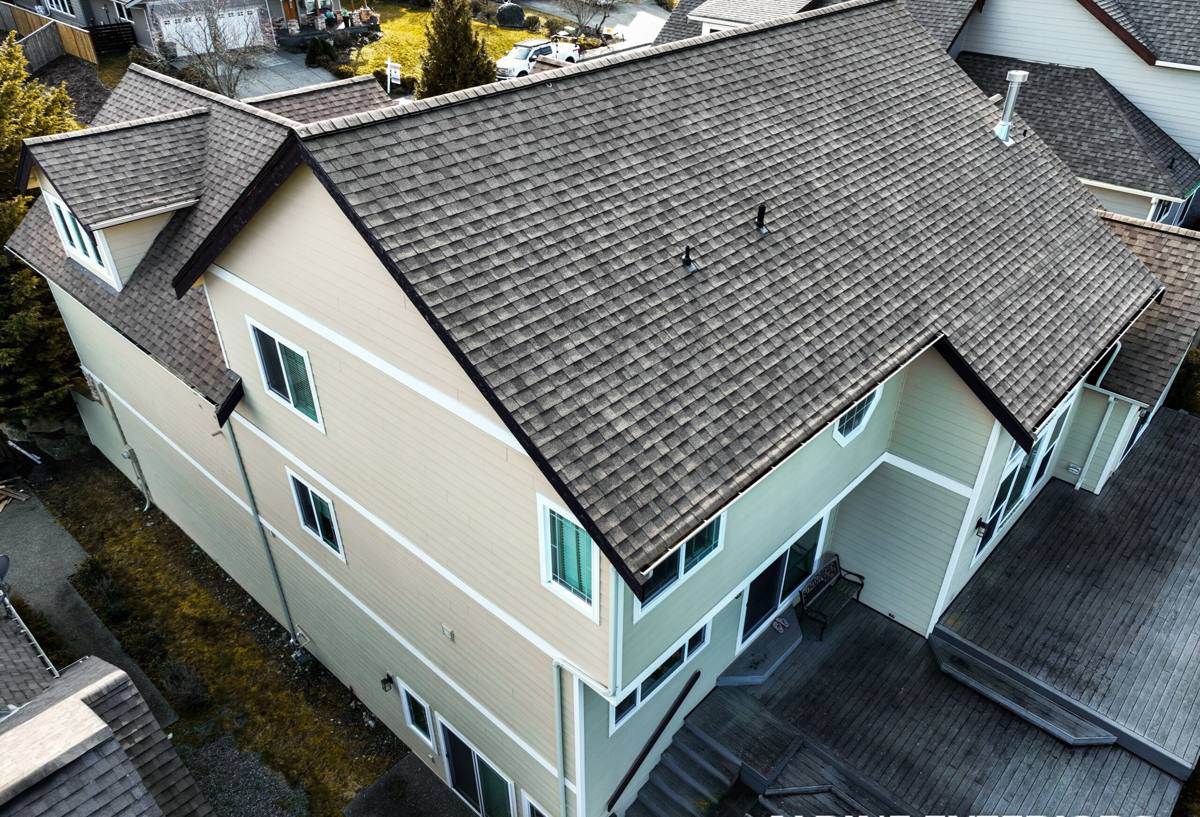
What Sarasota County's Climate Actually Does to Siding
Wind
Sarasota County sits in a wind-borne debris region under Florida's building code, and The Meadows is no exception. Siding here needs to be rated and fastened to hold through sustained tropical-storm and hurricane-force gusts, not just look good on a calm day. Panels that flex, warp, or were installed with the wrong fastening pattern are the ones that end up peeling off in a storm.
Wind-Driven Rain
During a tropical system, rain does not just fall — it gets pushed sideways into every seam, joint, and butt edge on a wall. Siding that isn't properly lapped, caulked, and flashed will let water behind it, and once water is behind the cladding, the sheathing and framing underneath are at risk regardless of how good the siding material itself is.
UV Exposure
Florida sun is intense and consistent nearly year-round. Paint and factory finishes that aren't engineered for this level of UV load will chalk, fade, and break down faster here than they would in a milder climate. This shows up first on south- and west-facing walls, which take the harshest afternoon sun.
Humidity and Moisture Cycling
Even without a hurricane in the forecast, Sarasota's humidity keeps moisture in play against exterior walls constantly. Materials that absorb water and hold it — or that swell and contract with humidity swings — are working against themselves every single day, not just during storm season.
Why James Hardie Is What We Put on Homes in The Meadows
James Hardie fiber cement is engineered from cement, sand, and cellulose fibers — it does not have the wood content that makes some siding products vulnerable to moisture absorption and rot, and it is non-combustible, which matters to both homeowners and insurers. For a climate like ours, a few specific things about the product matter more than the marketing copy:
- HZ5 engineered product line: James Hardie makes climate-specific formulations, and the HZ5 line is engineered for higher-humidity, harsher climate zones like Florida's Gulf Coast — it is not the same product sold in a dry inland climate.
- ColorPlus factory finish: a baked-on finish applied under controlled factory conditions holds color and resists UV fade far better than field-applied paint, which matters enormously under Florida sun.
- Dimensional stability: fiber cement does not expand and contract with humidity the way wood-based products do, which means fewer cracked seams and less paint failure at the joints over time.
- Non-combustible core: a real advantage for fire safety and, in many cases, for insurance considerations.
- Strong transferable warranty: James Hardie backs its products with a warranty structure that holds up when the work is installed to their published specifications — which is exactly why installation quality is not optional.
What Correct Installation Looks Like Here
James Hardie's performance in a hurricane-exposed climate depends entirely on whether the installation follows their published specifications. A lot of siding failures blamed on "the product" are actually installation failures. For The Meadows specifically, that means:
| Installation Element | Why It Matters in Sarasota County |
|---|---|
| Correct fastener type, spacing, and embedment | Under-fastened or wrong-fastener siding is what fails first in hurricane-force gusts |
| Proper weather-resistive barrier and flashing details | Stops wind-driven rain from reaching the sheathing at windows, doors, and penetrations |
| Correct panel gaps and caulking at joints | Fiber cement needs room to perform as designed — sealed wrong, joints crack or trap moisture |
| Minimum clearance from grade, roofline, and decking | Standing water and splash-back at low clearances drive premature moisture damage |
| Manufacturer-specified starter strips and trim | Improvised trim details are a common source of water intrusion behind the cladding |
None of this is exotic — it is simply following James Hardie's own installation manual to the letter, on every wall, every time. Skipping steps to save time is how a good product gets a bad reputation.
Our Process for a James Hardie Project in The Meadows
1. On-Site Assessment
We walk the exterior, check the current siding and sheathing condition, note problem areas (window and door flashing, roofline transitions, low-clearance sections), and talk through what we're seeing with the homeowner directly.
2. Product and Color Selection
We help homeowners choose the right James Hardie panel profile and ColorPlus color for their home, factoring in HOA or neighborhood aesthetic considerations where relevant, and sun exposure on different elevations.
3. Tear-Off and Substrate Check
Old siding comes off and we inspect the sheathing underneath for any moisture damage before anything new goes up. Any compromised sheathing gets addressed before siding — covering over a problem never fixes it.
4. Weather Barrier and Flashing
A proper weather-resistive barrier goes down first, with flashing detailed at every window, door, and penetration — this is the layer that actually keeps wind-driven rain out, and it's the layer most often rushed by crews unfamiliar with fiber cement.
5. Installation to Manufacturer Spec
Panels go up following James Hardie's fastening schedule, gap, and clearance requirements exactly, so the finished wall qualifies for the manufacturer's full warranty terms.
6. Final Walkthrough
We walk the completed job with the homeowner, point out the details we handled, and answer questions about care going forward.
Why It Matters to Hire a Crew That Already Works This Area
A siding crew that primarily works other climates can install James Hardie technically "fine" and still miss the details that matter specifically here — the flashing detail that handles wind-driven rain, the fastening pattern rated for our wind zone, the clearance detail that keeps humidity from doing slow damage over years. Local, repeated experience in Sarasota County conditions is what closes that gap. It's the difference between a crew that knows the manual and a crew that knows how this exact climate tests the manual.
What Homeowners in The Meadows Should Watch For
- Cracking, chalking, or fading paint on south- or west-facing walls — a sign the current finish isn't holding up to UV exposure
- Soft spots, staining, or bubbling near window and door trim — often a sign water is getting behind the cladding
- Visible gaps, warping, or buckling panels after a storm — a sign of under-fastening or wrong panel spacing
- Persistent mildew or discoloration low on the wall — can indicate poor clearance from grade or irrigation overspray sitting against the siding
- Caulk that has cracked or pulled away at panel joints — a maintenance item that, left alone, becomes a moisture entry point
Catching these early is far cheaper than waiting for a full replacement — but when replacement is the right call, it's worth doing once, correctly, with a product built for this climate.
Cost Factors Specific to a The Meadows Project
| Factor | How It Affects Your Project |
|---|---|
| Home size and wall complexity | More corners, gables, and trim details mean more labor and material |
| Current siding removal | Tear-off and disposal of existing material adds time versus a bare-wall install |
| Sheathing condition | Moisture-damaged sheathing found during tear-off needs repair before siding goes up |
| Panel profile and finish selection | Different James Hardie profiles and ColorPlus finishes carry different material costs |
| Trim and detail work | Windows, doors, soffits, and roofline transitions each add flashing and trim labor |
We provide a written estimate that breaks these factors out clearly rather than a single vague number, so homeowners know exactly what they're paying for.
If you're weighing a siding project for your home in The Meadows, we're happy to walk your property, look at what's there now, and give you an honest read on what James Hardie siding would involve — no pressure, no obligation. Use the form below to request a free estimate.