 Sarasota Siding
 Metal Roofing Built for University Park's Climate
University Park sits inland enough from the Gulf to avoid the worst of direct salt spray, but it still sits squarely in Sarasota County's hurricane belt, and it gets the same year-round UV load and wind-driven rain as every other neighborhood in the area. A roof here has to handle sustained high winds during storm season, months of intense sun the rest of the year, and heavy, sideways rain that finds any weak point in flashing or fastening. Metal roofing, installed correctly, handles all three better than most other roofing materials available to homeowners in this market — which is why we install a lot of it in this part of Sarasota.
This page is specifically about metal roofing for homes in University Park. It's not a generic overview of metal roofing everywhere — it's what this material needs to do here, what a correct installation actually involves, and how we approach these jobs in this community.
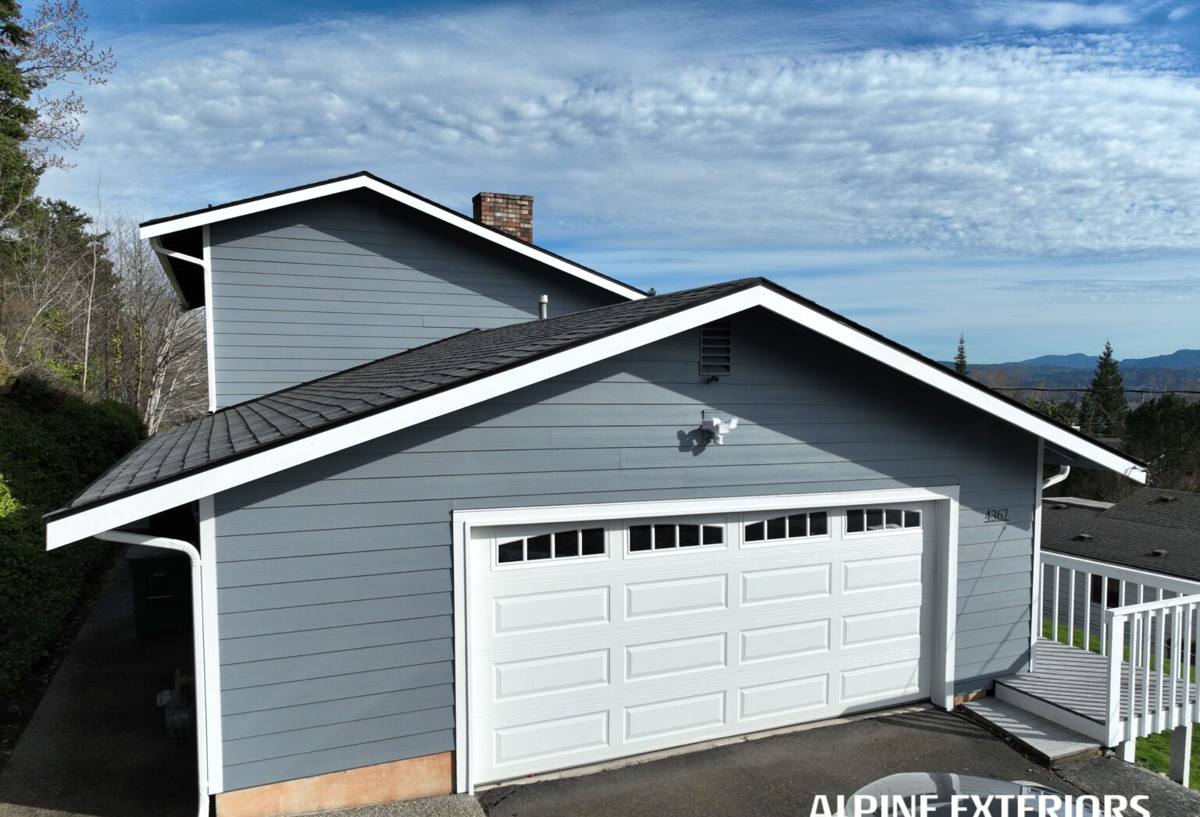
What Sarasota's Climate Does to a Roof Over Time
A roof in University Park is under stress essentially every day of the year, even when nothing dramatic is happening. Understanding that stress is the whole reason metal roofing specs matter as much as they do here.
Wind Uplift During Storm Season
Hurricane-force and near-hurricane winds put uplift pressure on a roof, especially at the edges, ridges, and corners where wind load concentrates. A metal roof's wind resistance comes almost entirely from how it's fastened and how the panels interlock — not from the metal itself. A panel system with the wrong fastening pattern, spaced too far apart or driven into the wrong substrate, can fail in wind long before the metal itself would ever be a problem.
UV Exposure and Heat Cycling
Florida sun is intense and constant, and a roof surface goes through daily heat-up and cool-down cycles that most other parts of a house never experience. Metal expands and contracts with temperature more than shingles do, which is exactly why panel systems need to be installed with proper clip and fastening allowances for movement. A roof installed without accounting for thermal movement will eventually show stress at the fasteners or seams, even if the metal panel itself is a good product.
Wind-Driven Rain
Florida storms rarely deliver rain straight down. Wind pushes it sideways and up under edges, around penetrations, and into any gap in flashing. Metal roofing sheds water extremely well on the open field of the roof — the real vulnerability is always at the details: valleys, chimney and vent penetrations, wall transitions, and eave edges. That's where the majority of leaks on any roof, metal or otherwise, actually originate.
Metal Roofing Systems We Install
Not all metal roofing is the same product wearing different colors. The panel profile, gauge, and fastening method all affect how a roof performs in coastal Southwest Florida conditions. We walk homeowners through the real tradeoffs rather than pushing one option.
| System | How It's Fastened | Best Fit | Tradeoffs |
|---|---|---|---|
| Standing seam | Concealed clips, no exposed fasteners on the field | Homeowners who want the longest low-maintenance lifespan and the strongest wind performance | Higher upfront cost than exposed-fastener panel |
| Exposed-fastener panel | Screws driven directly through the panel into the substrate | Budget-conscious projects, outbuildings, or shorter-term ownership plans | Fastener washers age and need periodic inspection/replacement over the roof's life |
| Metal shingle/shake profile | Interlocking panels resembling shingle or tile | Homeowners who want a metal roof's durability with a more traditional look | More seams and detail work than standing seam; installation quality matters even more |
For most University Park homes, we recommend standing seam because of the wind performance and the fact that there are no exposed fasteners to age, back out, or need re-sealing over time. That said, exposed-fastener systems are a legitimate, lower-cost option when they're installed to spec, and we'll give you an honest read on which makes sense for your roof and your budget rather than steering everyone toward the most expensive system by default.
What a Correct Metal Roof Installation Actually Involves
The panels get most of the attention, but a metal roof is really a system, and every layer under the visible metal matters as much as the metal itself.
- Deck inspection and repair — any soft, rotted, or delaminated decking gets replaced before anything goes on top of it, not covered up.
- Underlayment — a high-temperature-rated synthetic or self-adhering underlayment suited to metal roofing, not a generic felt product that wasn't designed for the heat a metal roof surface generates.
- Fastening pattern — clip spacing (standing seam) or screw spacing and torque (exposed fastener) matched to the wind exposure of your specific roof, not a one-size-fits-all pattern.
- Flashing at every penetration — vents, chimneys, skylights, and wall transitions get properly formed and sealed metal flashing, not just caulk or sealant tape.
- Edge and ridge detailing — drip edges, ridge caps, and eave treatments built to shed wind-driven rain rather than just deflect straight-down rain.
- Ventilation — proper ridge and soffit ventilation so the attic isn't trapping heat and moisture under the new roof.
Skipping or shortcutting any one of these is how a metal roof made from a good product still ends up leaking or underperforming its warranty. The metal is rarely the point of failure — the installation details almost always are.
Our Process for University Park Projects
We keep the process straightforward and communicate clearly at each stage, since a roof replacement is disruptive enough without added uncertainty.
1. On-Site Inspection and Assessment
We look at your existing roof, deck condition, ventilation, and any problem areas before recommending a system or giving a number. This isn't a drive-by estimate — we get on the roof.
2. Written Scope and Options
You get a clear, itemized scope showing what system we're recommending and why, what the underlayment and flashing plan looks like, and what it costs — no vague "roofing package" line items.
3. Tear-Off and Deck Prep
In almost all cases we remove the existing roofing down to the deck rather than installing over it, so we can actually inspect and repair the deck and start the new system on a solid, dry substrate.
4. Installation
Underlayment, flashing, and panels go on in sequence with attention to the fastening spec for your wind exposure. We don't rush penetration and edge details to hit a schedule.
5. Final Walkthrough and Cleanup
We walk the finished roof with you, confirm everything matches the agreed scope, and make sure the property — including magnetic sweep for stray fasteners — is left clean.
HOA and Permitting Considerations in University Park
Many communities in and around University Park have deed restrictions or architectural review processes that apply to roofing material, color, and profile — this is common in planned communities across Sarasota County, and it's worth checking your community's guidelines before you fall in love with a specific color or panel style. Beyond any HOA process, roofing work in Sarasota County requires a permit and inspection, and wind-rated installations need to meet current Florida Building Code requirements for this wind zone. We handle the permitting and code compliance side of the job as part of the project, but if your community requires separate architectural approval, that's a step you'll want to start early since it can add time to the front end of a project timeline.
Maintenance That Actually Extends the Life of a Coastal Metal Roof
Metal roofing is genuinely low-maintenance compared to shingles, but "low-maintenance" isn't "no-maintenance," especially in a climate that cycles between intense heat, heavy rain, and periodic high wind.
- Have gutters and downspouts checked and cleared at least once a year so water isn't backing up under eave edges.
- After any significant storm, do a visual check (or have one done) for lifted panels, dented flashing, or debris impact damage.
- On exposed-fastener systems, have fastener washers inspected periodically — they're the one component on that system with a shorter service life than the panels.
- Keep an eye on sealant at penetrations and re-seal proactively rather than after a leak shows up inside.
- Trim back overhanging branches that can scrape the finish or drop debris into valleys.
What Metal Roofing Costs to Install in University Park
Costs vary by roof size, pitch, complexity (number of penetrations, valleys, and transitions), and which system you choose. As a general guide, exposed-fastener panel systems run less per square than standing seam, while standing seam costs more upfront but typically requires less long-term maintenance and carries stronger wind performance. Metal shingle/shake profiles usually fall between the two, depending on complexity. Rather than quote a number that won't mean much without seeing your actual roof, we give every homeowner a specific written estimate based on their roof's size and condition — that's the only way to give you a figure you can actually plan around.
Why Hire a Crew That Already Works in University Park
A roofing crew that's worked in University Park and the surrounding Sarasota area understands the wind exposure this specific area sees, knows the local permitting process with Sarasota County, and has likely already dealt with the HOA or architectural review process your community may require. That familiarity translates directly into fewer surprises during the project — permit delays, material color approvals, and code questions get handled up front instead of becoming holdups halfway through the job. It also means the crew on your roof isn't learning Sarasota's wind code and inspection process for the first time on your house.
If you're weighing metal roofing for a home in University Park, we're happy to come take a look and give you a straightforward, written estimate — no pressure, and no sales pitch attached to it. Use the form below to get started.