 Sarasota Siding
 Window Installation Built for Venice's Coastal Conditions
Venice sits in southern Sarasota County, close enough to the Gulf that salt air, wind-driven rain, and hurricane-force gusts are a regular part of what a home's exterior has to handle. Windows take more abuse here than almost any other component of the house. They're the weak point in a wall system if they're installed poorly, and they're one of the most effective upgrades a homeowner can make if they're installed right. This page covers what correct window installation actually involves for a Venice home, what the Florida Building Code requires in this part of the state, and why the installation itself — not just the window you buy — is what determines whether it holds up.
A lot of window problems we get called out to inspect aren't product failures. They're installation failures: gaps in flashing, inconsistent fastener schedules, sealant applied over dirty or wet substrate, or a window that was never properly shimmed and squared before it was fastened. In a climate that throws wind-driven rain at a house sideways several times a year, those shortcuts show up fast — as leaks, fogged glass, soft drywall, or a window that won't latch tight anymore.
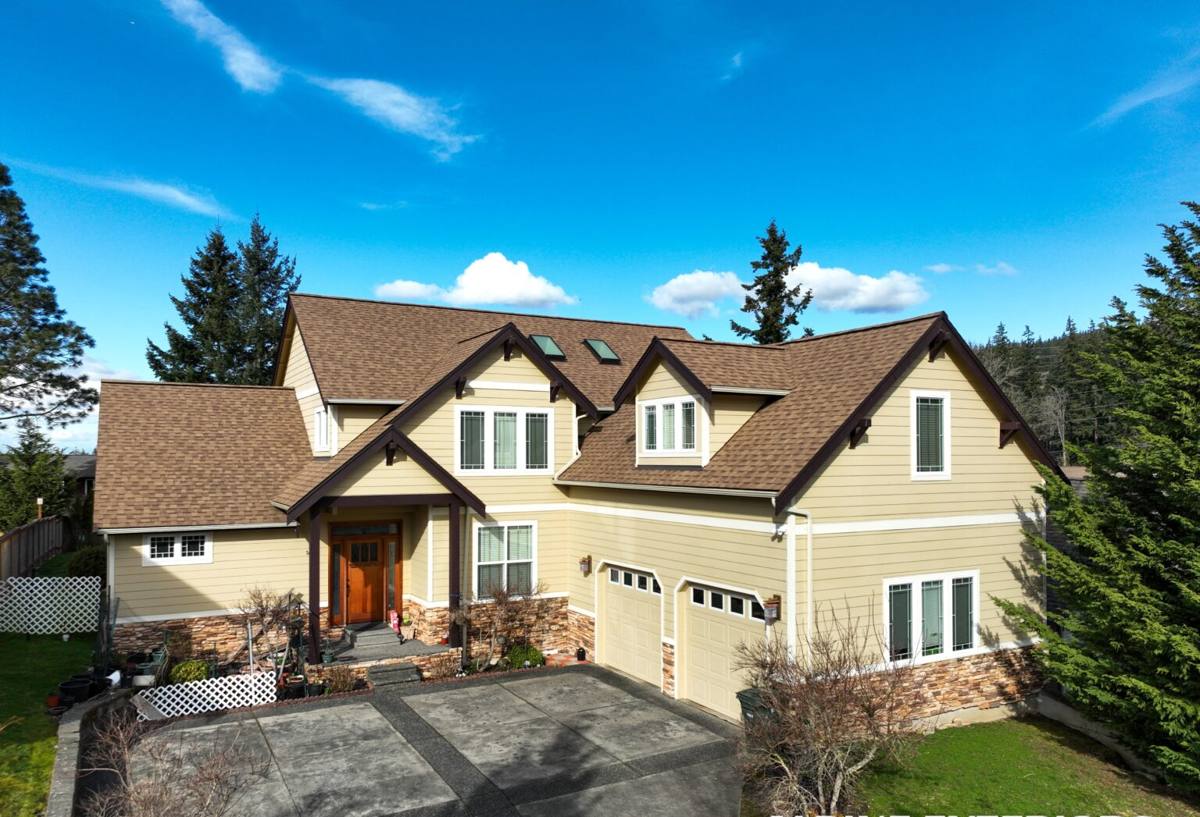
What Venice Homes Need From Their Windows
Every part of a window installation in this area has to account for four things working against it at the same time:
- Wind load — sustained hurricane-force winds and the pressure cycling that comes with tropical storms and hurricanes moving through the Gulf
- Wind-driven rain — water doesn't just fall here, it's pushed sideways and upward against the building envelope during storms
- UV exposure — near-constant, intense sun year-round that degrades seals, frames, and glazing compounds faster than in northern climates
- Salt air — airborne salt that accelerates corrosion on fasteners, hardware, and lesser-grade metal components
A window rated for a colder, drier climate — or one installed using techniques that would be fine in a low-wind inland market — is a liability here. The frame material, the glazing, the fasteners, and the sealant all need to be chosen and installed with those four stressors in mind, not just the sticker price.
Why "Impact-Rated" Isn't a Marketing Term Here
In Sarasota County, impact-rated windows are built and tested to stay intact when struck by wind-borne debris and to resist the pressure cycling of a hurricane without losing their seal. That's not an upsell — for most homes in this area, it's the baseline for what the building code requires or what insurance underwriters expect to see. We'll walk through the actual code requirements below, but the short version is: what looks like a window at a big-box store and what's rated for installation in coastal Sarasota County are often two different products entirely.
Florida Building Code and Permitting for Window Replacement
Window replacement in Venice isn't a swap-it-yourself weekend project from a code standpoint — it's a permitted job. Sarasota County and the local building department require a permit for window replacement, and the windows themselves need a Florida Product Approval or Miami-Dade Notice of Acceptance (NOA) number showing they've been tested for the wind and pressure loads required in this zone. That approval covers the window itself, but it doesn't cover the installation — the installer still has to follow the manufacturer's approved installation instructions exactly, because that's what the product approval is actually tied to.
A few things worth knowing as a homeowner going into a window project here:
- The wind pressure rating your windows need depends on your home's exact location, height, exposure, and roof geometry — not a flat countywide number
- Permits typically require an inspection before the work is closed up and again after completion
- Keep your product approval documentation and final inspection paperwork — insurance companies and future buyers will ask for it
- Skipping the permit to save time or money can create real problems at resale, insurance renewal, or claim time
We pull permits, and we install to the manufacturer's approved installation instructions for the specific product and pressure rating your home requires — not a generic method applied everywhere.
What Correct Window Installation Actually Involves
The window itself matters, but installation quality is what determines whether that window performs for fifteen or twenty-five years. A correct installation includes:
- Opening preparation — removing the old unit, inspecting the rough opening and surrounding framing and sheathing for rot, water damage, or prior improper flashing, and repairing anything compromised before a new window goes in
- Flashing and water management — installing sill pan flashing and integrating it correctly with the wall's weather-resistive barrier so any water that gets past the window sheds outward, not into the wall cavity
- Shimming and squaring — setting the unit plumb, level, and square in the opening so it operates correctly and the frame isn't under stress that will crack seals or sealant over time
- Fastening to spec — using the fastener type, size, and spacing schedule the product approval requires, not a generalized pattern
- Sealing — applying sealant to a clean, dry substrate at both the exterior and interior, matched to the frame material
- Interior and exterior finish — trim, stucco or siding tie-in, and interior finish work restored cleanly around the new unit
Skip any one of those steps and you can end up with a window that's technically "impact-rated" but leaks at the first wind-driven storm, because the failure point was never the glass — it was the gap in the installation.
Comparing Window Options for a Venice Home
There's no single "right" window for every house — the right choice depends on your budget, your home's exposure, and how much long-term maintenance you want to take on. Here's how the common paths compare:
| Option | Storm Protection | Maintenance | Typical Cost Position |
|---|---|---|---|
| Impact-rated windows (laminated glass, no separate shutters needed) | Built into the window — permanently in place, no action needed before a storm | Low — no shutters to store, deploy, or maintain | Higher upfront, often lower lifetime cost |
| Standard (non-impact) windows + separate storm shutters | Good, but only if shutters are deployed every time — human error is the risk | Moderate to high — shutters need storage, maintenance, and someone home to install them | Lower upfront, added shutter cost and labor over time |
| Standard windows, no shutter system | Minimal — relies on plywood or last-minute protection | Low until a storm approaches, then high scramble cost | Lowest upfront, highest storm-damage risk |
Most homeowners in this area land on impact-rated windows for main living areas and street-facing elevations, sometimes pairing that with shutters on secondary openings to manage cost. We'll walk through what makes sense for your specific home and budget rather than pushing one answer for every house.
Frame Material Trade-Offs
Vinyl, aluminum, and fiberglass frames all show up in this market, and each has honest trade-offs in a salt-air, high-UV climate. Aluminum handles wind load well but needs quality hardware and finishes to resist corrosion near the coast. Vinyl resists corrosion entirely but can expand and contract more with Florida's heat swings if it's a lower-grade product. We'll talk through what fits your home's exposure and your maintenance preferences rather than defaulting to whatever's easiest to install.
Our Window Installation Process
When we take on a window project in Venice, the process looks like this:
- On-site assessment of your current windows, openings, and any water intrusion or framing issues already present
- Discussion of wind pressure requirements for your specific home and the product options that meet them
- A written estimate that spells out the product, the installation scope, and the timeline
- Permit pulled with Sarasota County before any work begins
- Removal, opening prep, flashing, and installation to manufacturer specification
- Final inspection and walkthrough with you before we consider the job done
We don't skip the permit step, and we don't shortcut flashing or fastening to move faster. Those are exactly the steps that determine whether the window is still performing correctly five hurricane seasons from now.
Signs Your Venice Home's Windows Need Attention
Windows rarely fail all at once — there are usually warning signs first. Worth a look if you're seeing:
- Fogging or moisture between panes of double-pane glass (a sign the seal has failed)
- Windows that are difficult to open, close, or latch fully
- Visible daylight or airflow around the frame when the window is closed
- Soft or discolored drywall, trim, or wall area near a window
- Chalky, pitted, or corroded frame surfaces, especially on aluminum units
- Noticeably higher cooling bills without another explanation
- Windows without a visible impact rating or product approval label, especially if you're not sure of their age
Any one of these on its own isn't necessarily an emergency, but several together — or any sign of active water intrusion — are worth having assessed before the next storm season.
Why Hiring a Crew That Already Works in Venice Matters
A crew that regularly works Venice and the rest of Sarasota County already knows the local permitting process, the wind pressure requirements for this exposure, and what actually holds up against a Gulf-adjacent climate versus what just looks good in a showroom. That familiarity shows up in fewer surprises during permitting, fewer callbacks for sealant or flashing issues, and a straighter answer up front about what your home actually needs versus what's easiest to sell.
It also matters after the sale. Salt air and UV don't stop working on a window the day it's installed, and a crew that's local and easy to reach is the one you actually call if something needs a look five years down the road — not a name from an out-of-town flyer.
Maintaining New Windows in a Coastal Climate
Even a correctly installed, properly rated window benefits from basic upkeep in this environment:
- Rinse frames and tracks periodically to clear salt residue, especially on homes closer to the water
- Inspect exterior sealant annually and have any cracked or separated sealant addressed before it lets water in
- Keep weep holes clear so water drains out of the frame system instead of pooling
- Have hardware (locks, hinges, rollers) checked periodically, since corrosion here moves faster than in drier climates
None of this is complicated, but skipping it is how a well-installed window ends up with an avoidable problem a decade in.
If your Venice home's windows are aging, underperforming, or you're planning ahead for the next storm season, we're glad to take a look and give you a straight assessment — no pressure, no pushy upsell. Use the form below to request a free estimate.